
Shaving does more to your skin than most people realize. Every time you drag a razor across your face, you create thousands of tiny micro-cuts you can’t even see. Add in the loss of your skin’s natural oils, and you’ve got a recipe for redness, dryness, and irritation.
The good news? A few smart steps after every shave can completely change how your skin feels and looks. This guide breaks down exactly what to do, in what order, and why it works — so you can build a post-shave routine that actually protects your skin instead of punishing it.
Why Your Skin Needs Extra Care After Shaving
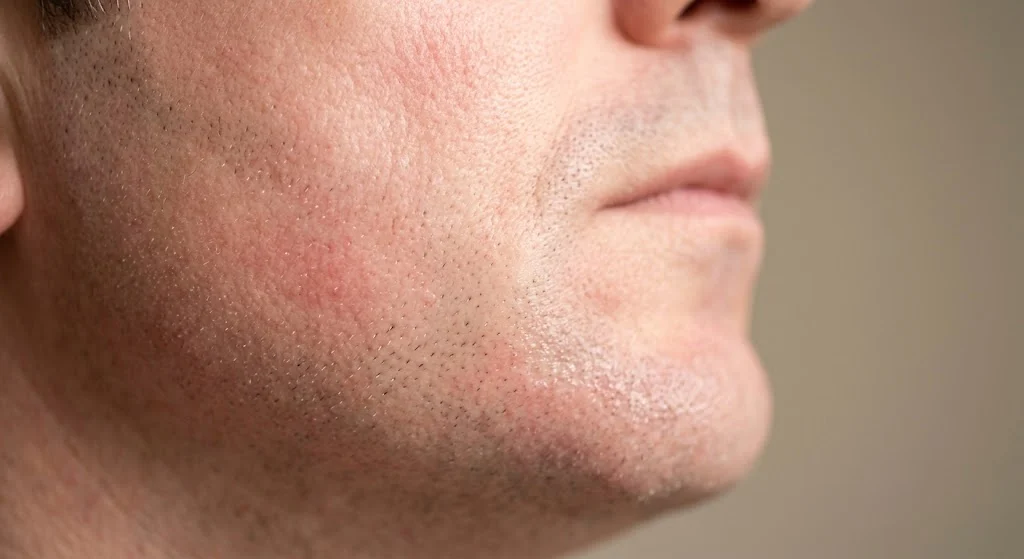
Think of your skin’s outer layer as a shield. That shield, called the lipid barrier, keeps moisture in and irritants out. Shaving strips away part of this barrier along with your facial hair.
Once that barrier is weakened, your skin loses water fast. This is why your face can feel tight, dry, or irritated right after you shave. Left untreated, this damage opens the door to:
- Bacterial infections from tiny open cuts
- Inflammation and visible redness
- Clogged pores that lead to razor bumps and ingrown hairs
Splashing on cold water isn’t enough to fix this. Your skin needs real support to heal properly.
Skip the Alcohol-Based Toners
A lot of guys reach for a stinging, alcohol-heavy toner right after shaving because that burning feeling seems like a sign of “clean” skin. It’s actually the opposite.
That sting means your skin is losing moisture fast and reacting to stress, not getting cleaner. Alcohol-based products dry out your skin even more, which only makes redness and irritation worse. Skip them completely, especially right after a shave.
Step 1: Choose Chemical Exfoliation Over Scrubbing
Freshly shaved skin is sensitive, inflamed, and easily irritated. This is the worst possible time to use a rough physical scrub. Scrubbing right after shaving will only increase redness and can reopen tiny cuts.
Instead, reach for a gentle chemical exfoliant, like a serum with salicylic acid (a type of beta hydroxy acid, or BHA). Salicylic acid works differently than a scrub — it dissolves oil and dead skin cells inside the pore instead of scraping the surface.
This matters because clogged pores are the main cause of razor bumps and ingrown hairs. When a pore stays clear, new hair can grow straight out instead of curling back into the skin.
Your after-shave routine should look like this:
- Rinse your face with lukewarm water to remove leftover shaving cream or debris.
- Apply a liquid chemical exfoliant in a thin, even layer and let it fully dry.
- Seal everything in with a fragrance-free, ceramide-based moisturizer.
Keeping these three steps simple makes them easy to stick to every single day.
Step 2: Lock In Moisture to Speed Up Healing
Exfoliating keeps your pores clear, but moisturizing is what actually repairs your skin. After shaving, your skin needs help holding on to water before it evaporates.
Dermatologists consistently recommend fragrance-free moisturizers after shaving. Fragrance is one of the most common triggers for allergic reactions on sensitive, freshly shaved skin. When your barrier is already weakened, added scent chemicals can easily cause stinging, redness, or breakouts.
Skipping moisturizer entirely leaves your skin defenseless against everyday irritants like:
- Wind and cold air
- Pollution and dust
- Friction from tight collars or rough fabric
That last one matters more than people think. Constant rubbing against your collar can trigger extra melanin production, which shows up later as dark spots on the jawline and neck.
Look for Niacinamide
A moisturizer with niacinamide is one of the best choices for post-shave skin. This ingredient calms redness, strengthens your skin barrier, and helps fade dark spots caused by irritation over time.
Here’s the simple truth: skin that stays hydrated doesn’t develop the chronic bumps and irritation that dry, stripped skin does. You don’t need a ten-step routine or expensive products. You need consistency. Two minutes a day, done the right way, changes how your skin handles a blade over time.
Step 3: Don’t Stop Caring for Your Skin on Rest Days
Your skincare routine shouldn’t take a break just because your razor does. The days between shaves are just as important for skin health.
Even if you’re growing out some stubble, keep cleansing and moisturizing every morning. This keeps your skin balanced and actually makes your next shave smoother, because well-hydrated hair is softer and easier to cut cleanly.
On your non-shaving days, try this:
- Cleanse gently every morning to remove sweat, oil, and dirt buildup
- Exfoliate lightly two to three times a week to prevent dead skin from clogging future hair growth
- Moisturize daily to keep your barrier strong and ready for the next shave
Skipping this step is one of the biggest reasons guys get stuck in a cycle of bumps and irritation every time they pick the razor back up.
Quick Recap: Your Post-Shave Skin Checklist
| Step | What to Do | Why It Matters |
|---|---|---|
| 1 | Rinse with lukewarm water | Removes debris without stripping skin further |
| 2 | Apply a salicylic acid exfoliant | Clears pores and prevents ingrown hairs |
| 3 | Moisturize with a fragrance-free, ceramide cream | Repairs the barrier and locks in hydration |
| 4 | Choose niacinamide-based products | Reduces redness and dark spots |
| 5 | Keep the routine going on rest days | Prevents buildup and smooths future shaves |
Final Thoughts
A great post-shave routine isn’t complicated. It comes down to three things: clear pores, locked-in moisture, and daily consistency. Skip the harsh alcohol toners, ditch the physical scrubs, and give your skin the gentle, targeted care it actually needs.
Stick with these steps every day, whether you’re shaving or letting your stubble grow, and you’ll notice fewer bumps, less redness, and smoother skin within just a couple of weeks.
More grooming and skincare guides like this are available on faminaz.com.