
Your bathroom shelf tells a story, and lately, it might be speaking Korean.
Over the past decade, Korean beauty — better known as K-beauty — has quietly taken over the global skincare world. Walk into any drugstore, browse any beauty retailer online, or scroll through skincare communities on Reddit, and you’ll find Korean products front and center. Sheet masks, glass-skin serums, snail mucin creams — they’re everywhere.
But the big question remains: is Korean skincare actually better?
The honest answer isn’t a simple yes or no. It depends on what your skin needs, how consistent you’re willing to be, and what you value in a skincare routine. In this article, we’ll break it all down — what makes K-beauty stand out, how it compares to American and Japanese skincare, what real users say, and whether it’s worth adding to your routine.
What Makes Korean Skincare Different?
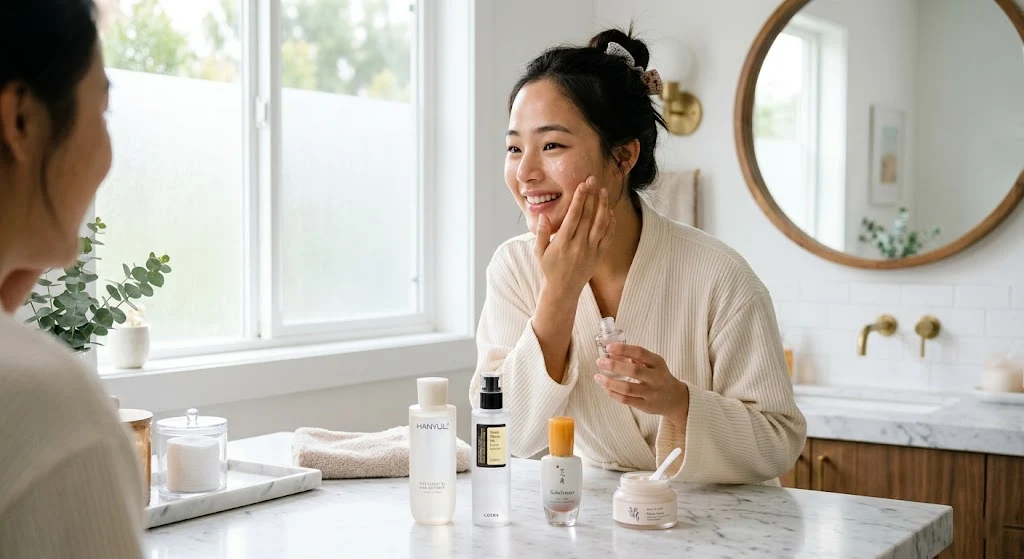
At its core, Korean skincare is built around one central idea: prevention over correction.
Rather than waiting for skin problems to show up and then treating them aggressively, K-beauty focuses on keeping your skin healthy, hydrated, and balanced every single day. The goal is to stop issues before they start.
This philosophy shows up in three key ways:
The layering system. Instead of slapping on one heavy cream and calling it a day, Korean skincare uses multiple lightweight products — each designed for a specific purpose. A hydrating toner preps the skin. An essence boosts absorption. A serum targets specific concerns. A moisturizer seals everything in. The layers build on each other without weighing your skin down.
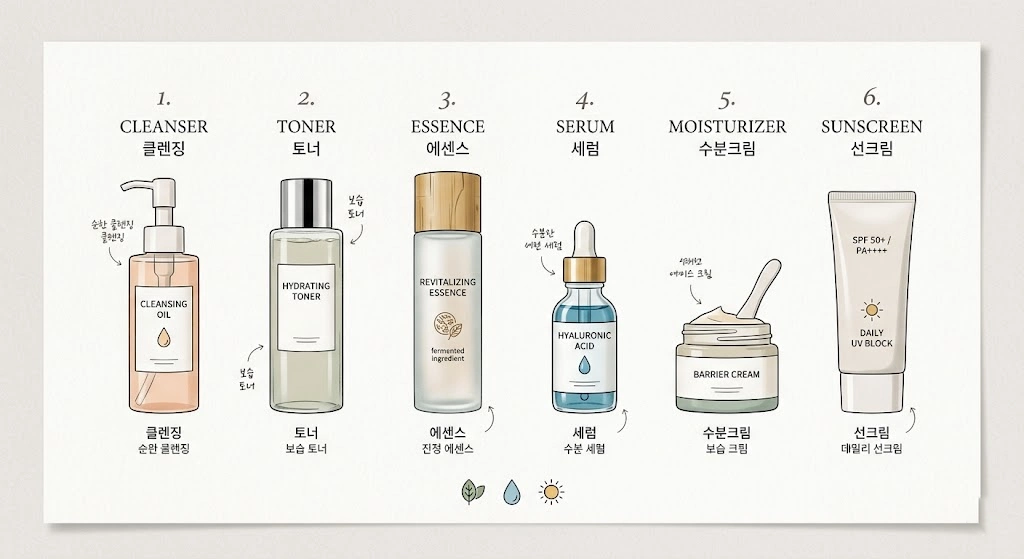
Gentle, skin-friendly ingredients. Korean products are famous for using ingredients that work with your skin rather than against it. Fermented extracts, plant-based compounds, and moisture-binding agents tend to be the stars of the show — not harsh acids or aggressive retinoids used at high concentrations.
Affordability without compromise. One of K-beauty’s most striking features is that high-quality products don’t have to cost a fortune. Many beloved Korean skincare staples are priced under $20, making it genuinely accessible for most budgets.
Key Ingredients in Korean Skincare (And Why They Work)
One of the biggest reasons K-beauty has earned so much trust is its ingredient list. Korean brands have a knack for sourcing unusual, effective ingredients and formulating them in ways that feel pleasant to use.
Here are the heavy hitters:
Snail Mucin — Sounds strange, works brilliantly. Snail secretion filtrate is packed with glycoproteins, hyaluronic acid, and zinc, all of which help repair damaged skin, fade acne scars, and improve elasticity. The texture is lightweight and non-greasy, making it suitable for almost every skin type.
Centella Asiatica (Cica) — This plant extract has become a staple in Korean skincare for a good reason. It soothes redness, calms inflammation, and supports the skin’s natural healing process. If you have sensitive, acne-prone, or reactive skin, cica-based products are worth exploring.
Ginseng — Long used in traditional Korean medicine, ginseng brings its antioxidant and circulation-boosting benefits to skincare. It helps brighten dull complexions, improve firmness, and give skin a refreshed, energized look.
Rice Extract — A classic ingredient in East Asian beauty traditions, rice extract is rich in vitamins and amino acids. It gently brightens uneven skin tone, smooths texture, and has mild antioxidant properties.
Propolis and Honey — Both are natural antibacterial agents that also deeply moisturize. Propolis, collected by bees from tree bark and leaves, is especially popular in serums and essences for its ability to calm blemishes while nourishing the skin barrier.
Fermented Ingredients — Fermentation is a signature of K-beauty science. Fermented rice water, fermented soybean extract, and similar ingredients have smaller molecular structures that penetrate the skin more deeply than their unfermented counterparts, delivering nutrients more efficiently.
The Benefits of a Korean Skincare Routine
People who stick with K-beauty routines tend to notice a pattern: gradual but meaningful improvements. This isn’t about instant transformations — it’s about building healthier skin over time.
Here’s what consistent Korean skincare can deliver:
- Lasting hydration. Layering lightweight, water-based products keeps skin moisturized throughout the day without the greasy feeling you get from heavy creams.
- A stronger skin barrier. Many Korean products are specifically formulated to reinforce the skin’s outer protective layer, which means less sensitivity, less redness, and better resilience against environmental stress.
- Gentler on sensitive skin. Because K-beauty leans toward mild, nourishing ingredients rather than high-concentration actives, it tends to be well-tolerated by people who react badly to stronger Western formulations.
- Prevention of future problems. When you keep your skin hydrated and balanced consistently, you’re less likely to deal with breakouts, flakiness, and dullness down the line.
- A slow burn toward radiance. The “glass skin” or “dewy glow” look that K-beauty is famous for doesn’t happen overnight. But with regular use over several weeks or months, many people notice smoother texture, more even tone, and a natural luminosity.
Korean vs. American vs. Japanese Skincare: How Do They Compare?
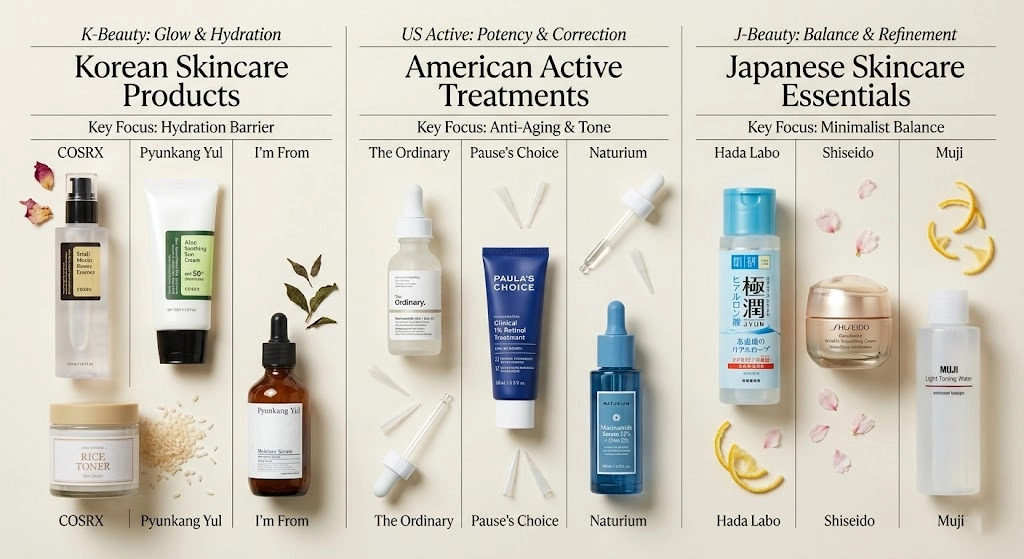
Korean skincare doesn’t exist in a vacuum. It’s worth understanding how it stacks up against its two biggest competitors.
| Feature | American Skincare | Korean Skincare | Japanese Skincare |
|---|---|---|---|
| Core Focus | Fast results for specific problems | Hydration and barrier health | Prevention and long-term balance |
| Philosophy | Targeted, science-driven | Multi-step, preventative ritual | Minimalist, refined simplicity |
| Routine Length | 3–5 steps | 7–10+ steps | 3–4 steps |
| Star Ingredients | Retinol, vitamin C, AHAs/BHAs | Snail mucin, fermented extracts, hyaluronic acid | Rice bran, green tea, camellia oil |
| Results Timeline | Quicker but can be harsh | Gradual and gentle | Steady and balanced |
| Typical Price Range | $50–$100+ per product | Under $20 for most products | Moderate, mid-range |
| Best For | Severe concerns (deep wrinkles, hyperpigmentation) | Sensitive skin, hydration, glow | Simple, low-maintenance routines |
American skincare tends to lead with powerful active ingredients at concentrations that produce visible change fast. This works well for targeting stubborn concerns like deep wrinkles or significant hyperpigmentation, but it can also be irritating — especially for sensitive or compromised skin.
Korean skincare takes the slow road. It’s less about dramatic interventions and more about consistent nourishment. The results are subtler at first but tend to create lasting improvements in skin quality, especially in texture and hydration.
Japanese skincare (J-beauty) sits somewhere in between. It shares K-beauty’s emphasis on long-term skin health but leans toward simpler routines and refined formulations. J-beauty is often described as “quiet luxury” — effective, elegant, and understated.
None of these is universally better. Your best skincare system is the one that matches your skin type, your lifestyle, and your goals.
What Real People Say About Korean Skincare
User feedback on K-beauty tends to fall into two camps: enthusiastic converts and cautious skeptics. Both have valid points.
On the positive side, people with sensitive skin or conditions like rosacea frequently report that switching to Korean products helped calm their skin and improve their barrier health. The gentler ingredient profiles make a real difference for people who’ve been burned by harsh Western formulations.
Many users also appreciate the value. A common sentiment in skincare communities is that Korean products deliver premium-quality ingredients at a fraction of the price of comparable Western brands. For budget-conscious skincare lovers, this is a significant draw.
On the cautious side, some users note that the sheer volume of available products can be overwhelming, especially for beginners. Introducing too many new products at once is a common mistake — your skin needs time to adjust to anything new, and piling on multiple products simultaneously makes it nearly impossible to identify what’s helping or hurting.
The takeaway from community experience: start simple, be patient, and add products one at a time.
Is Korean Skincare Worth Trying?
If you value gentle ingredients, long-term skin health, and getting solid results without spending a fortune, yes — Korean skincare is absolutely worth exploring.
It works especially well for people with:
- Dry or dehydrated skin
- Sensitive or reactive skin
- Combination skin looking for balance
- Anyone interested in a more preventative, ritual-based approach to skincare
If you’re dealing with severe acne, significant sun damage, or deep wrinkles, you may still need stronger Western actives like prescription retinoids or professional-grade acids. K-beauty can complement those treatments beautifully, but it may not replace them entirely.
How to start: Keep it simple. A gentle cleanser, a hydrating toner, and a good moisturizer with SPF is all you need at first. Once your skin adjusts and you understand what it responds to, you can introduce targeted treatments like essences, serums, or sleeping masks.
Always buy from reputable retailers to avoid counterfeit products, which are unfortunately common in K-beauty’s international market.
The Best Korean Skincare Brands to Know
Not sure where to begin? These brands have built strong global reputations for a reason:
Innisfree — One of Korea’s most beloved mass-market brands. Their ingredient story centers on Jeju Island botanicals, including green tea, volcanic clusters, and orchid extracts. Great for entry-level K-beauty shopping.
LANEIGE — Famous worldwide for its Water Sleeping Mask, LANEIGE specializes in hydration technology. Their Lip Sleeping Mask has become a cult classic far beyond Korean skincare circles.
Etude House — Playful, affordable, and surprisingly effective. Good for younger skin types or anyone wanting to experiment without a big financial commitment.
Sulwhasoo — The luxury tier of K-beauty. Sulwhasoo blends traditional Korean herbal medicine with high-end modern formulation science. Their Concentrated Ginseng Renewing Cream is considered one of the best anti-aging products in the K-beauty world.
Dr. Jart+ — Dermatologist-developed formulations, globally distributed. Their Cicapair line, designed to soothe and camouflage redness, is a bestseller across multiple markets.
Cosrx — A brand that’s become a gateway drug to K-beauty for many. Their Snail 96 Mucin Power Essence and AHA/BHA products are routinely recommended in skincare communities for their simple, high-quality formulas.
Common Misconceptions About Korean Skincare
A few myths about K-beauty deserve a direct response.
“You need 10 steps to do K-beauty properly.” Not true. The 10-step routine is a cultural concept, not a mandatory checklist. Most Korean skincare enthusiasts use a curated 4–6 step routine tailored to their skin’s current needs. The idea is customization, not volume.
“Korean skincare is only for certain skin types.” K-beauty was designed with diversity in mind. There are products formulated specifically for oily skin, dry skin, combination skin, acne-prone skin, and sensitive skin. The layering system is actually what makes it more adaptable, not less.
“Results happen quickly.” This is where many people get frustrated. Korean skincare is a long game. You’re building habits that protect and nourish skin over time. Give any new routine at least 4–6 weeks before judging results — and 3 months for a full picture.
“All Korean products are natural and safe.” Gentle isn’t the same as all-natural, and natural isn’t the same as safe. Always check ingredient lists, patch test new products, and be cautious if you have known sensitivities.
How to Build a Simple Korean Skincare Routine
If you want to try K-beauty without the overwhelm, here’s a straightforward starting point:
Morning:
- Gentle low-pH cleanser
- Hydrating toner (pat in, don’t wipe)
- Light moisturizer
- Sunscreen (SPF 30+ minimum — non-negotiable)
Evening:
- Oil cleanser (to remove sunscreen and makeup)
- Water-based cleanser (the “double cleanse”)
- Essence or hydrating serum
- Moisturizer or sleeping mask
Once you’re comfortable with that base, you can add targeted treatments — a vitamin C serum for brightness, a retinol or BHA for texture and pores, a sheet mask a few times a week for extra hydration.
The Bottom Line
So is Korean skincare better? It can be — for the right person, with the right approach.
K-beauty shines in areas that other skincare traditions often neglect: accessible pricing, gentle formulations, deep hydration, and a philosophy that treats skincare as an investment in long-term skin health rather than a quick fix.
American skincare has its strengths too — particularly for people who need aggressive intervention for serious concerns. And Japanese skincare offers a beautifully refined, minimalist alternative.
The most effective skincare routine isn’t the one with the most steps or the most expensive products. It’s the one you’ll actually stick to, that’s matched to your skin’s real needs, and that you give enough time to work.
Try a few Korean products. Pay attention to how your skin responds. Adjust as you go. That’s not just good K-beauty advice — that’s just good skincare.
Frequently Asked Questions
What is the 4-2-4 cleansing method in Korean skincare?
The 4-2-4 method is a thorough cleansing routine: four minutes of massaging an oil cleanser into dry skin, two minutes of working in a foaming cleanser after wetting the face, and four minutes of thorough rinsing. It’s designed to deeply clean pores while keeping the skin barrier intact.
What’s a basic Korean skincare routine for beginners?
Start with five steps: an oil cleanser and water-based cleanser (double cleanse at night), a hydrating toner, an essence or lightweight serum, a moisturizer, and sunscreen during the day. This covers your basics without being overwhelming.
What are the most common Korean skincare mistakes?
The biggest mistakes are introducing too many new products at once, skipping sunscreen (which undermines everything else you’re doing), and not patch-testing new products before applying them all over your face. Also: expecting results too quickly and quitting before the routine has had time to work.
Is K-beauty suitable for acne-prone skin?
Yes, and often very effectively so. Ingredients like centella asiatica, propolis, and low-concentration BHAs are popular in Korean skincare for managing breakouts gently. The key is choosing non-comedogenic formulas and avoiding overly heavy products that could clog pores.
Why is sunscreen such a big deal in Korean skincare?
Korean sunscreens have become globally celebrated because they’re formulated to feel weightless and comfortable — no chalky white cast, no heavy residue. In K-beauty culture, sun protection is considered the most important step in any anti-aging or skin health routine, full stop.