
Your eyes tell people how you’re doing before you say a single word. Late nights, stress, and age all show up right there, under your eyes, in the form of dark shadows, puffiness, and fine lines.
PRP under-eye treatment offers a way to fix that without needles full of synthetic fillers. It uses your own blood to repair and refresh the delicate skin under your eyes, giving you a brighter, smoother, more rested look.
This guide breaks down exactly what PRP under-eye treatment is, how it works, what it costs you in time and healing, and whether it’s the right choice for you.
What Is PRP Under-Eye Treatment?
PRP stands for Platelet-Rich Plasma. It’s a treatment that uses a small sample of your own blood to trigger your skin’s natural healing process.
Here’s the basic idea: a technician draws your blood, spins it in a centrifuge to pull out the plasma, then injects that plasma into the skin under your eyes. Plasma is loaded with platelets and growth factors, and those growth factors tell your skin to make more collagen and repair itself.
Unlike dermal fillers, which physically add volume to smooth out hollows, PRP works with your body instead of adding material to it. It doesn’t plump up the area. It rebuilds it from the inside, improving skin texture, tone, and firmness over several weeks.
How Does PRP Under-Eye Treatment Actually Work?
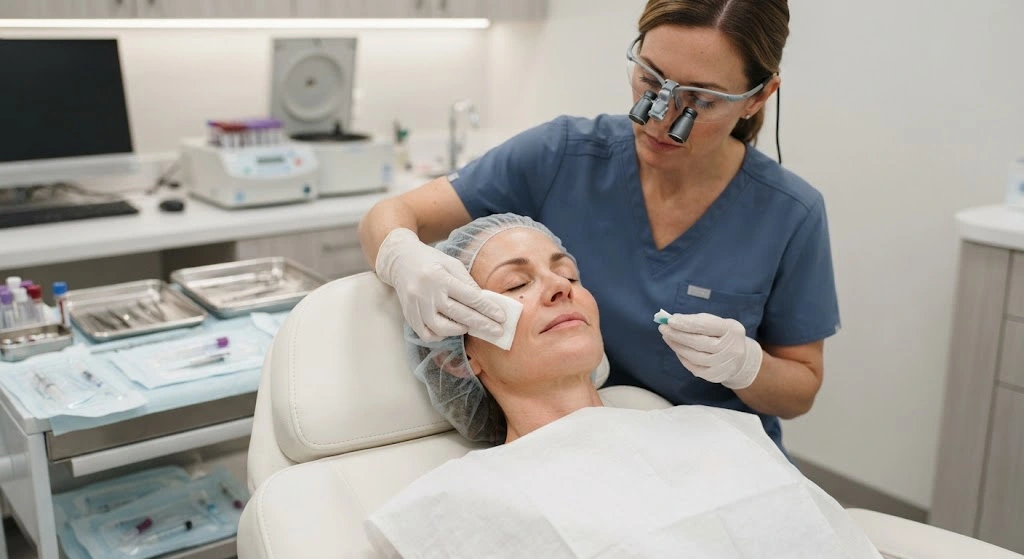
The process is quick, low-risk, and doesn’t require any downtime beyond a day or two of mild swelling. Here’s what a typical session looks like, step by step.
Step 1: Consultation
Your provider checks your skin, asks about your goals, and explains what results make sense for your skin type. This is also when they’ll flag any reason PRP might not be right for you.
Step 2: Blood Draw and Plasma Separation
A small blood sample is drawn, just like a routine blood test. That sample goes into a centrifuge, which spins fast enough to separate the plasma from your red and white blood cells. What’s left is a concentrated, platelet-rich liquid packed with growth factors.
Step 3: Injection
Your provider cleans and numbs the under-eye area, then injects the plasma using very fine needles. They target the spots where dark circles, puffiness, or fine lines show up most.
Step 4: Healing and Collagen Growth
You might notice light redness or swelling right after treatment. That typically clears up within a day or two. Underneath the surface, though, the real work is just starting. Over the following weeks, the growth factors in the plasma push your skin to produce new collagen, gradually firming and brightening the area.
A full session usually takes 30 to 45 minutes from start to finish.
How Many Sessions Will You Need?
Most people need three to four sessions, spaced about a month apart, to see their best results. Each session builds on the last as your skin keeps regenerating.
After that, a touch-up every six to twelve months keeps results looking fresh.
What to Expect During and After Treatment
During the injections, you’ll likely feel light pressure or a brief tingling sensation rather than sharp pain, since the area is numbed first.
Afterward:
- Mild redness or swelling is common and usually fades within 24 to 48 hours.
- Visible improvement starts within a few weeks.
- Full results build gradually over the next few months as your collagen production ramps up.
Because there’s no synthetic material involved, your skin simply looks like a better, more rested version of itself, not “done.”
Benefits and Side Effects of PRP for Under-Eyes
PRP under-eye treatment carries real benefits and only mild, short-term risks, mainly because it uses your own biology instead of an outside substance.
Benefits
- Reduces dark circles by improving blood flow and evening out skin tone.
- Smooths fine lines by boosting collagen, which firms and tightens the skin.
- Cuts down puffiness by supporting lymphatic drainage and reducing fluid buildup.
- Improves skin texture over time, leaving it softer and more even.
- Carries low allergy risk, since the plasma comes from your own body.
Possible Side Effects
Most side effects are mild and disappear on their own within a couple of days:
- Light redness
- Temporary swelling
- Minor bruising at injection sites
Following your provider’s aftercare instructions, like skipping makeup, sun exposure, and hard workouts for a day or two, helps your skin heal faster and reduces irritation.
PRP vs. Dermal Fillers: Which Should You Choose?
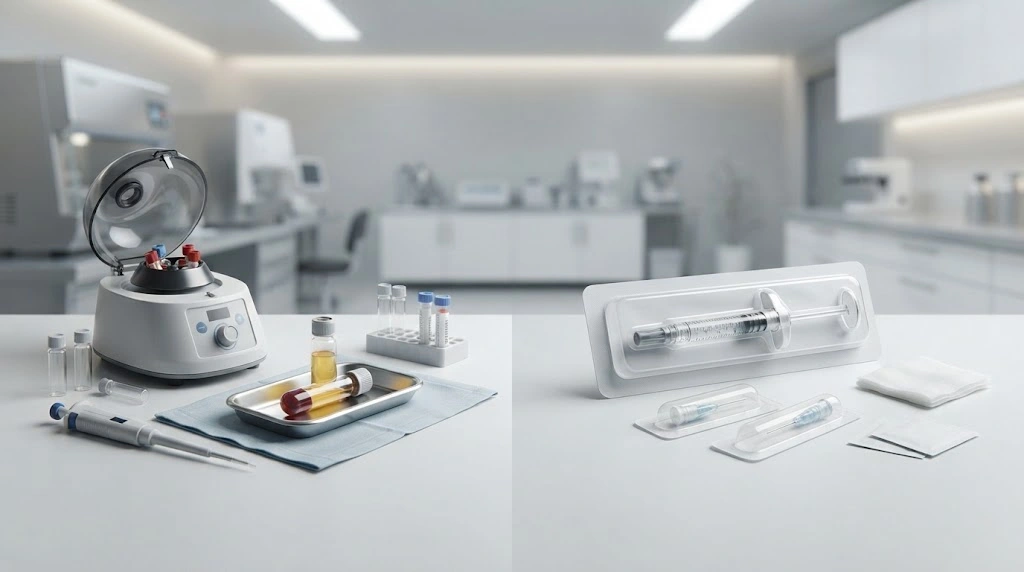
Both treatments target under-eye concerns, but they take very different approaches.
| Feature | PRP Under-Eyes | Dermal Fillers |
|---|---|---|
| How it works | Stimulates your own collagen and repair process | Adds instant volume with an injected material |
| What it’s made of | Your own plasma | Hyaluronic acid (or similar) |
| Speed of results | Gradual, builds over weeks | Immediate |
| How long it lasts | 1 year or more | 6 to 12 months |
| Risk level | Low, since it’s your own biology | Slight risk of allergic reaction or lumpiness |
If you want a subtle, natural-looking improvement that builds over time, PRP is the better fit. If you want to see a difference the moment you leave the office, fillers may suit you more.
Who Is a Good Candidate for PRP Under-Eye Treatment?
PRP works well for most healthy adults, but it’s especially effective if you’re dealing with:
- Dark circles or uneven under-eye tone
- Mild puffiness or under-eye bags
- Fine lines or early signs of aging
- Thin, dull-looking under-eye skin
You should avoid PRP if you have a bleeding disorder, an active skin infection, or an autoimmune condition. Always disclose your full medical history during the consultation so your provider can confirm you’re a good candidate.
Final Thoughts
PRP under-eye treatment isn’t a gimmick. It’s a treatment backed by your own biology, using the healing power already in your blood to rebuild collagen, even out tone, and soften the tired look that stress and age leave behind.
Results take patience since PRP works gradually rather than overnight, but that gradual process is exactly why it looks so natural. If your under-eyes need a refresh and you’d rather avoid synthetic fillers, PRP is worth asking your dermatologist about.
Frequently Asked Questions
How soon can I wear makeup after PRP under-eye treatment?
Wait at least 24 hours before applying makeup. This gives the skin time to calm down and lowers the risk of irritation or infection. Stick to gentle, non-comedogenic products once you do.
Can PRP be combined with microneedling or laser treatments?
Yes. Many providers pair PRP with microneedling or laser resurfacing to boost collagen production and improve overall skin texture. Ask your dermatologist what combination fits your skin goals.
When will I see full results from PRP under-eye treatment?
Most people notice visible changes within 3 to 4 weeks. Peak results usually show up around the three-month mark, after you’ve completed your full round of sessions.
For more skincare guides and beauty breakdowns, stick with faminaz.com.