
A single mismeasured cup of developer can turn a quick touch-up into a hair emergency. The bleach bath ratio for hair is the one detail that decides whether you get a soft, even lift or strands that snap the moment you brush them.
On paper, it looks easy. You just mix bleach, developer, and shampoo. But the exact proportions you choose control everything about how that formula behaves once it hits your hair. Get the ratio right, and you walk away with brighter, more even color. Get it wrong, and you’re looking at breakage, patchiness, or hair that feels like straw.
Here’s how to pick the right mix for your hair, why the ratio matters so much, and how to apply a bleach bath safely at home.
What Is a Bleach Bath, Exactly?
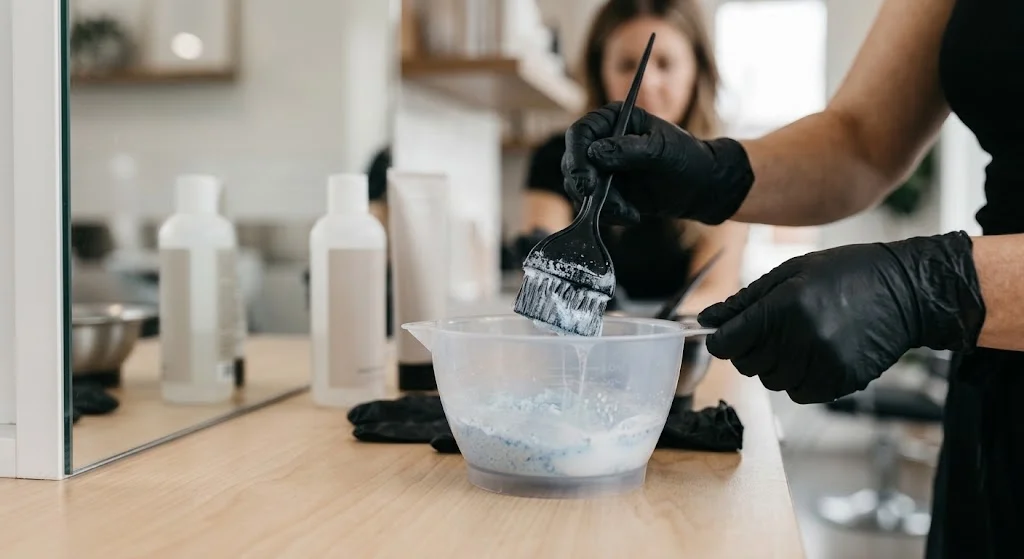
A bleach bath is a diluted lightening mixture made from bleach powder, developer, and shampoo. Some stylists call it a “soap cap.” It’s designed for mild lift and color correction, not dramatic lightening.
The shampoo isn’t just filler. It contains surfactants that slow down the developer’s reaction on your hair’s cuticle. That slower reaction means gentler, more controlled lightening.
Skip the shampoo, or use too little of it, and the buffer disappears. At that point, the mixture behaves almost like straight bleach, minus the smooth, spreadable texture that makes bleach bath application easier to control.
How to Choose the Right Ratio for Your Hair
The best bleach bath ratio depends on three things: how much lift you want, how your hair is currently holding up, and what your final color goal looks like.
A few quick rules of thumb:
- Want more lift? Use a stronger ratio, with less shampoo in the mix.
- Want a gentler result? Add more shampoo to slow processing down.
- Hair already damaged? Choose a more diluted mix so you don’t add extra stress.
- Not sure where to start? Match your ratio to your hair’s actual condition, not just your color goal.
If you’re unsure, always start gentle. A weaker mix gives you more control and lowers your risk of over-processing. You can always go back for a second round later, but you can’t reverse damage once it’s done.
The Most Common Bleach Bath Ratios
Different goals call for different mixes. Here’s a breakdown of the ratios stylists rely on most.
1. The 1:1:1 Ratio (Standard Starting Point)
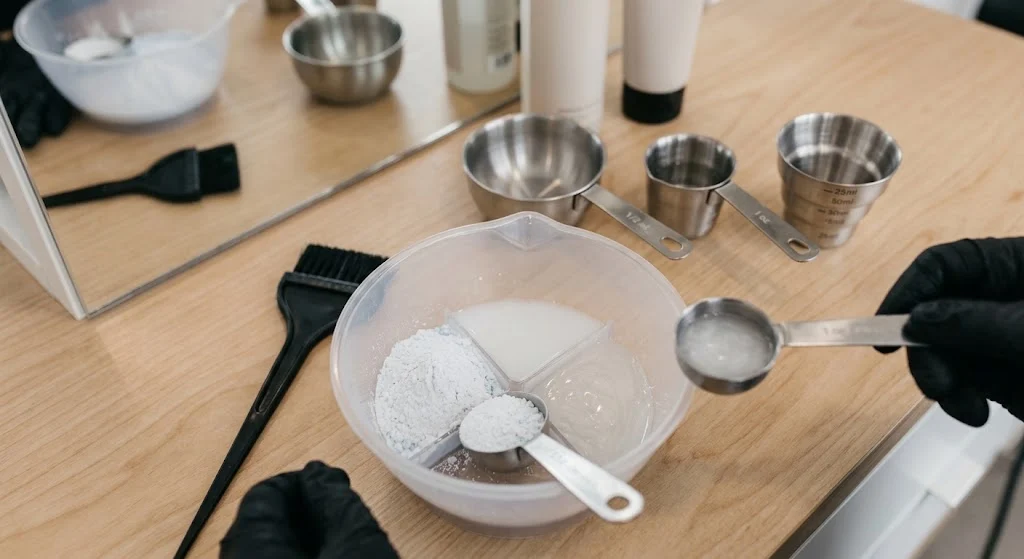
This is the go-to mix for first-timers. It’s balanced, predictable, and easy to control.
- 1 part bleach powder
- 1 part developer (usually 20 volume)
- 1 part clarifying or regular shampoo
The shampoo slows the bleaching action down, which reduces the chance of hot spots or patchy color. This ratio works well for minor color correction, toning down brassiness, or lifting already-lightened hair by around one level.
2. The 1:2:1 Ratio (More Developer, More Flow)
Double the developer and you get a thinner, more spreadable formula. This ratio is handy when the standard mix feels too thick to work through your hair evenly.
- 1 part bleach powder
- 2 parts developer
- 1 part shampoo
Because it’s more fluid, this mix distributes better through thick, dense, or coarse hair. It also handles stubborn brassiness or a lift of more than half a shade, without pushing into aggressive full-bleach territory.
3. The 1:2:2 or 1:2:3 Ratio (Gentlest Option)
Add even more shampoo, and the whole formula slows down. This version is the softest, safest choice for hair that’s already stressed.
- 1 part bleach powder
- 2 parts developer
- 2 or 3 parts shampoo
More shampoo keeps the mixture fluid throughout application, so it spreads evenly instead of clumping. This ratio isn’t built for major lift. It’s meant for a light tone refresh or a small reduction in brassiness, without piling on more damage.
Tip: When you’re not sure which ratio to pick, go with the more diluted option. You can always repeat the process later, but you can’t undo hair that’s already over-processed.
Developer Strength Guide: 10, 20, 30, and 40 Volume
| Developer Strength | Best For | Lift | Risk Level |
|---|---|---|---|
| 10 Volume | Mild toning, small corrections | Minimal | Lowest |
| 20 Volume | Standard bleach baths, visible brightening | 1–2 levels | Moderate |
| 30 Volume | Stronger correction needs | Higher lift | Higher |
| 40 Volume | Not recommended for bleach baths | Very strong | Highest |
Lower volumes give you more control. Higher volumes speed up processing but raise your risk of dryness and breakage. For most bleach baths, 20 volume is the safest, most balanced choice.
Bleach Bath vs. Full Bleach: Which One Do You Need?
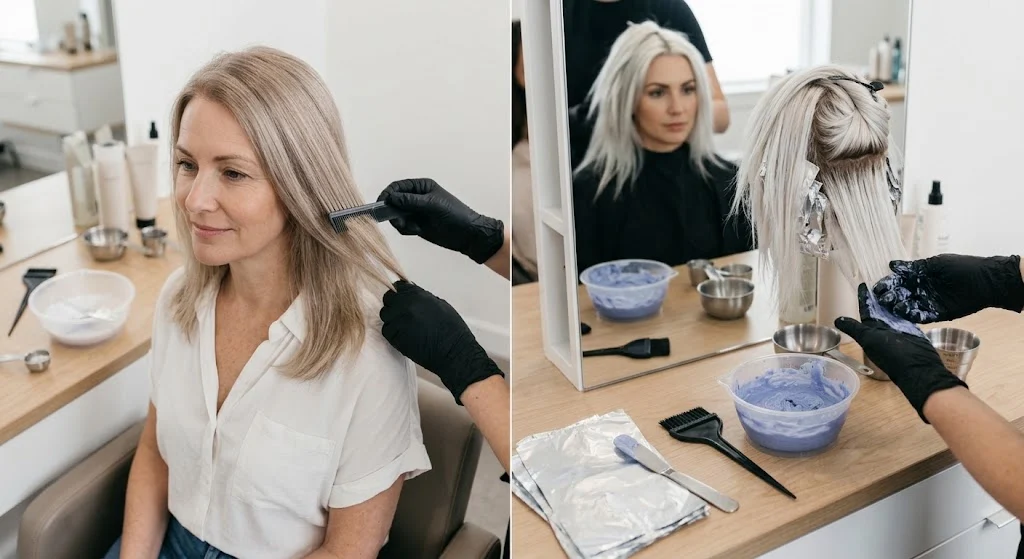
Your choice comes down to your hair’s condition, your color goal, and how much lift you actually need.
Choose a bleach bath when you:
- Need to remove slight brassiness or faded toner
- Want mild lightening, around 1–2 levels
- Need to blend light color banding or uneven tone
- Are prepping hair for recoloring by lifting old pigment
- Have fragile or previously bleached hair that needs a gentler touch
Choose full bleach when you:
- Need to lift dark hair several levels lighter
- Have heavy box-dye buildup or stubborn artificial color
- Want platinum or very light blonde results
- Need stronger correction for deep, uneven color bands
How to Do a Bleach Bath at Home, Step by Step
A bleach bath isn’t an “apply and forget” treatment. Because the mix is diluted, it works fast but subtly, which means you need to check your hair often while it processes.
Step 1: Prep Your Hair
Start with damp, towel-dried hair, not soaking wet. If you have heavy product buildup, wash with a clarifying shampoo first and rinse thoroughly. Skip the conditioner before applying the bleach bath. Section your hair so the application goes faster and stays even.
Step 2: Mix to a Creamy Consistency
Combine your bleach powder, developer, and shampoo based on the ratio you picked. Mix until it’s smooth, lump-free, and creamy. It shouldn’t be watery or as thick as traditional bleach.
Step 3: Apply Quickly and Evenly
Work the mixture through damp hair fast, saturating from roots to ends unless you’re targeting specific sections. If you’re correcting uneven color, apply to the darker areas first so they get a bit more processing time.
Step 4: Watch the Processing Time Closely
Check your hair every 3 to 5 minutes. Most bleach baths finish processing within 5 to 15 minutes. Don’t leave it on longer than needed. The moment you see the lift you want, rinse it out.
Step 5: Rinse and Deep Condition
Rinse with lukewarm water until it runs completely clear. Follow up with a deep conditioner or repair treatment to help rebuild strength. Wait a few days before applying toner or doing another lightening session. Spacing things out gives your hair time to recover.
Reminder: Work in a ventilated space, and always run a strand test first if you’re unsure how your hair will react.
Signs Your Hair Isn’t Ready for a Bleach Bath
Before you mix anything, check your hair’s condition. If you notice any of these warning signs, hold off and focus on repair first:
- Fails the stretch test — wet strands stretch too far and snap instead of bouncing back
- Feels mushy or gummy when wet — a sign of existing over-processing
- Looks extremely dry or straw-like — already stressed hair can’t handle more lifting
- Breaks easily during washing or detangling — short broken pieces signal fragile hair
- Has little to no elasticity — hair that feels stiff rather than flexible
Wet or Dry Hair: Which Works Best for a Bleach Bath?
Damp, towel-dried hair is the sweet spot. Soaking wet hair dilutes the mixture too much, which slows down the lift and makes results unpredictable. Fully dry hair absorbs the formula too fast, raising your risk of uneven processing.
Damp hair lets the mixture spread evenly while keeping the lightening process gentle. Always towel-dry thoroughly before you apply.
How Long Should You Leave a Bleach Bath In?
Most bleach baths process fully within 5 to 15 minutes, depending on your hair’s condition and the ratio you’re using.
Check every 3 to 5 minutes so you can catch the right moment to rinse. As soon as you reach your desired result, rinse it out right away instead of waiting for the full time to pass. Leaving it on longer than necessary only raises your risk of dryness and breakage.
Final Thoughts
Getting your bleach bath ratio right is what separates a controlled, even result from a damaged mess. The correct mix, paired with the right developer strength and careful timing, helps you avoid patchy lifting and unnecessary breakage.
Take your time with the process. Gradual, well-monitored lightening is always easier to manage than trying to fix over-processed hair afterward. Every head of hair reacts differently, so check your hair’s condition before you commit to a ratio, and don’t be afraid to start gentle.
Frequently Asked Questions
Will a bleach bath lighten natural, virgin hair?
Yes, but only slightly. It typically lifts virgin hair by about 1–2 levels, depending on your starting shade and developer strength.
How often can you do a bleach bath on your hair?
Wait at least 1–2 weeks between sessions so your hair has time to recover. Doing them too close together increases dryness, weakness, and breakage.
Can you do a bleach bath without developer?
No. Developer activates the lightening process. Without it, the bleach powder won’t lift your hair or produce the color change you’re after.
For more hair care tips, tricks, and trends, keep exploring faminaz.com.