
If you have ever stood in a fitting room wondering whether to pick the high-waist pair or the mid-rise pair, you are not alone. Both rises are popular for women over 50, and both can look wonderful. The trick is knowing what each one does for your comfort, your shape, and your everyday life. This guide compares high-waist and mid-rise pants side by side, so you can choose with confidence instead of guesswork.
1. The High-Waist Advantage: Comfort and Coverage
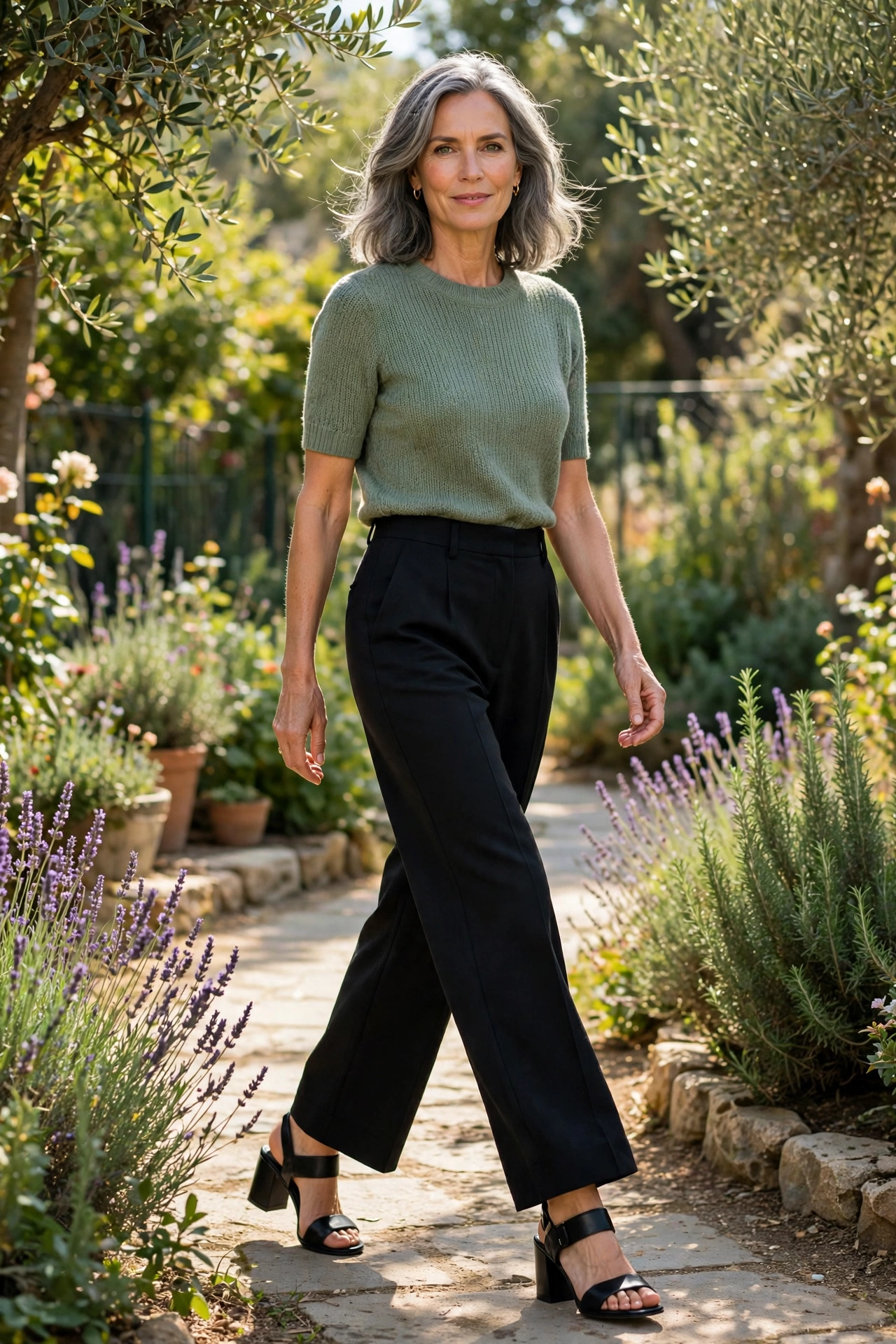
High-waist pants sit at or just above your natural waist, which is usually around your belly button. For many women over 50, this is the most comfortable rise of all. The waistband stays in place when you sit, bend, or walk, so you are not pulling your pants up all day.
High-waist styles also give gentle, smooth coverage across the tummy. They hold everything in softly without squeezing, which is why they pair so well with tucked-in blouses and fitted tops. If you like the feeling of being nicely held together, high-waist pants are a wonderful place to start.
One more benefit: high-waist pants make your legs look longer. When the waistband sits higher, the eye travels further down, which creates a long, graceful line. Wide-leg and straight-leg high-waist trousers are especially flattering for this reason.
2. The Mid-Rise Advantage: Easy, Everyday Comfort
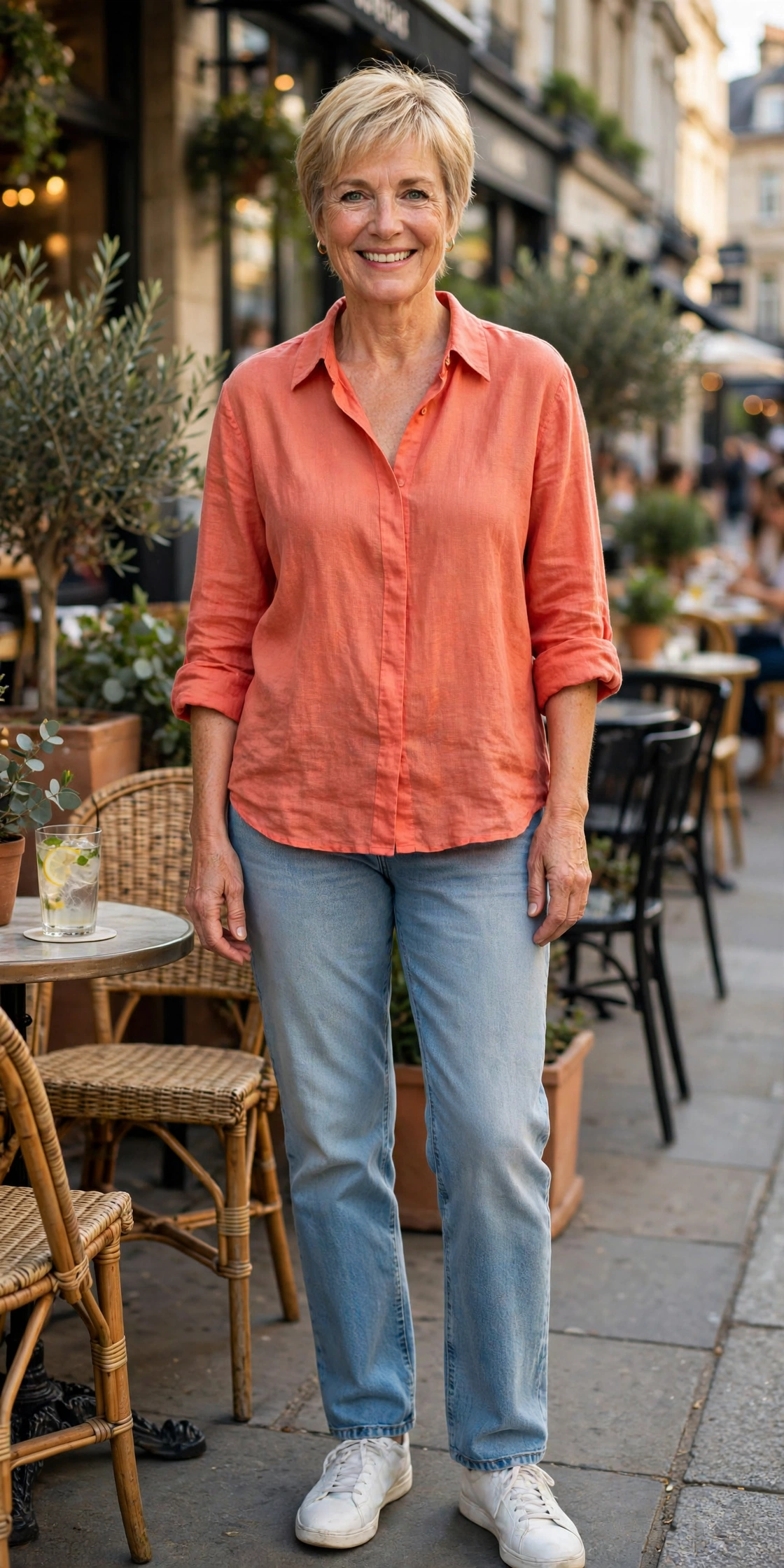
Mid-rise pants sit a little lower, usually just below the belly button and above the hips. This is the rise most of us grew up wearing, and it feels familiar and relaxed. There is no waistband pressing near the ribs, which some women prefer, especially on warm days or after a big lunch.
Mid-rise styles are also very forgiving when it comes to tops. You can wear them untucked, half-tucked, or with a shirt left loose over the waistband, and everything still looks tidy. If you love easy, throw-on-and-go outfits, mid-rise jeans and trousers are hard to beat.
For casual looks, mid-rise is often the winner. Think relaxed straight jeans with a linen shirt, or soft ankle trousers with a simple tee. If you are building a wardrobe of jeans that look fabulous over 50, mid-rise styles deserve a place in it.
3. Tummy Coverage: Which Rise Smooths More?
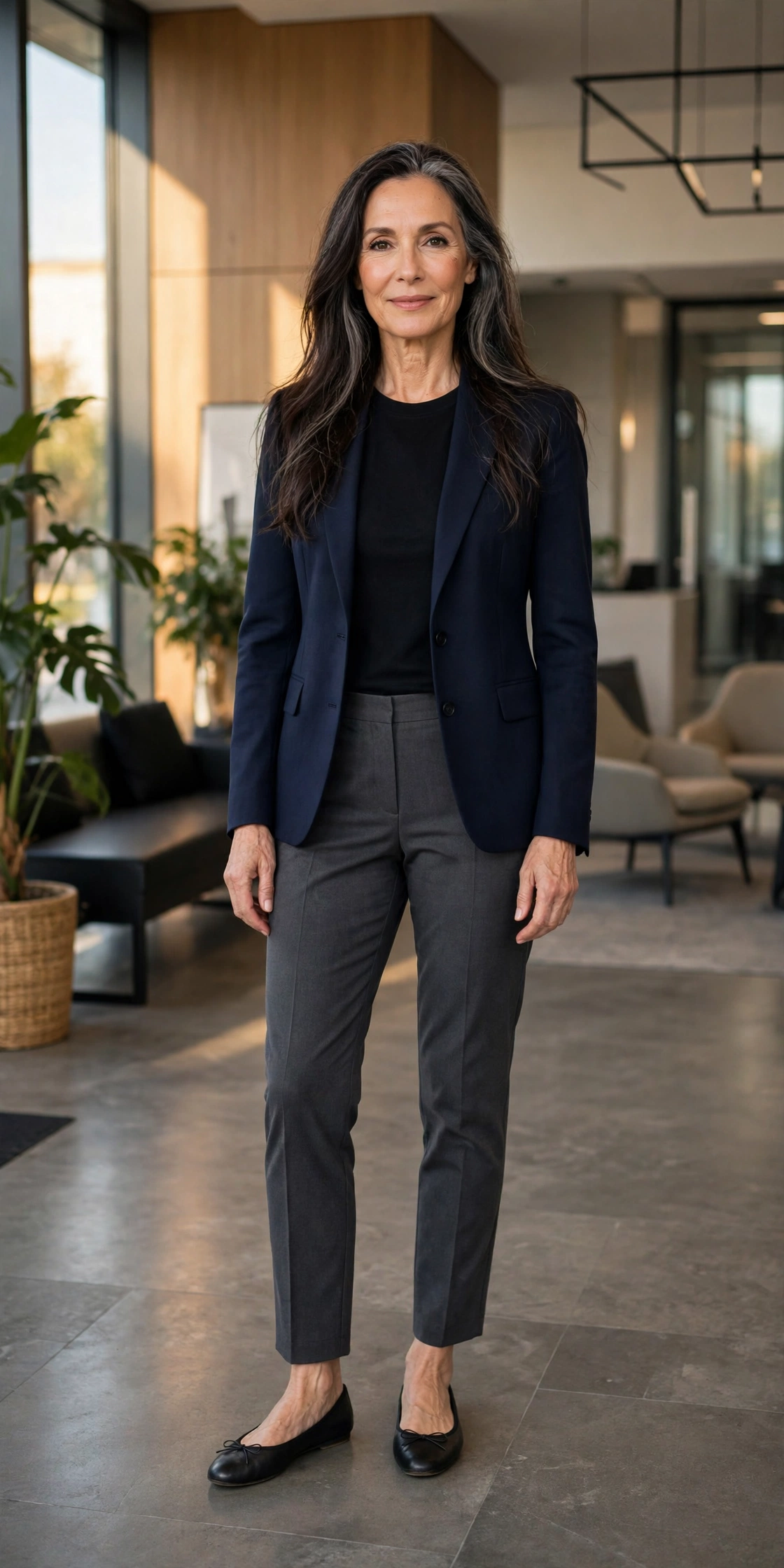
Let us be honest: most women over 50 want a little smoothing around the middle, and the rise you choose makes a real difference. High-waist pants generally offer more coverage, because the waistband extends over the tummy area. A good high-waist pair with a little stretch can smooth beautifully without feeling tight.
Mid-rise pants cover less of the tummy, but that does not mean they cannot look smooth. The secret is the top you pair them with. A slightly longer blouse, a structured jacket, or a top with a bit of drape can balance a mid-rise waistband perfectly. A well-chosen blazer over mid-rise trousers, for example, creates a clean, polished line for work or lunch out.
Fabric matters just as much as the rise. A high-waist pair in a structured ponte or stretch twill will smooth more than the same cut in a thin, floppy fabric. For mid-rise styles, look for a contoured waistband that curves slightly higher at the back, which prevents gaping when you bend or sit. Small details like these make the difference between pants you tolerate and pants you love.
The bottom line: if tummy coverage is your top priority, start with high-waist styles. If you are happy with moderate coverage and want more freedom in your tops, mid-rise will serve you well. For more ideas on this topic, see our guide to tummy-flattering outfits for women over 50.
4. Proportions: Long Torso vs Short Torso
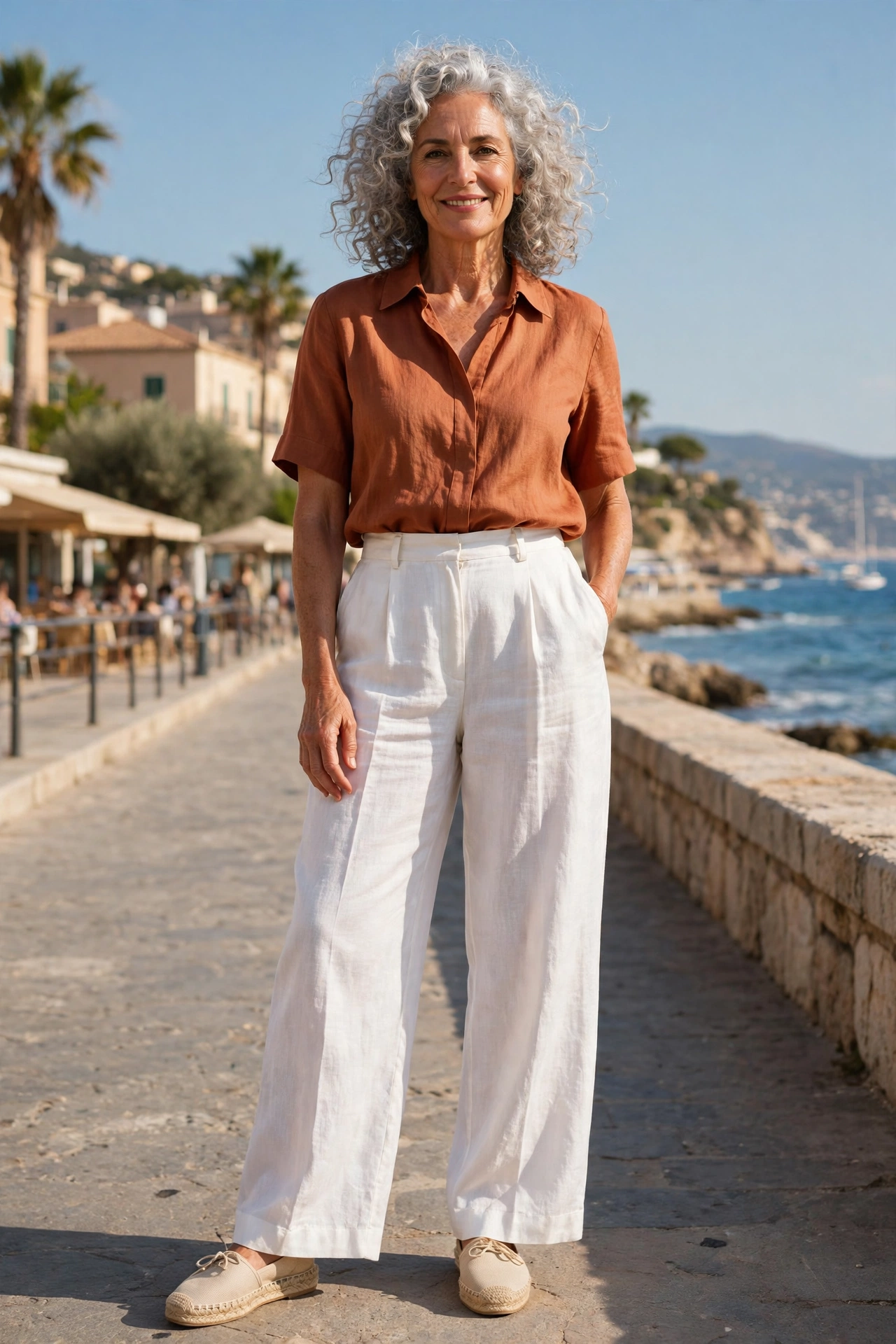
Your torso length matters more than your dress size when choosing a rise. If you have a long torso, high-waist pants are often your best friend. They break up the length of your upper body, define your waist, and stop tops from looking too long and shapeless.
If you have a short torso, the picture changes. A very high waistband can make your upper body look even shorter, because there is little space between your waist and your bust. In that case, mid-rise pants are usually the kinder choice. They leave more room above the waistband, which helps your torso look longer and more balanced.
Not sure which you are? Try this quick check: sit up straight and look at the distance between the bottom of your bust and the top of your hip bones. If it feels generous, you likely have a longer torso. If it feels short, mid-rise styles will probably flatter you more. Either way, trust the mirror over any rule.
5. What Tops to Pair With Each Rise
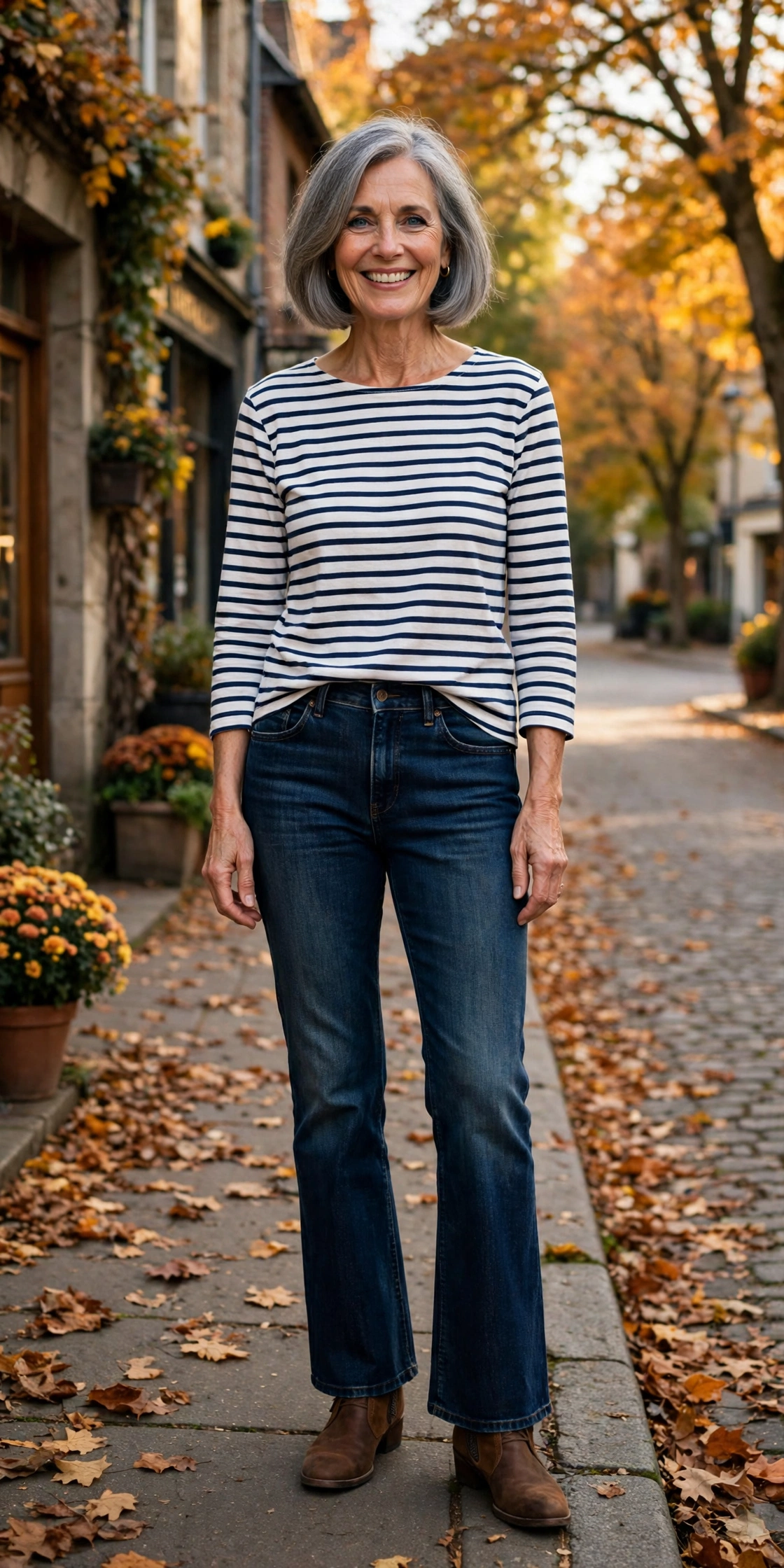
High-waist pants love tucked-in tops. A silk blouse, a fitted knit, or a crisp shirt tucked into high-waist trousers shows off your waist and creates a neat, finished look. If tucking feels fussy, try a French tuck, where you tuck just the front of your top and leave the rest loose. It gives the same polished effect with less effort.
Mid-rise pants are more flexible. They work with tucked tops too, but they really shine with untucked styles: a relaxed linen shirt, a soft tunic, or a classic striped top worn loose over the waistband. This is why mid-rise jeans are so popular for weekends and travel.
A simple rule to remember: high waist, tuck it in; mid rise, wear it your way. And when in doubt, add a third layer. A cardigan, jacket, or scarf pulls either rise together beautifully.
Seasons change the equation too. In summer, high-waist linen trousers with a tucked sleeveless blouse feel cool and elegant, while mid-rise cropped jeans with a loose tee are perfect for holidays. In winter, high-waist pants tuck neatly into boots and layer well under long coats, while mid-rise styles work beautifully with oversized sweaters worn untucked. Owning both rises means you are ready for every season without buying a whole new wardrobe.
6. Sitting Comfort and All-Day Wear
Comfort is not only about how pants feel when you stand in front of the mirror. It is about how they feel after three hours at a desk, a long lunch, or a car journey. This is where the two rises behave differently.
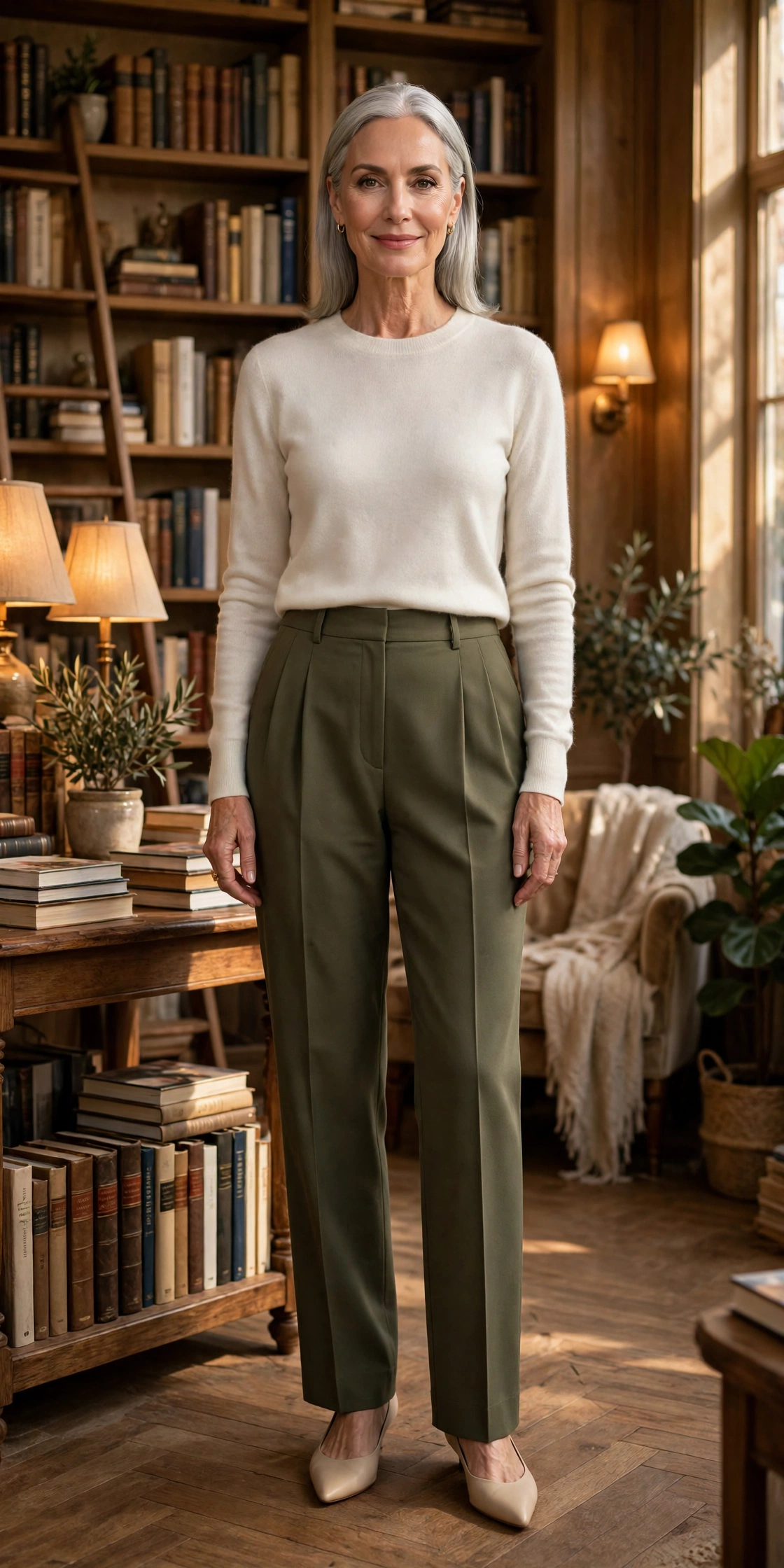
High-waist pants with a stretch waistband usually stay comfortable all day, because the waistband does not roll down when you sit. Look for styles with a wide, flat waistband rather than a thin elastic one, which is more likely to dig in. Pleated high-waist trousers are especially kind, because the pleats give extra room when you sit.
Mid-rise pants can be just as comfortable, but the fit around the waist matters more. If the waistband is too tight, it may press when you sit. If it is too loose, the pants may slide down. When trying mid-rise styles, always sit down in the fitting room and check that the waistband stays put. A little stretch in the fabric makes a big difference for both rises.
7. How to Choose: A Simple Decision Guide

Still torn? Here is a quick guide to help you decide:
- Choose high-waist if: you want the most tummy coverage, you love tucked-in tops, you have a longer torso, or you want your legs to look longer.
- Choose mid-rise if: you want a relaxed, familiar fit, you prefer untucked tops, you have a shorter torso, or you want easy weekend and travel outfits.
- Choose both if: you like variety. Many women over 50 keep both rises in their wardrobe and pick based on the occasion. High-waist trousers for dressier days, mid-rise jeans for casual days.
There is no wrong answer here. The best rise is the one you reach for again and again, the one that feels good at 9 in the morning and still feels good at 9 at night.
Final Thoughts
High-waist and mid-rise pants both earn their place in a wardrobe over 50. High-waist styles offer coverage, a defined waist, and longer-looking legs. Mid-rise styles offer relaxed comfort, easy tops, and a familiar fit. Try both, pay attention to your torso length and your daily comfort, and build your collection around the rise that makes you feel your best. When your pants fit well, everything else in your outfit falls into place.
And remember, the goal is never to fit into a trend. It is to walk out of the house feeling comfortable, confident, and like yourself. Whichever rise gives you that feeling is the right one for you.