
A small lump on your scalp or skin can raise an immediate question: is this dangerous, or just a harmless bump? Cysts rank among the most common non-cancerous skin growths that dermatologists see every day.
Two types get confused with each other constantly: the pilar cyst and the sebaceous cyst (also called an epidermoid cyst). Both feel similar at first glance, but they form in different ways, show up in different places, and respond to different treatments.
This guide breaks down exactly how each cyst develops, what it looks like, and the safest way to manage or remove it. By the end, you’ll know which type you’re dealing with and what steps to take next.
What Is a Pilar Cyst?
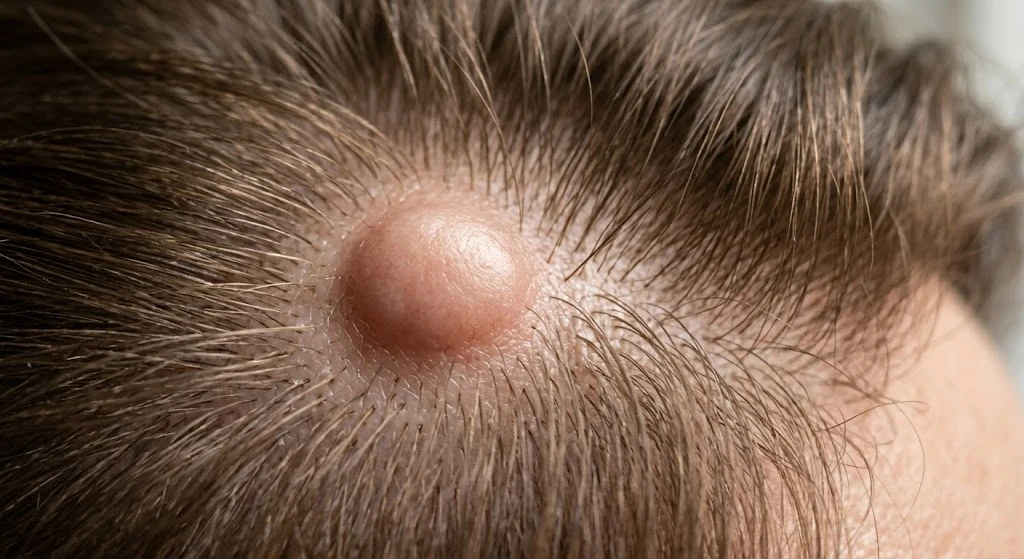
A pilar cyst, also known as a trichilemmal cyst, forms from the outer root sheath of a hair follicle. It shows up almost exclusively on the scalp, and it often runs in families. If your parent or sibling has had one, your odds of developing one go up too.
Here’s what sets a pilar cyst apart:
- A round, firm, smooth lump sitting just beneath the scalp
- Painless and slow-growing in most cases
- No visible opening or pore on the surface
- Filled with keratin, a thick white protein
Pilar cysts can appear alone or in clusters, and a small percentage become irritated or inflamed over time. Many people leave them alone since they’re benign, but pilar cyst removal is a common choice when the lump causes discomfort or sits somewhere visible.
What Is a Sebaceous (Epidermoid) Cyst?
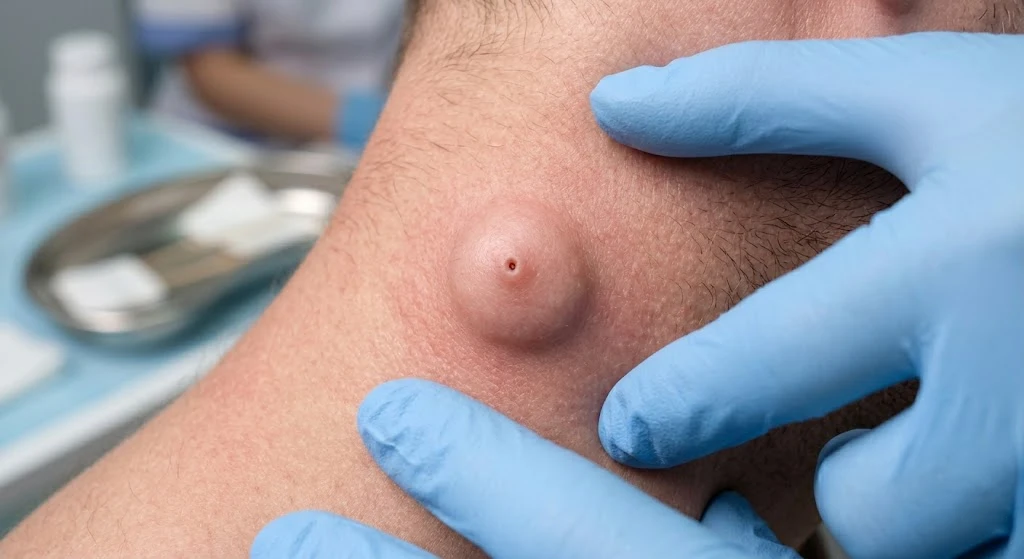
A sebaceous cyst, more accurately called an epidermoid cyst, forms when a sebaceous gland or hair follicle gets blocked. Oil and dead skin cells build up underneath the skin instead of shedding normally, and a lump forms over weeks or months.
Key features of a sebaceous cyst include:
- A softer texture than a pilar cyst
- A small central pore, known as a punctum
- A yellowish, oily discharge if the cyst ruptures
- A tendency to appear on the face, neck, chest, or back
Sebaceous cyst treatment isn’t always necessary. Doctors usually step in only when the cyst turns red, swells, or shows signs of infection.
Pilar Cyst vs Sebaceous Cyst: Key Differences
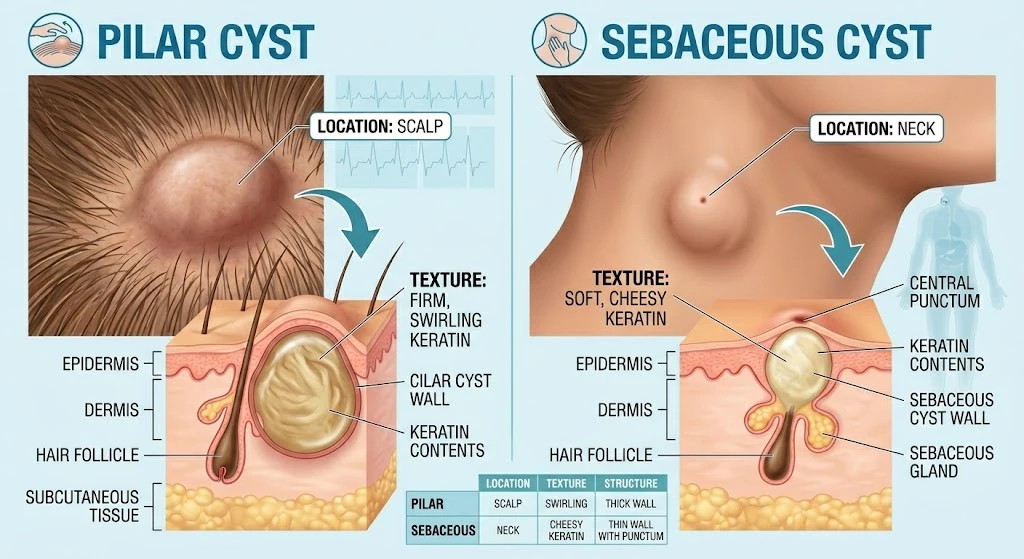
Both cyst types are benign, but they differ in where they form, what fills them, and how they behave. The table below lays out the contrast clearly.
| Feature | Pilar Cyst | Sebaceous (Epidermoid) Cyst |
|---|---|---|
| Origin | Outer root sheath of a hair follicle | Blocked sebaceous gland or follicle |
| Content | Keratin (thick, white material) | Sebum (oily, yellowish fluid) |
| Texture | Firm and smooth | Softer, may shift under pressure |
| Location | Scalp and other hair-bearing areas | Face, neck, chest, or back |
| Punctum | Absent | Usually visible |
| Genetic link | Often hereditary | Not typically hereditary |
| Infection risk | Rare | More common |
| Treatment | Surgical excision | Excision or drainage if inflamed |
If the lump sits on your scalp, a pilar cyst is the more likely diagnosis. If it’s elsewhere on the body and has a visible pore, you’re probably looking at a sebaceous cyst.
Are Pilar and Sebaceous Cysts Dangerous?
Both types are benign, meaning they aren’t cancerous. They grow slowly and rarely cause serious health problems on their own.
Complications can still occur. A cyst that gets infected, ruptures under the skin, or grows large enough to press on nearby tissue may cause pain or discomfort. Malignant change is extremely rare, but any cyst that grows quickly, changes color, or shifts in texture deserves a professional look.
With proper diagnosis and timely removal, recovery is usually quick and recurrence is uncommon.
What Causes Pilar and Sebaceous Cysts?
Each cyst type has a distinct cause, which explains why one shows up on the scalp and the other almost anywhere else on the body.
Pilar Cyst Causes
Pilar cysts form when keratin, a protein naturally found in hair, builds up inside the hair follicle instead of shedding away. Genetics plays a strong role here, and these cysts often run in families. Minor scalp injuries or repeated irritation from hats, helmets, or hairstyles can also contribute.
Sebaceous Cyst Causes
Sebaceous cysts develop when oil glands become blocked, usually from excess oil production, skin trauma, or acne. Hormonal shifts and naturally oily skin raise the risk of blocked glands. Frequent sun exposure can also ramp up gland activity, which increases the chance of a cyst forming.
Neither type turns cancerous on its own, but both can become infected and may need prompt medical attention if that happens.
Symptoms and Appearance
Both cyst types feel like lumps under the skin, but the firmness, texture, and location differ enough to tell them apart.
A pilar cyst tends to feel firm and rubbery, has no visible pore, and shows up most often on the scalp or behind the ears. A sebaceous cyst feels softer, often has a small visible pore at its center, and may leak a thick or oily discharge if it ruptures. You’ll typically find sebaceous cysts on the face, upper back, or chest.
Redness, tenderness, or swelling in either type points to a possible infection. Getting it checked early helps prevent the inflammation from spreading.
When to See a Doctor for a Pilar or Sebaceous Cyst
Most of these cysts stay harmless for years. See a doctor if a lump grows quickly, becomes painful, or shows signs of infection like redness, swelling, or discharge.
A cyst that keeps coming back after removal, or one you simply can’t identify with confidence, also deserves a checkup. A dermatologist can confirm the cyst type through examination or imaging and recommend the safest removal method for your situation.
How Doctors Diagnose These Cysts
Diagnosis is usually straightforward, though doctors sometimes use imaging or lab tests to confirm the type, rule out infection, and make sure the lump isn’t something more serious.
Clinical examination. The doctor inspects and feels the lump first. A firm, smooth bump on the scalp suggests a pilar cyst, while a softer bump with a visible pore points to a sebaceous cyst.
Dermatoscopy. A handheld magnifying tool called a dermatoscope lets the doctor examine surface details like a punctum or color changes. This step helps separate cysts from lipomas, warts, or other skin growths.
Ultrasound. An ultrasound scan shows the cyst’s internal structure and confirms whether it’s filled with keratin or sebum. It also reveals the cyst’s depth and its relationship to nearby blood vessels, which matters before removal.
Biopsy. If a cyst looks unusual, the doctor may take a small tissue sample for lab testing. This confirms the cyst type and rules out rare tumors or other conditions.
Infection check. If redness or pain is present, the doctor may swab any discharge to identify bacteria and prescribe the right antibiotic before removal.
Treatment Options for Pilar and Sebaceous Cysts
Treatment depends on the cyst’s size, location, and whether it’s causing symptoms. Small, painless cysts often need no treatment at all, while larger or symptomatic ones usually respond well to simple removal.
Observation. A small cyst with no pain or infection can simply be monitored over time. Many people choose this route until the cyst grows or starts causing problems.
Surgical removal. This is the most reliable method for both pilar cyst treatment and sebaceous cyst removal. The doctor removes the entire cyst wall and its contents through a small incision, under local anesthesia. The procedure usually takes 15 to 30 minutes, and recurrence is rare when the full cyst wall comes out.
Drainage and medication. If a cyst becomes infected, the doctor may drain it through a small incision and prescribe antibiotics to clear the infection. Steroid injections sometimes help reduce swelling before a full removal procedure.
Aftercare After Cyst Removal
Good aftercare directly affects how well the skin heals after either type of removal.
Keep the area clean and dry by washing it gently with mild soap once a day, then patting it dry instead of rubbing. Avoid touching, squeezing, or picking at the healing wound, since this can slow recovery or introduce bacteria. Apply any antiseptic cream or antibiotic ointment your doctor prescribes. Skip swimming and long showers until your stitches come out.
Stitches typically come out within 7 to 10 days, while dissolvable ones break down naturally over a few weeks. Most people heal fully within one to two weeks with minimal scarring. For facial cysts, a silicone-based scar gel can help fade any visible mark.
How to Prevent Cysts
You can’t prevent every cyst, especially ones tied to genetics, but a few habits lower your risk.
- Wash regularly to clear away oil and dead skin that can clog follicles
- Avoid picking or squeezing any lump you notice
- Treat acne early, since clogged pores often lead to sebaceous cysts
- Choose gentle, non-comedogenic skincare and hair products
- Schedule regular checkups if you’ve had a pilar cyst before, so new ones get caught early
- Talk to a dermatologist early if cysts run in your family, so you can plan ahead
Final Thoughts
Telling a pilar cyst apart from a sebaceous cyst comes down to a few clear signs: where it sits, how firm it feels, and whether it has a visible pore. A pilar cyst grows from a hair follicle and almost always appears on the scalp. A sebaceous cyst forms when an oil gland gets blocked and can show up almost anywhere else on the body.
If you notice a lump that won’t go away, or one that’s changing in size or color, a dermatologist can confirm what it is and walk you through your options. Most cases resolve easily once properly diagnosed and treated.
Frequently Asked Questions
Can pregnancy cause sebaceous cysts?
Yes. Hormonal changes during pregnancy increase oil production, which can lead to new sebaceous cysts. They’re harmless and can be removed safely if they cause discomfort.
Can a cyst feel rock hard?
Yes. A pilar cyst, or an older sebaceous cyst, can feel quite hard due to built-up keratin or sebum. The firmness doesn’t usually signal danger, but removal may help if the cyst becomes painful or irritated.
Can a sebaceous cyst last for years?
Yes. Many sebaceous cysts stay unchanged for years without causing problems. If one starts growing, turning red, or causing discomfort, removal is the most reliable fix.