
The 1920s changed the way men dressed from head to toe, and shoes were an important part of that change.
As suits became more relaxed and casual clothing gained popularity, men had more choices in footwear. Classic leather Oxfords remained important, while brogues, spectator shoes, boots, and sporting footwear offered different options for work and leisure.
Shoes were chosen according to the occasion, outfit, and activity.
A man attending a formal dinner needed polished footwear, while someone playing golf or spending a weekend outdoors needed something more practical.
In this guide, you will find the most popular 1920s men’s shoes, including Oxfords, brogues, spectator shoes, boots, work shoes, and sporting footwear.
The Importance of Shoes in 1920s Men’s Fashion
Shoes were more than a practical part of a man’s wardrobe.
They helped complete the overall appearance of an outfit.
A well-tailored suit could lose some of its appeal if it was paired with worn or unsuitable footwear.
Men therefore paid attention to the style, material, color, and condition of their shoes.
Formal clothing usually called for darker polished leather, while casual and sporting outfits allowed greater freedom.
This attention to footwear was part of the wider approach to 1920s men’s fashion, where small details helped create a complete appearance.
What Shoes Did Men Wear in the 1920s?
Men wore several types of shoes during the decade.
The most recognizable included:
- Oxford shoes
- Brogues
- Spectator shoes
- Two-tone shoes
- Leather dress shoes
- Boots
- Work shoes
- Golf shoes
- Casual leather shoes
Some styles were suitable for several occasions, while others were designed for specific activities.
The same man might own formal black Oxfords for business and evening events and a pair of two-tone shoes for weekend social activities.
1. 1920s Oxford Shoes
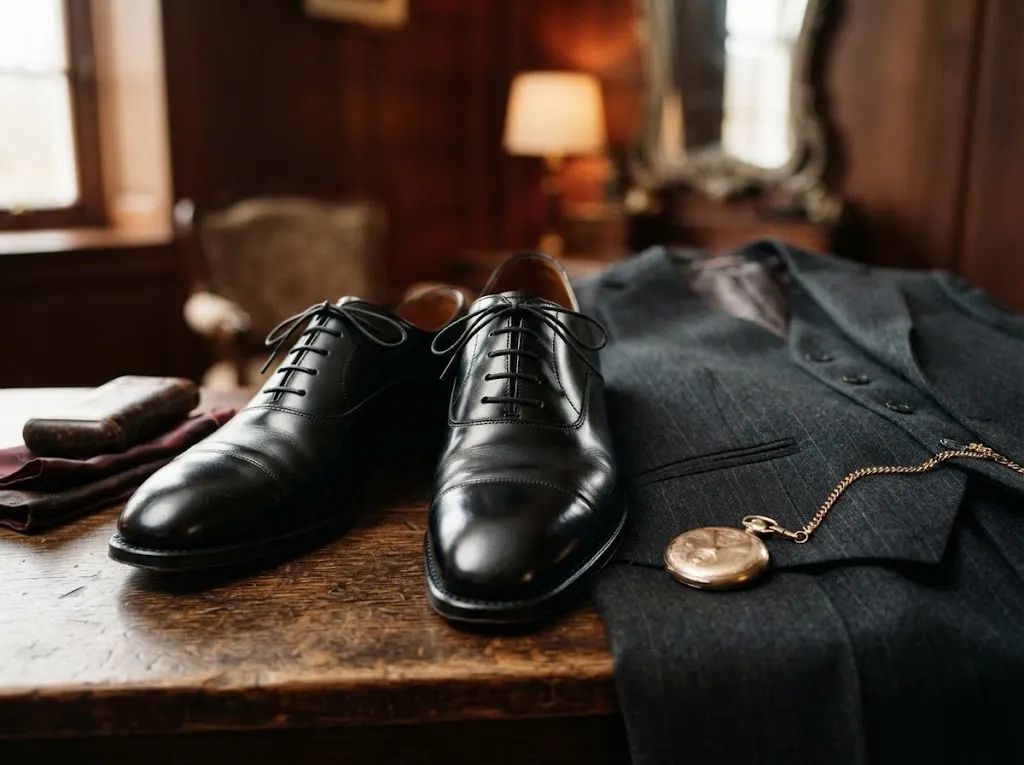
Oxford shoes were one of the most reliable choices for men during the decade.
They featured a closed-lacing design and were commonly made from leather.
Black and brown were practical colors that could work with different outfits.
Black Oxfords were especially suitable for formal clothing.
Brown versions could be worn with lighter suits and more relaxed daytime outfits.
Their simple shape made them versatile enough for business, social occasions, and formal events.
2. 1920s Brogue Shoes
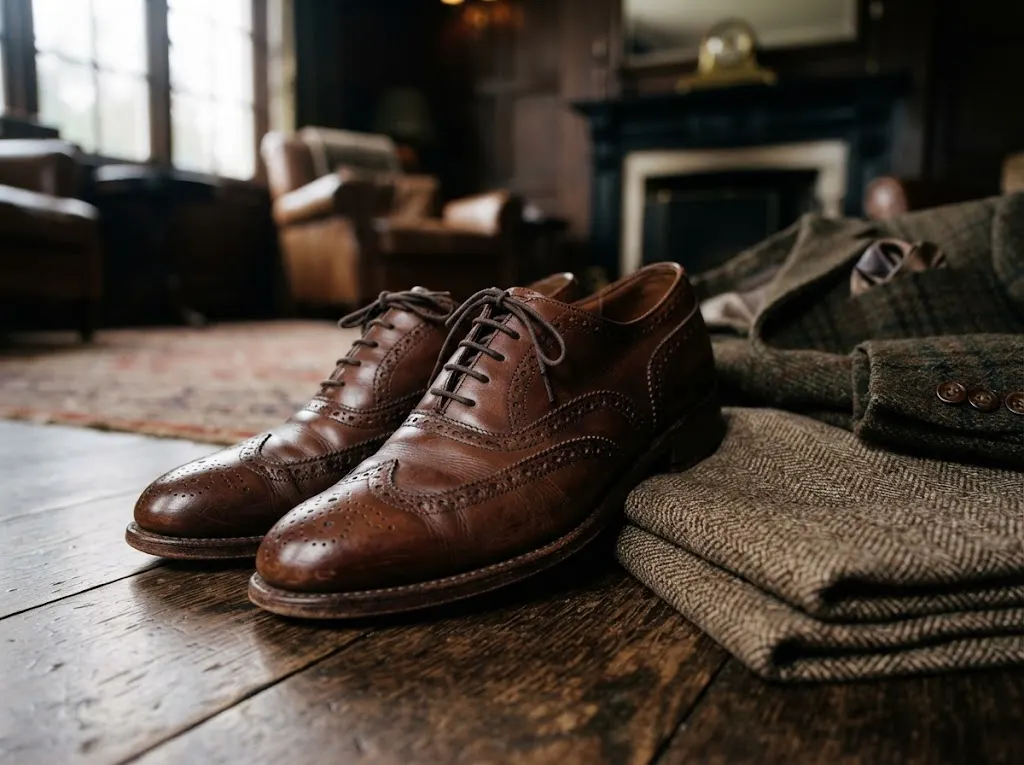
Brogues were recognizable because of their decorative perforations.
These small holes were originally connected with practical outdoor footwear, but the decorative pattern eventually became a popular style feature.
Brogues could be worn with suits, trousers, and country-inspired clothing.
Their detailed appearance made them slightly more distinctive than plain Oxfords.
Brown brogues worked particularly well with tweed and other casual fabrics.
3. Spectator Shoes
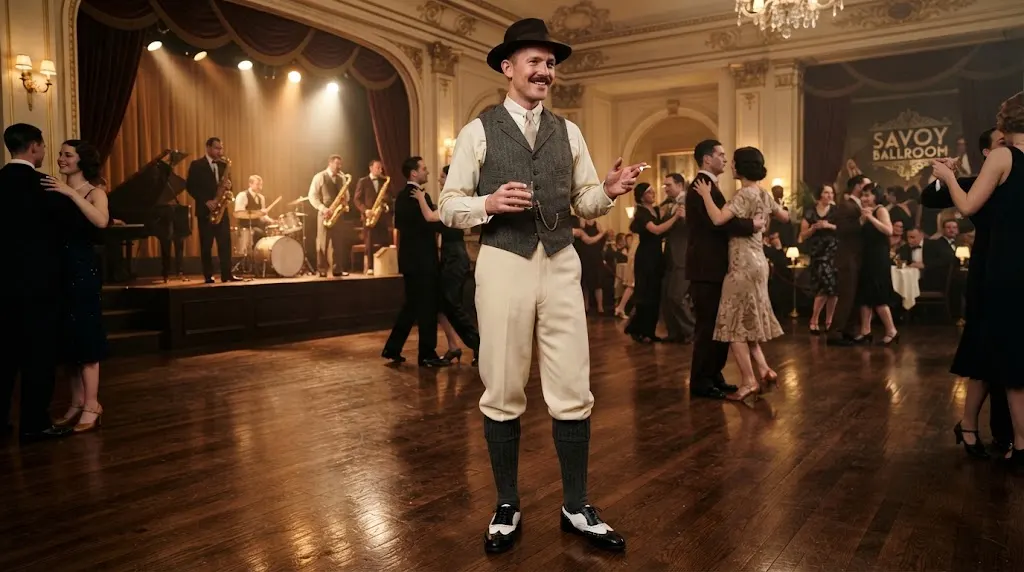
Spectator shoes were among the most recognizable footwear styles of the Jazz Age.
They usually featured two contrasting colors, creating a noticeable appearance.
Black and white was a classic combination, although other color combinations were also used.
Spectator shoes became strongly associated with leisure, sports, dancing, and social activities.
They were especially popular among men who wanted their clothing to have more personality.
Unlike simple black formal shoes, spectators immediately attracted attention.
4. Two-Tone Shoes
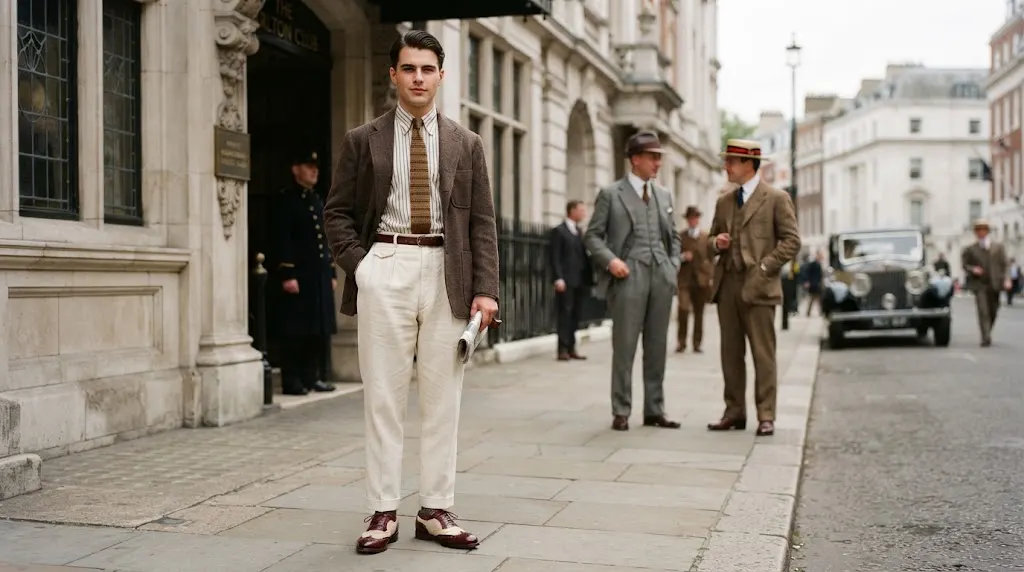
Two-tone footwear was not limited to one particular design.
Different colors or materials could be combined to create a distinctive appearance.
These shoes fit naturally with the more expressive side of 1920s clothing.
They worked particularly well for:
- Dancing
- Social gatherings
- Weekend outings
- Sports events
- Leisure activities
Two-tone shoes were less conservative than plain black formal shoes, making them a good choice for men who wanted a more noticeable look.
5. 1920s Men’s Dress Shoes
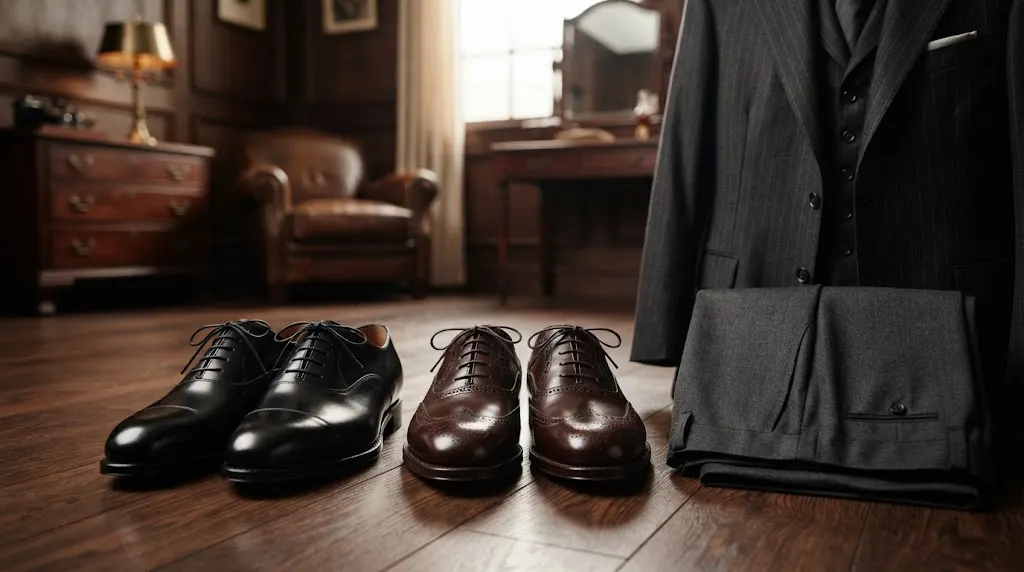
Dress shoes were important for office clothing and formal occasions.
A typical pair was made from polished leather and kept in good condition.
Black shoes worked particularly well with dark suits.
Brown footwear could be paired with lighter or less formal suits.
The shape was generally neat and structured.
Men were expected to keep their shoes clean and polished, especially when wearing formal clothing.
6. 1920s Men’s Boots
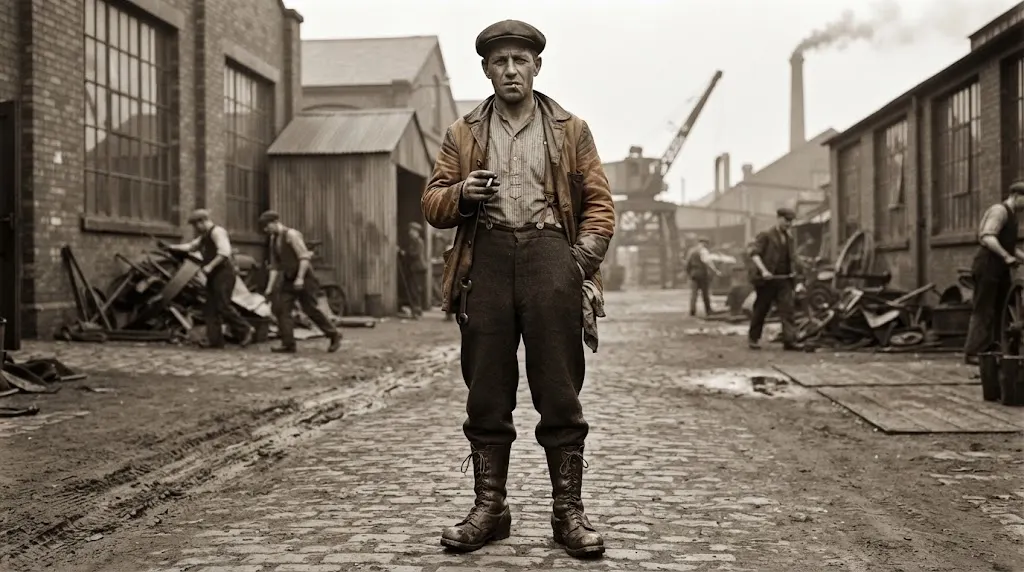
Boots remained useful during the decade, particularly for work, outdoor activities, and colder weather.
Leather boots offered protection and durability.
Some men also wore boots with everyday trousers when weather or work conditions required stronger footwear.
While dress shoes were preferred for many formal occasions, boots remained an important practical option.
Their usefulness made them especially valuable for men who spent time outdoors.
7. 1920s Work Shoes
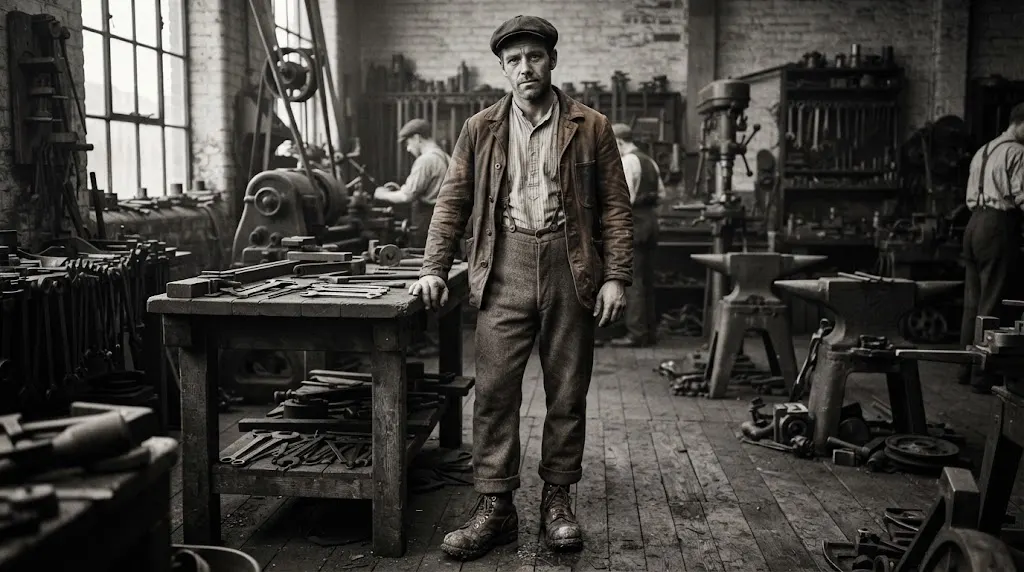
Working men needed footwear that could handle long hours and difficult conditions.
Work shoes were generally made from sturdy leather and designed with durability in mind.
They were not as decorative as fashionable dress shoes.
Practicality was more important than appearance.
Workers could pair sturdy shoes or boots with trousers, suspenders, shirts, jackets, or overalls.
This footwear formed an important part of working-class clothing during the decade.
8. 1920s Golf Shoes
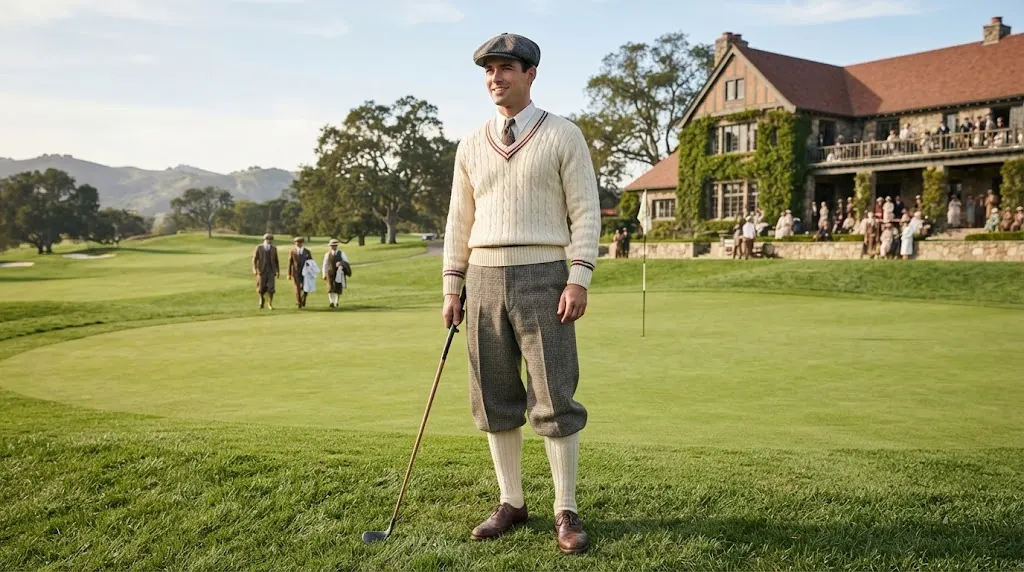
Golf became an increasingly popular activity during the 1920s, and clothing designed for the sport also gained attention.
Men often wore knickers or plus-fours with long socks, sweaters, shirts, and appropriate footwear.
Golf shoes were designed to provide stability while walking and playing.
They were part of a broader growth in sportswear that gave men more options outside traditional formal clothing.
You can see how footwear fitted into the wider casual wardrobe in our 1920s Men’s Casual Fashion guide.
9. Leather Shoes
Leather was a major material for men’s footwear.
It was durable, practical, and capable of being polished.
Quality leather shoes could be maintained for years when properly cared for.
Different finishes and colors allowed men to choose footwear for different levels of formality.
Smooth black leather was well suited to formal outfits, while brown leather could create a more relaxed appearance.
1920s Men’s Shoe Colors
Black and brown were among the most useful shoe colors.
Black shoes worked naturally with formal suits and evening clothing.
Brown shoes were flexible enough for daytime and casual outfits.
Two-tone shoes allowed men to experiment with stronger contrasts.
The best color depended on the rest of the outfit.
| Shoe Color | Best Use |
|---|---|
| Black | Formal suits and evening wear |
| Dark brown | Business and daytime outfits |
| Light brown | Casual and lighter clothing |
| Black and white | Spectator and leisure styles |
| Brown and white | Casual and sporting outfits |
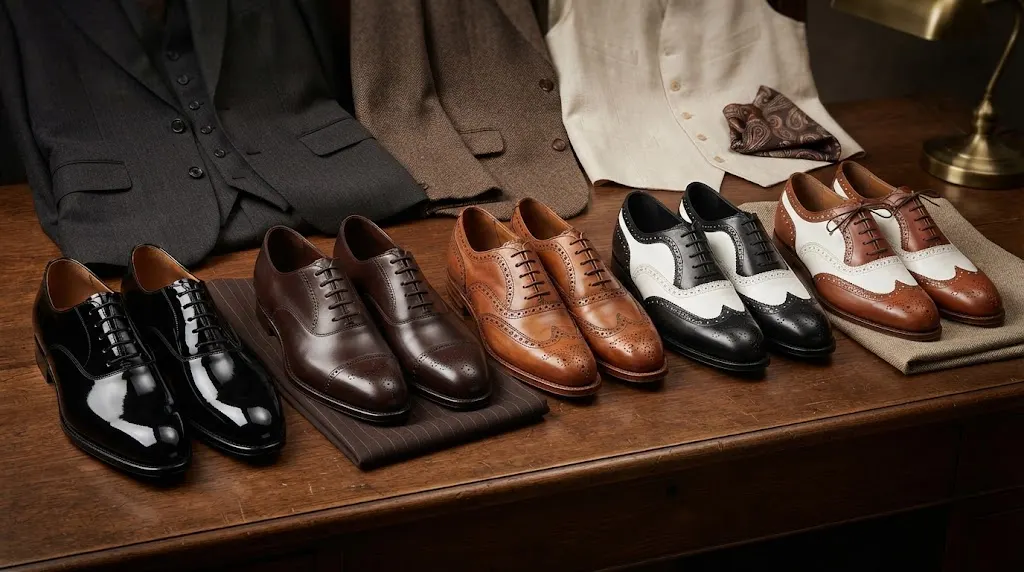
1920s Shoes With Suits
Shoes were carefully matched with suits.
A dark three-piece suit looked best with polished dark leather footwear.
Brown shoes could work well with brown, tan, or lighter-colored suits.
Brogues offered a little more visual detail while still looking smart.
The overall goal was coordination.
The shoes did not have to be identical to the suit, but they needed to fit its color and level of formality.
For more information about the suits themselves, see our 1920s Men’s Suits guide.
1920s Formal Shoes
Formal occasions required more conservative footwear.
Black leather Oxfords were a dependable option for evening events.
The shoes were usually polished carefully and kept free of visible damage.
Formal shoes were designed to complement tuxedos and dark suits rather than compete with them.
A simple shoe could often make a stronger formal impression than a highly decorative style.
For the complete evening outfit, see our guide to 1920s Men’s Formal Wear.
1920s Casual Shoes
Casual footwear gave men more freedom.
Brown leather shoes, brogues, two-tone shoes, and sturdy outdoor footwear could be worn with relaxed clothing.
The choice depended on the activity.
A man going to a weekend social event might choose spectator shoes, while someone spending the day outdoors could prefer stronger boots or practical shoes.
This variety reflected the growing importance of casual dressing during the decade.
Shoes and 1920s Men’s Accessories
Footwear was only one part of a complete outfit.
Men often coordinated their shoes with other accessories such as:
- Belts
- Suspenders
- Hats
- Watches
- Pocket squares
- Ties
- Gloves
Suspenders were particularly common because trousers were generally worn high on the waist.
A hat could also help complete the color and character of an outfit.
The combination of shoes, clothing, and accessories created a balanced appearance.
How Men Maintained Their Shoes in the 1920s
Good shoe care was important.
Leather footwear could last longer when it was cleaned, polished, and stored properly.
Men could use polish to restore shine and improve the appearance of leather.
Shoes also needed to be allowed to dry after exposure to rain or moisture.
Proper care was especially important when footwear was expensive or regularly worn with formal clothing.
A polished pair of shoes could make even a simple outfit look more refined.
How 1920s Shoe Styles Changed Men’s Fashion
The 1920s gave men more freedom to choose footwear based on lifestyle.
Formal shoes remained important, but sports and leisure created demand for different designs.
Spectator shoes showed the playful side of the decade.
Brogues combined decoration with practicality.
Boots remained useful for work and outdoor activities.
This wider range of footwear helped support the growing separation between formal, casual, and sporting clothing.
How to Wear 1920s-Inspired Shoes Today
You do not need to wear a completely vintage outfit to use 1920s-inspired footwear.
A pair of classic leather Oxfords can work with a modern suit.
Brogues can add vintage character to chinos or tailored trousers.
Spectator shoes can create a stronger Jazz Age appearance when paired with high-waisted trousers and a simple shirt.
For a modern interpretation, focus on one vintage-inspired detail rather than trying to recreate the entire decade.
The result will look more natural and easier to wear.
A Simple 1920s-Inspired Shoe Guide
If you want to choose a pair based on the occasion, use this simple guide:
For formal events:
Choose black leather Oxfords or another polished dress shoe.
For business clothing:
Try black or brown Oxfords or brogues.
For casual outfits:
Brown leather shoes or brogues work well.
For a strong vintage look:
Choose two-tone spectator shoes.
For outdoor activities:
Look for sturdy boots or practical sporting footwear.
The right choice depends on the clothing, location, and level of formality.
Why 1920s Men’s Shoes Are Still Popular
Many footwear styles from the 1920s remain familiar today.
Oxfords and brogues are still common in men’s wardrobes.
Two-tone shoes continue to appear in vintage-inspired fashion.
The reason these styles remain useful is their simple construction and classic appearance.
They can be combined with modern clothing while still adding a historical touch.
The decade also demonstrated the importance of choosing shoes according to the occasion, an idea that remains relevant today.
Conclusion
1920s men’s shoes were practical, stylish, and closely connected to the rest of the wardrobe.
Oxfords and brogues offered dependable options for everyday and formal clothing, while spectator shoes and other two-tone styles gave men more room for personal expression.
Boots and work shoes provided durability, while sporting footwear supported the growing interest in activities such as golf.
Shoes were not simply an afterthought.
They helped complete the outfit and showed whether a man was dressing for business, formal events, leisure, or outdoor activities.
Today, these classic styles remain easy to adapt.
A pair of polished Oxfords, detailed brogues, or bold spectator shoes can bring a subtle touch of 1920s character to a modern wardrobe.
Frequently Asked Questions
What Were the Most Popular Men’s Shoes in the 1920s?
Oxfords, brogues, spectator shoes, leather dress shoes, boots, and sporting footwear were among the popular choices.
Did Men Wear Spectator Shoes in the 1920s?
Yes. Two-tone spectator shoes became strongly associated with leisure, sports, dancing, and social activities during the decade.
What Color Shoes Did Men Wear in the 1920s?
Black and brown were common choices. Two-tone combinations such as black and white were also popular for more expressive casual and leisure outfits.
Did Men Wear Boots in the 1920s?
Yes. Leather boots remained useful for work, outdoor activities, and colder weather.
What Shoes Went With a 1920s Suit?
Black or brown leather Oxfords and brogues were suitable choices. The color depended on the suit and occasion.
Are 1920s Men’s Shoes Still Popular Today?
Yes. Oxfords, brogues, and other classic leather styles remain common today, while spectator shoes continue to appeal to people interested in vintage fashion.