
There is a particular kind of relief in finding a pair of jeans that truly fits after 50. No tugging, no gaping at the waist, no awkward bunching — just denim that sits where it should and lets you get on with your day. Most women spend years settling for jeans that are almost right. This guide to the best jeans for women over 50 is about ending that compromise: which rises, cuts, washes, and fabrics genuinely flatter a mature figure, and how to choose them with confidence.
Jeans are the hardest-working item in almost every wardrobe, and after 50 that is even more true. The right pair carries you from errands to dinners looking polished with almost no effort. The wrong pair can undo an otherwise perfect outfit in seconds. The difference almost always comes down to fit — and fit is a learnable skill, not luck.
Why Jeans Deserve More Attention After 50
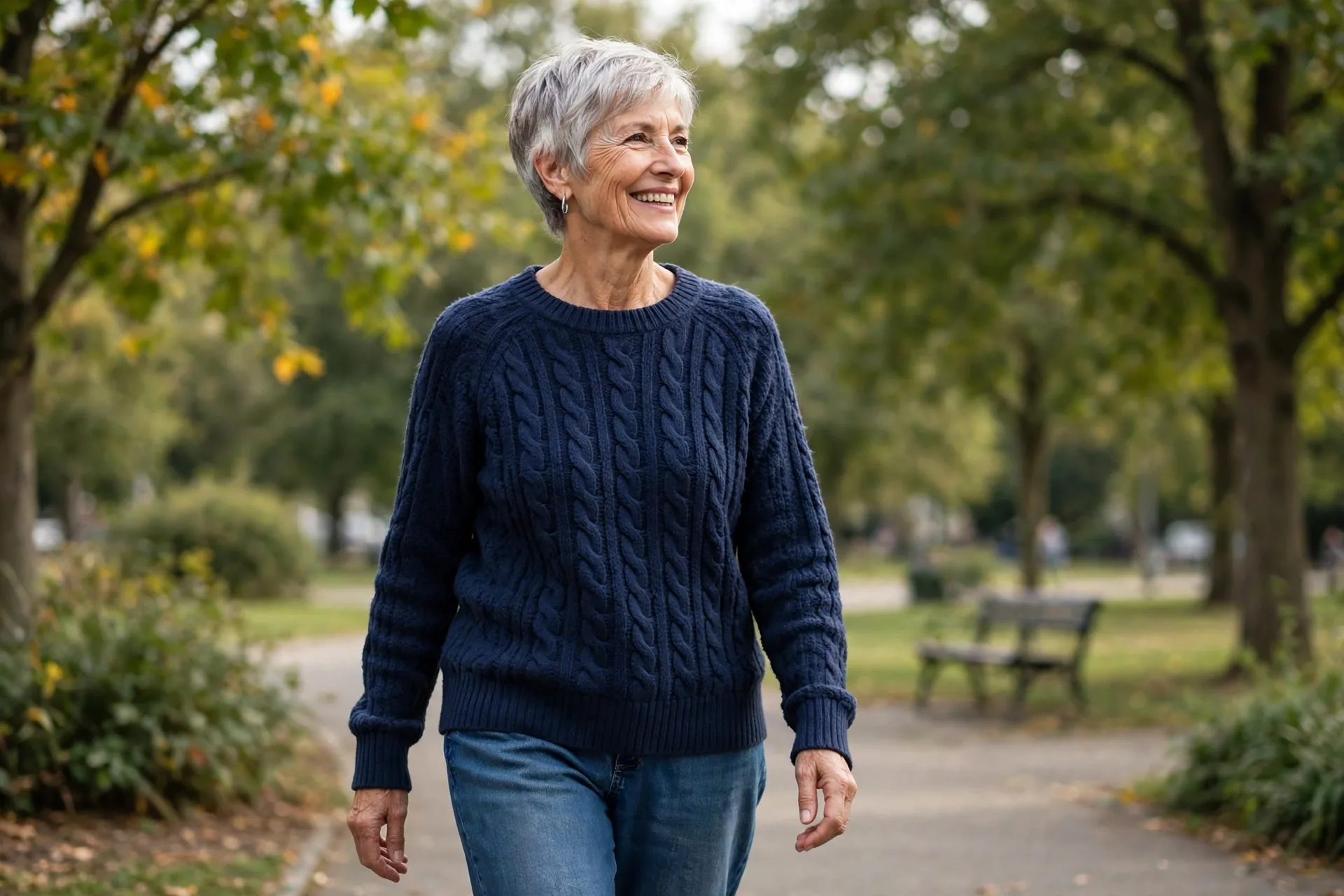
Bodies change over the decades: waists thicken, hips shift, proportions redistribute. Jeans designed for a twenty-year-old’s frame rarely account for any of that, which is why so many women over 50 quietly give up on denim — or worse, keep wearing pairs that make them feel uncomfortable all day.
But the denim market has quietly transformed. Dedicated fits for mature figures, better stretch technology, and rises that actually stay put mean there has never been a better time to find your pair.
Before anything else, know your real measurements — waist and inseam at minimum. Our jeans size converter translates between US, UK, and EU sizing in seconds, which removes the most common source of bad purchases: guessing between systems.
Rise First: Why High-Rise Wins After 50
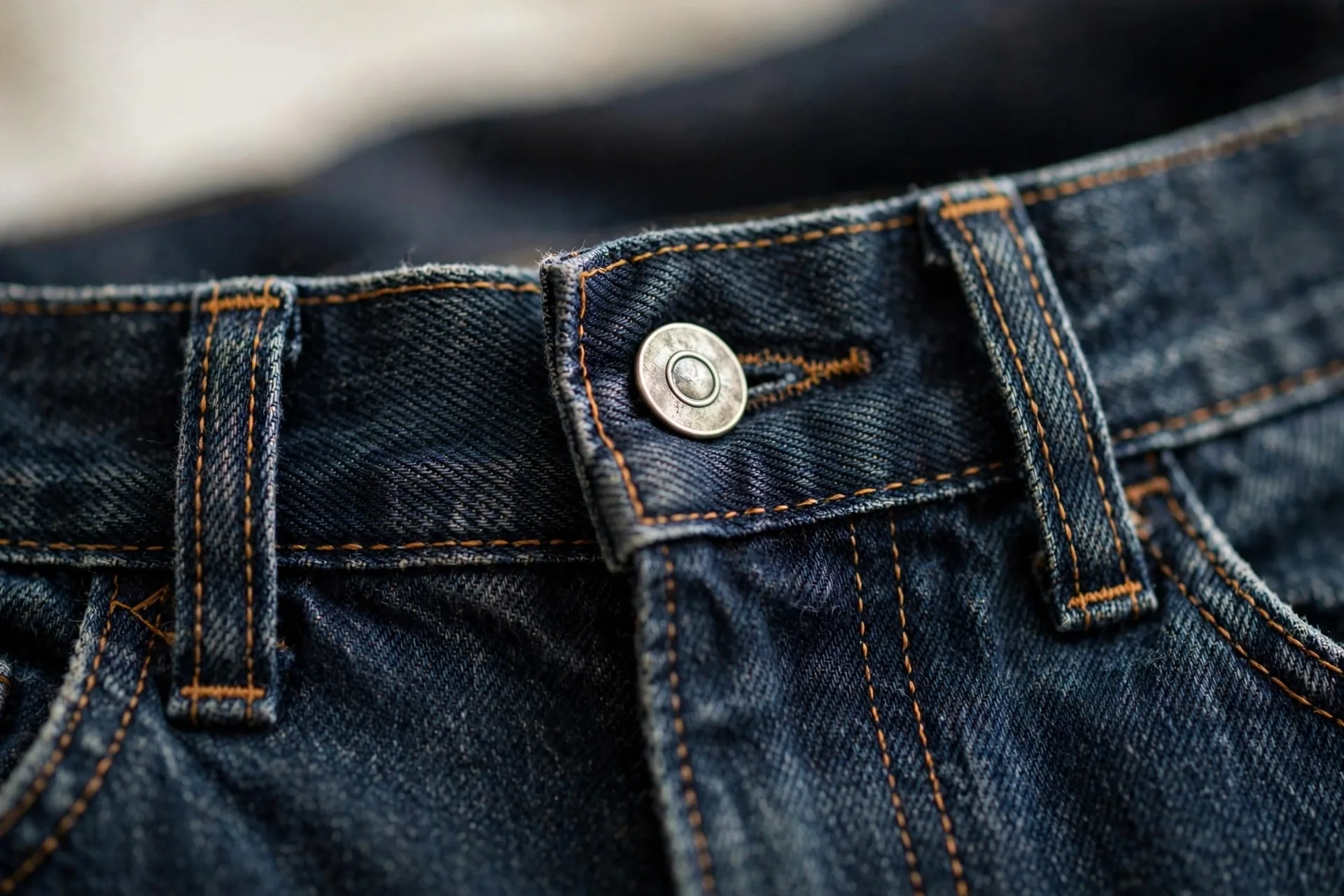
If you take one thing from this guide, let it be this: rise matters more than any other single detail. The rise — the distance from crotch to waistband — determines whether jeans stay where you put them.
- High-rise (10–12 inches) is the most flattering choice for most women over 50. It sits at or just above the natural waist, holds the midsection smoothly, eliminates the waistband gap, and visually lengthens the legs. This is the default to try first.
- Mid-rise (8–10 inches) works well for shorter torsos or anyone who finds high-rise uncomfortable when sitting. It sits just below the natural waist and still offers decent coverage.
- Low-rise is the one to approach with caution. It tends to create spillover, requires constant hitching, and shortens the leg line visually. There are exceptions, but they are rare.
The right rise also depends on your torso length: long torsos generally need a higher rise to reach the natural waist, while short torsos can look overwhelmed by very high rises. Try both high and mid, sit down in the fitting room, and choose the one that stays comfortable and gap-free in both positions.
The Cuts That Flatter Most
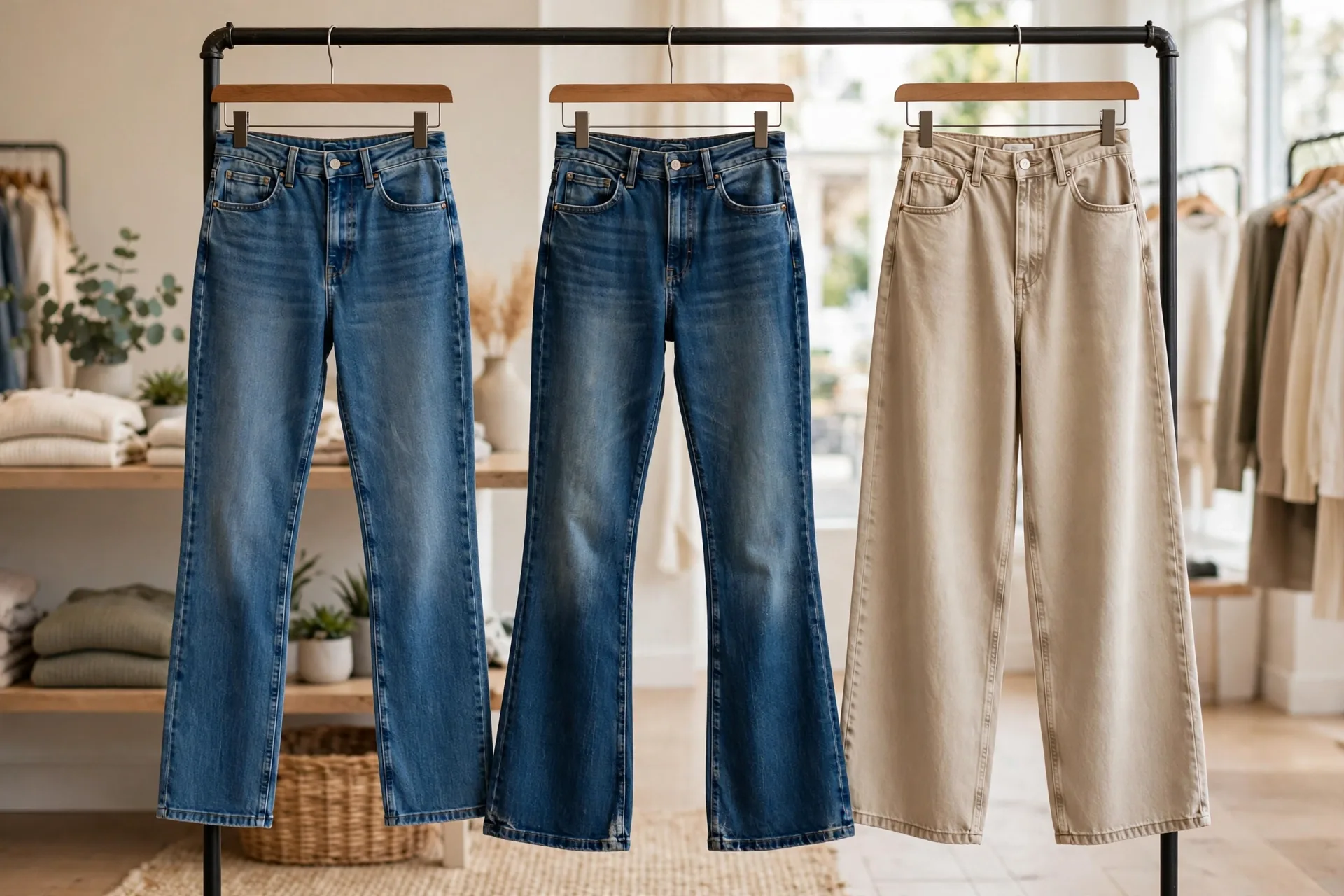
Once the rise is right, the leg shape decides the silhouette. These four cuts earn their place in a mature wardrobe:
Straight-leg. The undisputed workhorse. A straight leg from hip to ankle balances hips, suits every shoe from sneakers to boots, and never looks dated. If you buy one pair, make it a dark-wash straight leg in a high rise.
Bootcut. Slightly flared from the knee, the bootcut balances wider hips and looks beautiful with a heeled boot or block heel — the flare skims the shoe and lengthens the leg. Keep the flare subtle; exaggerated flares read costume rather than classic.
Relaxed and loose. The modern relaxed jean — roomy through hip and thigh, gently tapered — is a gift for anyone who finds slim fits uncomfortable. It looks current, feels easy, and pairs beautifully with a tucked-in blouse or fitted knit to keep the silhouette defined.
Wide-leg. High-rise wide-leg jeans are the most elegant denim silhouette available right now: they skim over everything, create a long unbroken line, and look polished enough for dinner with the right top. Petite women should choose a cropped wide-leg that shows the ankle to avoid being overwhelmed.
Wash and Color: The Denim Shades That Work Hardest
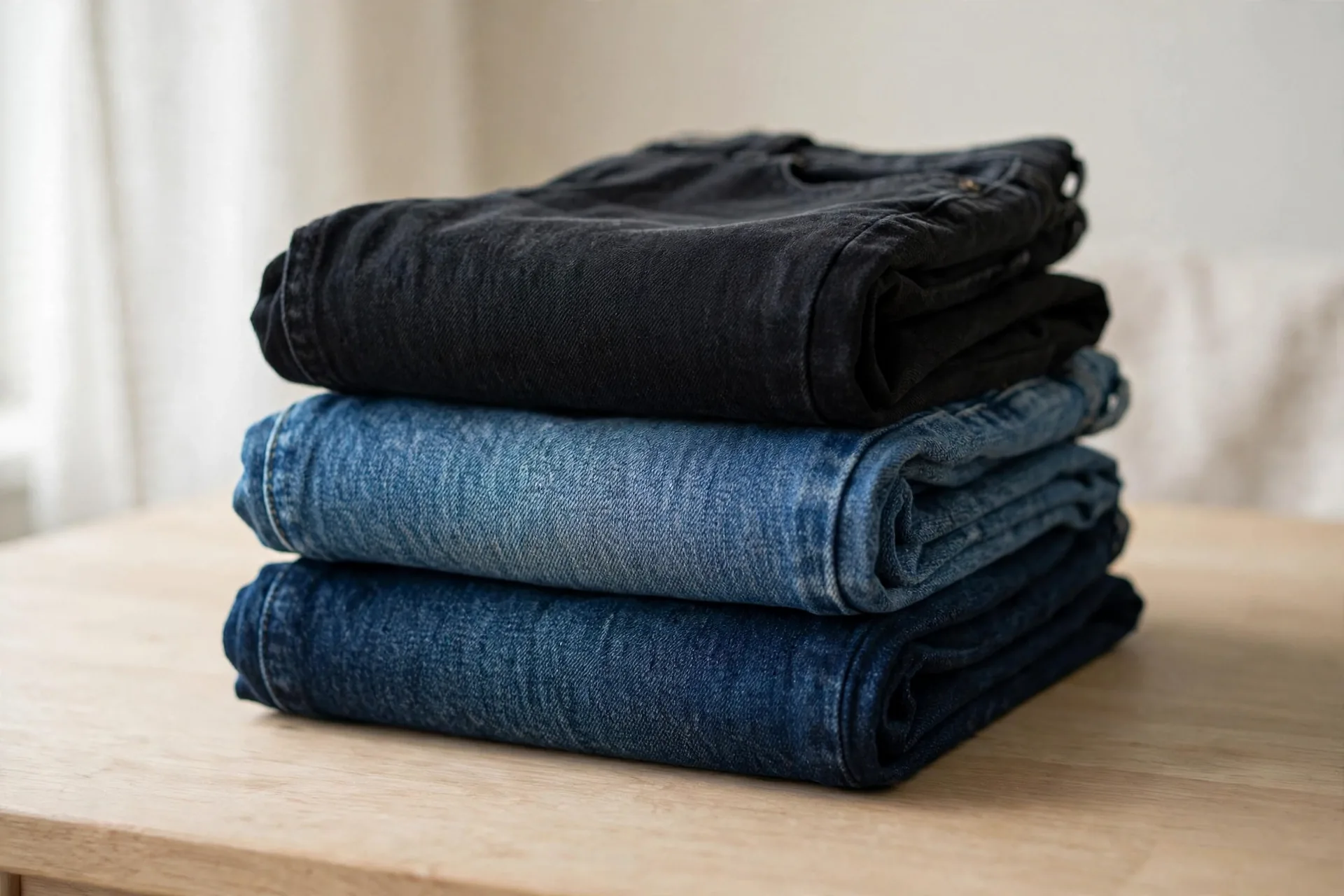
Color changes everything about how jeans read — casual or polished, slimming or stark. The washes that work hardest after 50:
- Dark rinse / raw indigo: the most versatile and slimming wash. Dark denim looks dressier, hides imperfections, and pairs with everything from blazers to evening tops. Every wardrobe needs one pair.
- Medium wash: the friendly everyday blue. Slightly more casual than dark rinse, perfect for daytime, weekends, and travel.
- Black denim: not quite trousers, not quite jeans — black jeans bridge casual and smart beautifully. Choose a true deep black (not faded charcoal) and watch for fading; wash inside out in cold water.
- White and ecru: glorious in warm months and far more wearable than their reputation suggests. Look for a substantial fabric with no transparency, and a high rise with a clean front — no whiskering across the hips.
Details to favor: clean fronts with minimal whiskering (fading lines across the hips add visual width exactly where most women don’t want it), tonal stitching, and classic five-pocket styling. Heavy distressing and extreme fading tend to fight a polished look — a little character is fine, shredded knees are a choice.
Fabric Matters: Stretch, Weight and Recovery
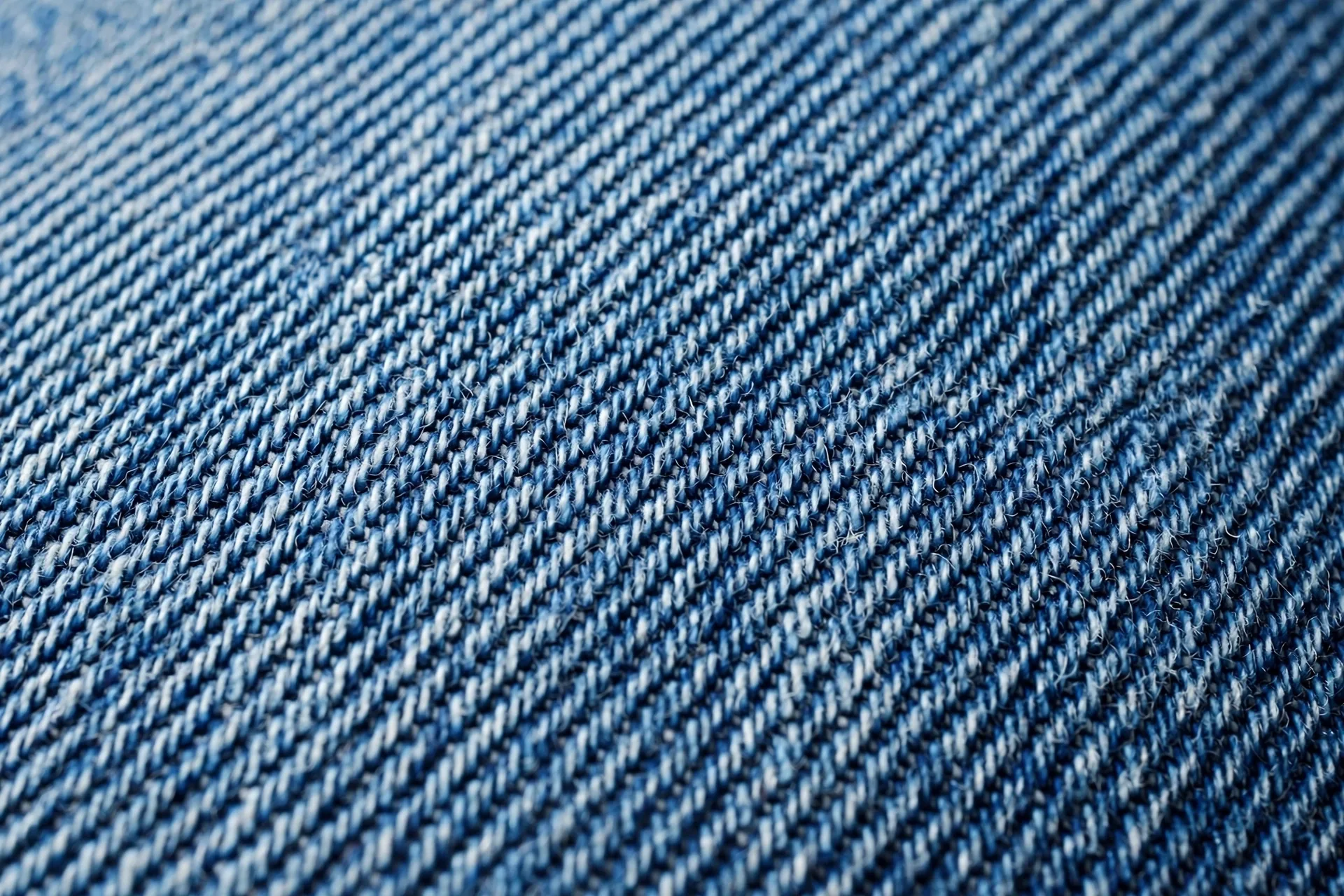
Denim composition is the hidden variable behind comfort. Here’s how to read a label:
- A little stretch (1–3% elastane) is the sweet spot for most women over 50. It adds comfort through the waist and hips, prevents the dreaded end-of-day sag, and makes sitting comfortable. More than about 4% elastane and jeans start to behave like leggings — they lose structure and bag out faster.
- Mid-weight denim (10–13 oz) holds its shape, smooths, and looks more premium. Very lightweight denim shows every line; very heavy rigid denim can feel unforgiving until broken in.
- Recovery is the fabric’s ability to snap back after stretching. Good recovery means jeans look the same at 8pm as they did at 8am. If a pair bags at the knees after one wear in the store, it will only get worse.
Cotton-rich blends with a touch of elastane remain the gold standard. Fully rigid 100% cotton jeans can be beautiful but demand precise sizing and a break-in period.
Fit Tips for Petite, Tall and Plus Figures
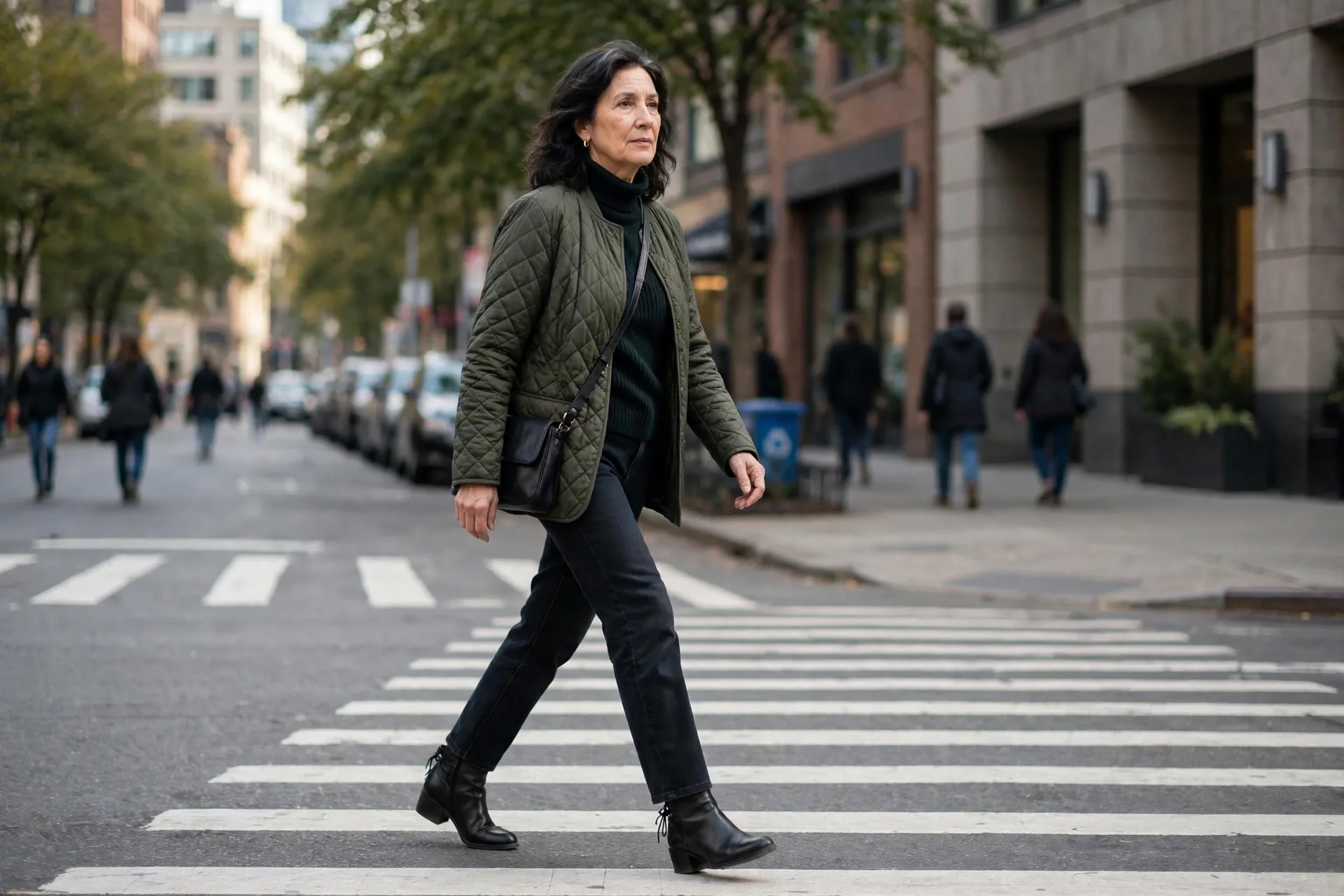
Standard sizing assumes a standard body, which almost nobody has. Adjust by frame:
Petite (5’4″ and under). Inseam is everything — look for short/ankle inseams (around 27–28 inches) or budget for hemming. Cropped and ankle-length styles show the shoe and lengthen the leg; avoid wide-legs that pool at the ankle and cuts that need significant alteration to work.
Tall (5’9″ and over). Seek long inseams (34″+) so ankles aren’t unintentionally exposed. Wide-leg and straight cuts show off long legs beautifully. Be wary of “ankle” styles that become floods on a taller frame.
Plus and curvy. High-rise is non-negotiable for a smooth waistline. Contoured waistbands (higher at the back) prevent gapping. Darker washes and clean fronts are most flattering; structured mid-weight denim with good recovery holds everything comfortably. Many brands now cut dedicated curvy fits with extra room through hip and thigh — they are worth seeking out.
Apple shapes. A higher rise that reaches the natural waist, a relaxed or straight leg, and tops worn over (not tucked into) the waistband create the smoothest line. Pear shapes benefit from darker washes on the bottom, bootcut or wide-leg to balance hips, and stretch through the thigh.
What to Avoid (and What to Try Instead)
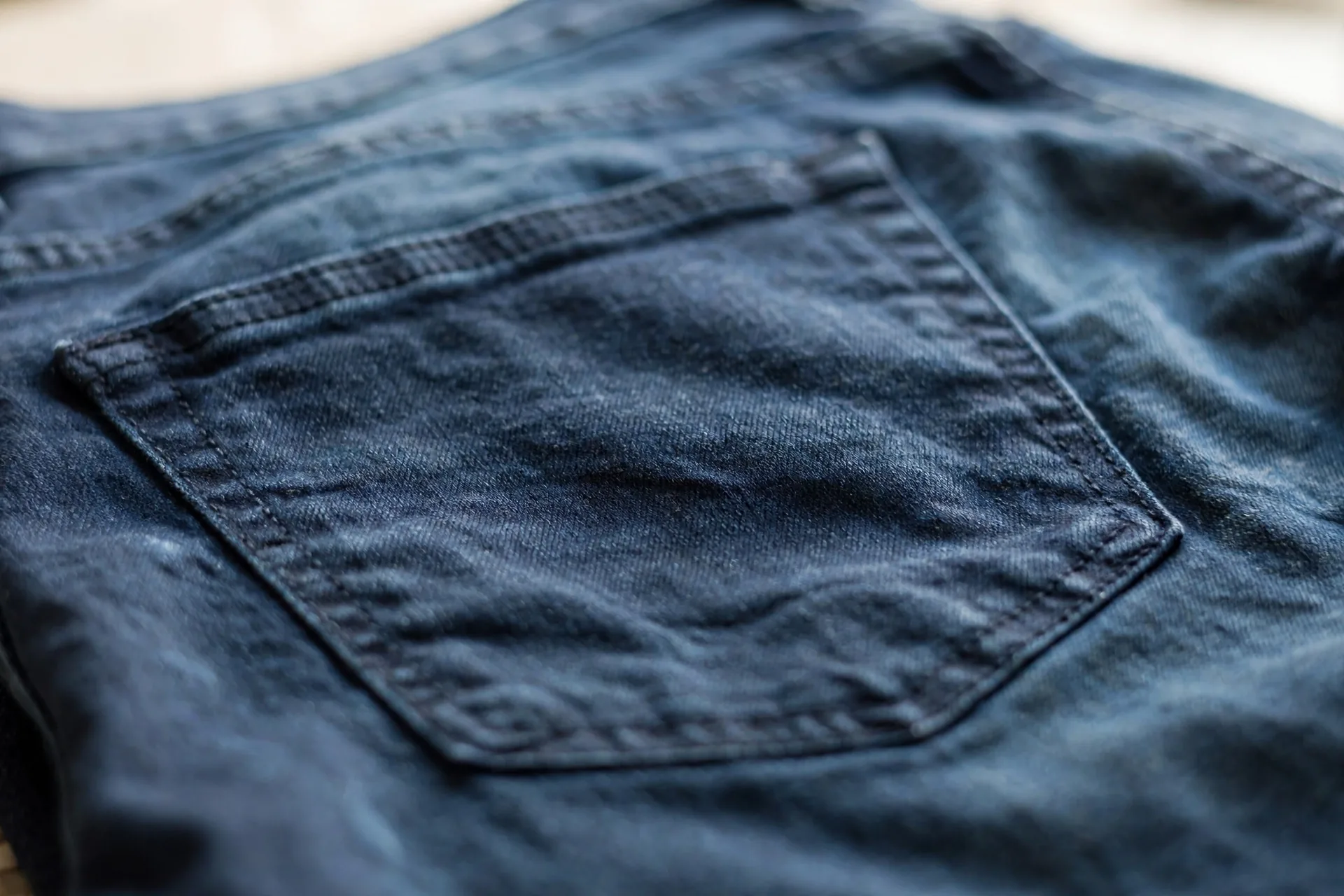
Nothing is truly forbidden — style is personal — but these are the most common denim regrets after 50, with easy swaps:
- Instead of low-rise that needs constant adjusting → a high-rise that stays put all day.
- Instead of ultra-skinny in thin, faded denim → a slim-straight in dark, substantial denim with stretch.
- Instead of heavy whiskering and rips → a clean dark rinse that looks polished everywhere.
- Instead of jeans that bag by evening → fabric with real recovery (test by stretching the knee in the store).
- Instead of the wrong length pooled over shoes → hemming, or ankle/crop lengths that show the shoe.
- Instead of a gaping waistband → a contoured waistband, or sizing for the waist and tailoring the leg.
The through-line: every “avoid” is really a fit problem with a fit solution. Jeans don’t fail women over 50 — wrong jeans do.
How to Style Them: Five Easy Formulas

Great jeans make getting dressed almost automatic. Five formulas that never fail:
- Dark straight-leg + crisp white shirt + loafers. Half-tuck the shirt, add a belt, done. This is the uniform of women who always look pulled together.
- Black jeans + black knit + ankle boots. A tonal column that lengthens everything; add a long necklace or scarf for interest.
- Medium-wash relaxed + striped Breton top + white sneakers. Weekend polish with zero effort — very French, very easy.
- High-rise wide-leg + fitted blouse tucked in + heeled mule. The tuck defines the waist; the wide leg does the drama. Dinner-ready denim.
- White jeans + navy blazer + tan flats. Fresh, classic, and far more interesting than it sounds. A blazer over jeans is one of the smartest pairings in a mature wardrobe.
For a complete day-to-night denim wardrobe, see our guide to styling jeans — and if you’re rebuilding the rest of your closet too, a capsule wardrobe built around one perfect pair of jeans is the fastest route to getting dressed without thinking.
Denim Care: Making a Great Pair Last
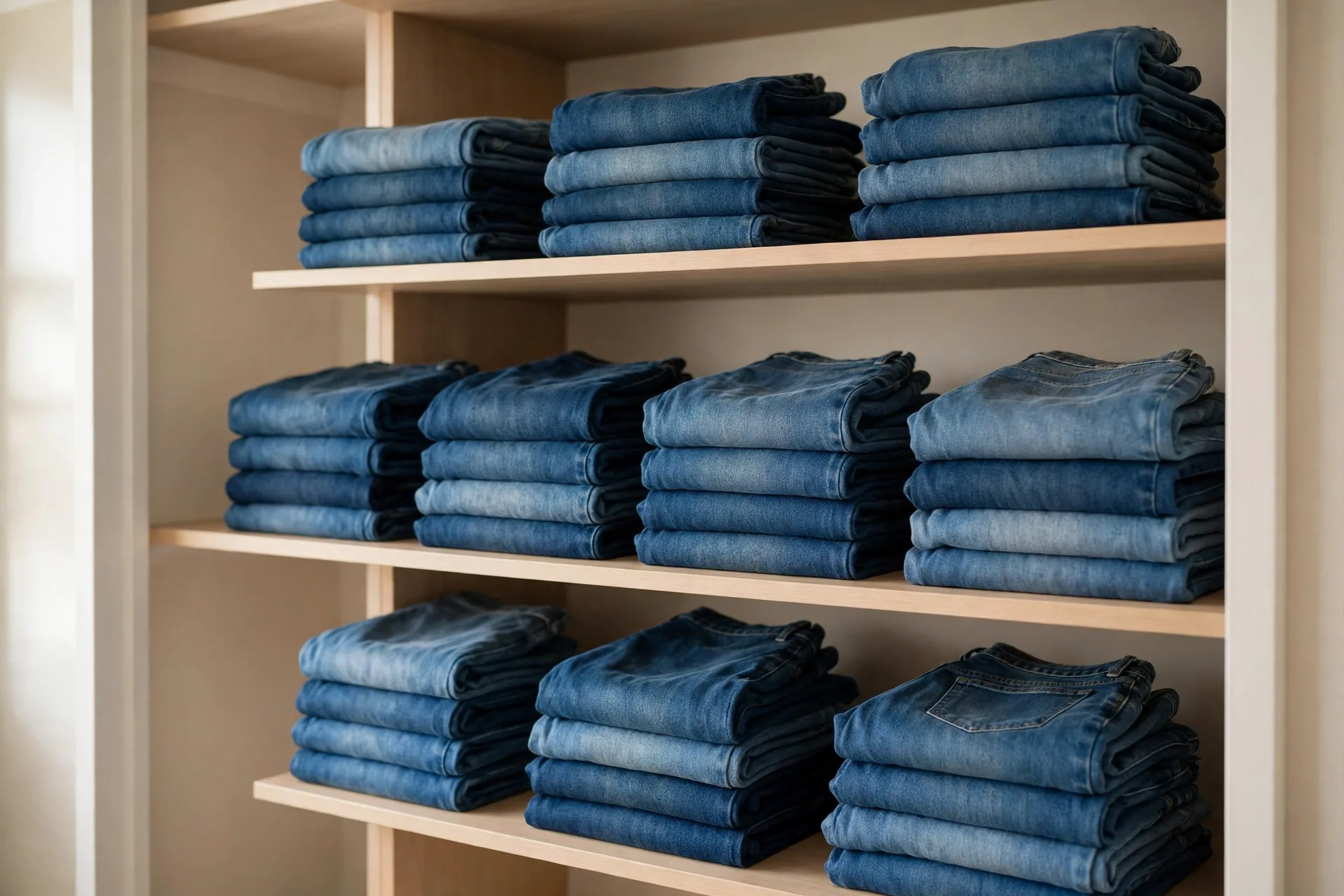
Good jeans are an investment; treat them like one. Wash rarely — every 8 to 10 wears is plenty unless they’re genuinely dirty; spot-clean between washes. Always wash inside out in cold water on gentle, and skip the dryer: heat destroys elastane and fades dye. Hang or lay flat to dry. For dark rinse and black denim, add a cup of white vinegar to the first wash to set the dye.
Rotate between at least two pairs so the elastane recovers fully between wears, and store folded rather than hung (hanging stretches the waistband over time). A great pair of jeans, cared for properly, should give you three to five years of regular wear — which makes the cost per wear almost unbeatable.
Jeans FAQs
What is the most flattering jean style for women over 50?
A high-rise straight-leg jean in a dark rinse flatters the widest range of figures: it smooths the midsection, lengthens the leg, and works with every shoe. Bootcut and wide-leg are excellent alternatives depending on your proportions.
Should women over 50 wear skinny jeans?
There’s no age ban on any cut — but most women find a slim-straight more flattering and comfortable than an ultra-skinny, especially in substantial dark denim. If you love skinnies, choose a high rise, dark wash, and pair them with a longer top or tunic.
What rise is best after 50?
High-rise (10–12 inches) suits most women over 50 because it sits at the natural waist, prevents gapping, and smooths the midsection. Mid-rise works better for short torsos. Sit down in the fitting room — the right rise stays comfortable in both positions.
How should jeans fit at the waist after 50?
Snug but not tight: you should be able to fit two fingers inside the waistband. The band should sit flat against your back with no gaping when you sit. A contoured (higher-at-the-back) waistband solves gapping for curvy figures.
Are expensive jeans worth it?
Often, yes — better denim, construction, and hardware genuinely last longer and hold their shape. But price isn’t everything: fit beats label every time. A mid-priced pair in the perfect cut outperforms a designer pair in the wrong one.
How many pairs of jeans does a woman over 50 need?
Three covers nearly everything: a dark-rinse straight leg for polished days, a medium-wash relaxed pair for casual days, and black or white depending on your lifestyle. Add more only once the core three are perfect.