
That wedding invite is sitting on your counter, and you’re already staring into your closet wondering what counts as “cocktail attire.” You’re not alone. Dress codes like black tie, semi-formal, and casual all sound similar but mean very different things.
The good news? Once you understand what each code actually asks for, dressing well becomes simple. Here’s a breakdown of every major wedding dress code, how to adjust for the venue, and the small details that make an outfit look put-together instead of thrown-on.
Wedding Style Basics Every Man Should Know
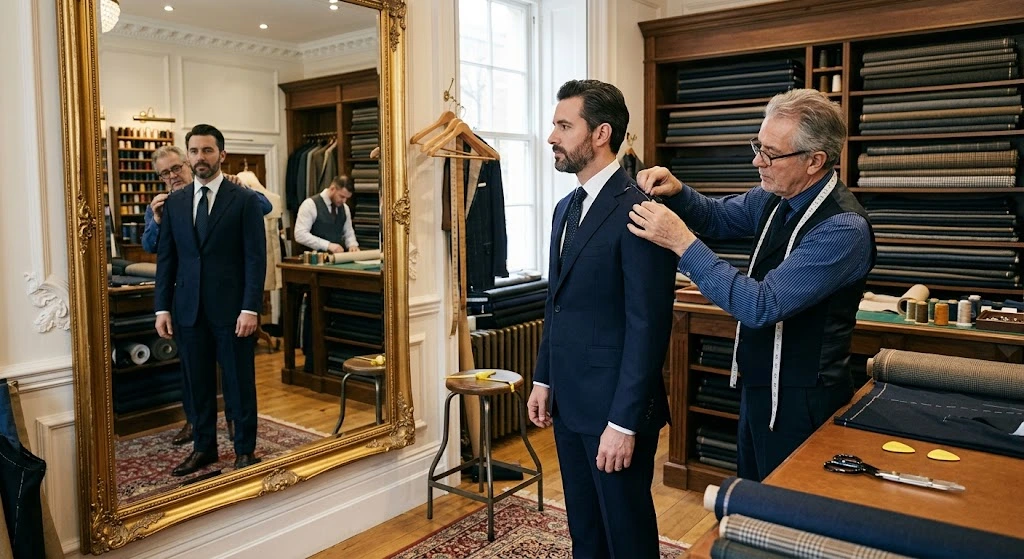
Most style mistakes at weddings come down to three things: fit, color, and reading the room.
Fit beats price. A mid-range suit that’s tailored to your body will always look better than an expensive one that doesn’t sit right. Shoulders should sit flat with no bunching, sleeves should reveal about half an inch of shirt cuff, and pants should break lightly at the shoe.
Color sets the tone. Lighter shades suit daytime weddings, while darker tones fit evening events. Steer clear of white, cream, or anything close to what the wedding party might wear.
When unsure, lean formal. You can always take off a jacket or loosen a tie if the room feels casual. Showing up underdressed is much harder to fix.
Wedding Dress Codes, Decoded
1. Black Tie
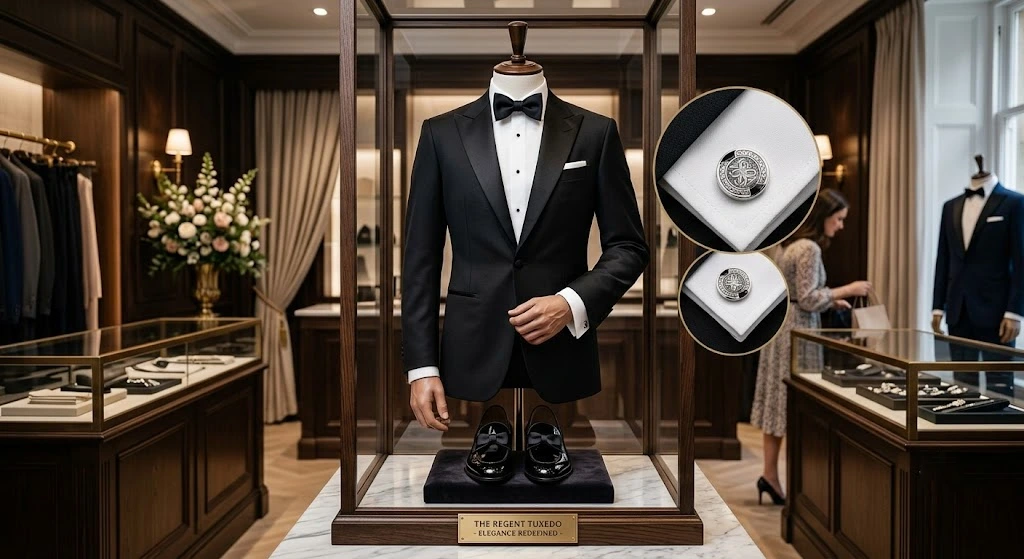
Black tie is the most formal wedding dress code, usually reserved for evening ceremonies in ballrooms or upscale venues after 6 PM.
The classic formula is a black tuxedo with satin lapels, paired with a crisp white dress shirt and a black bow tie. Patent leather shoes and simple cufflinks round things out. A bow tie holds its shape through dinner and dancing far better than a standard necktie, which is part of why it’s the traditional choice.
If a tuxedo isn’t in your closet, a very dark navy or black suit can work as a substitute, but keep the bow tie. It signals you understood the assignment.
2. Formal
Formal weddings ask for polish without the strict rules of black tie. A tuxedo is welcome if you own one, but a well-made suit in navy, charcoal, or black is equally appropriate.
Stick to quality fabrics, a white or pale dress shirt, and a silk tie. Polished Oxfords or sleek derby shoes finish the outfit, and a pocket square adds a touch of personality without breaking the formal mood.
3. Semi-Formal or Cocktail
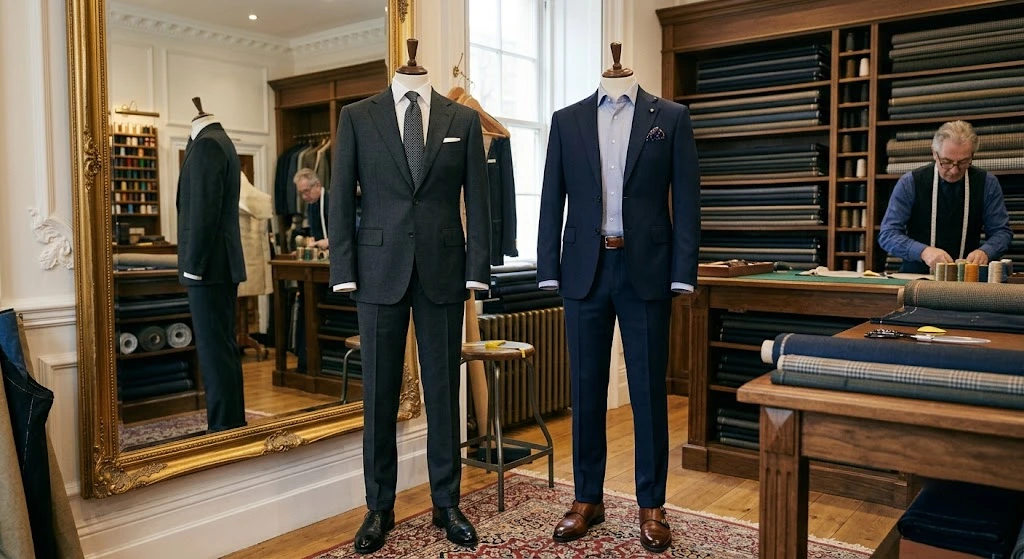
This is the middle ground: polished, but with room to show personal style. A well-fitted suit in a medium grey or navy, especially with subtle texture like a check pattern, hits the right note.
Semi-formal gives you space to experiment with patterned shirts, colored ties, or textured blazers. Brown or tan leather shoes warm up the look and tend to photograph well.
4. Casual or Outdoor
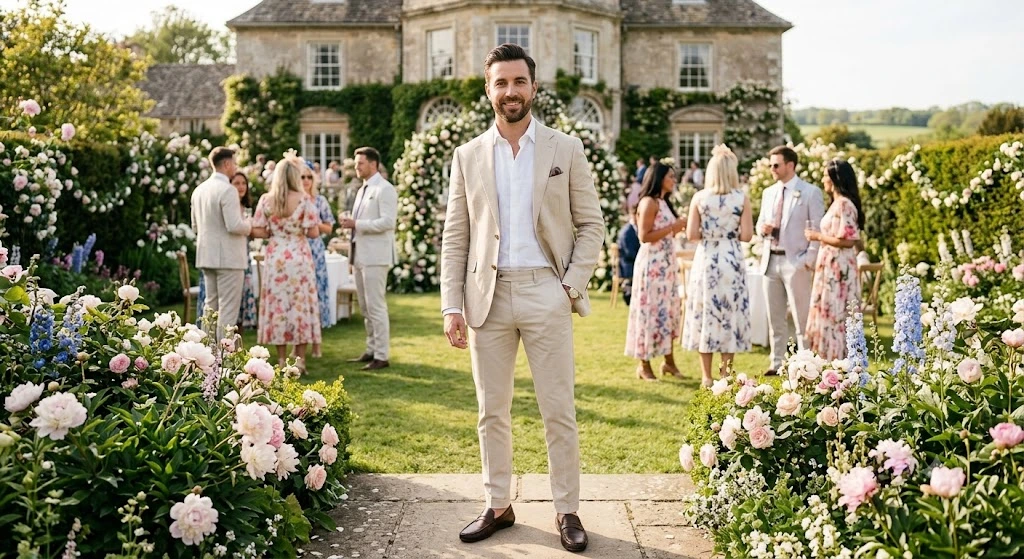
Casual weddings still deserve intention. Lightweight fabrics like linen or cotton in clean, simple pieces work best. A collared shirt with chinos or dress trousers keeps things appropriate, and skipping the tie is fine as long as everything looks neat and pressed.
Add a blazer if you want more structure. Loafers, boat shoes, or clean sneakers (if the invite says they’re okay) are all solid footwear choices.
5. Cultural or Themed Weddings
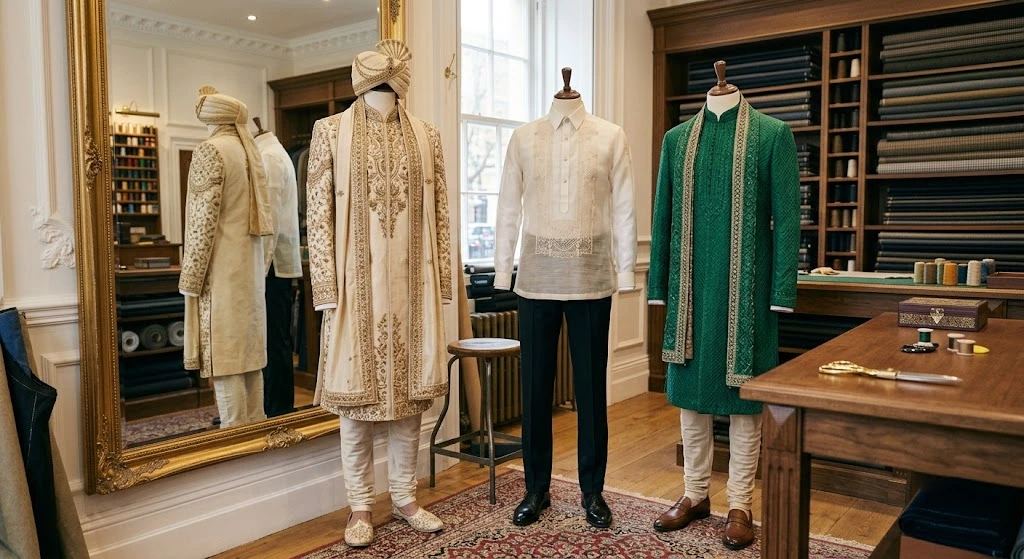
Cultural celebrations often call for traditional dress rather than a Western suit. For Indian weddings, that might mean a kurta or a full sherwani. For Filipino ceremonies, a barong is a fitting and appreciated choice.
If the invitation doesn’t specify, it’s always fine to ask the couple or their families what’s appropriate. They’ll appreciate the thoughtfulness.
Dressing for the Venue
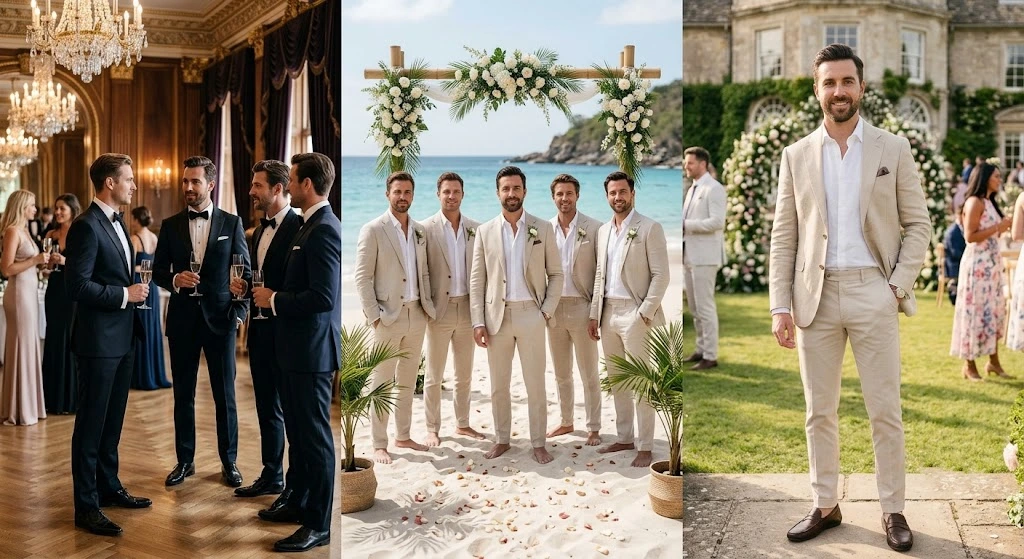
The location of the wedding shapes how your outfit should feel, even within the same dress code.
Outdoor or garden weddings: These tend to happen in spring or early fall and call for light grey, beige, or pastel tones that blend with the natural setting. Choose breathable fabrics you can move in comfortably on grass or uneven ground, and finish with brown loafers or brogues. Skip stiff tuxedos or shiny fabrics here.
Beach weddings: Think relaxed but intentional. Breathable linen shirts and trousers in ivory, tan, or light blue suit the setting, and espadrilles or loafers (no socks needed) handle sand better than dress shoes. Keep accessories minimal.
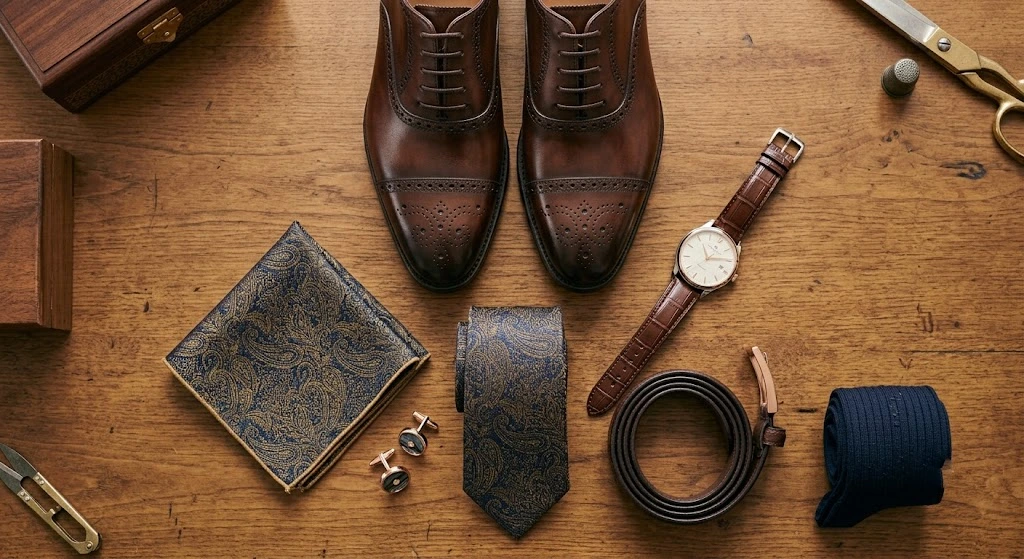
Hotel or ballroom weddings: These venues host formal events year-round, with winter and late fall as their busiest seasons. A tuxedo or dark suit works well under indoor lighting, paired with a white shirt, dark tie, and polished shoes. In colder months, a wool coat adds warmth without disrupting the silhouette. Subtle accessories, like cufflinks, a pocket square, and a sleek watch, complete a timeless look.
Quick Tips to Get It Right
- Follow the dress code stated on the invite. It’s part of respecting the couple’s vision for their day.
- Prioritize fit over price. A well-tailored mid-range suit always wins.
- Keep shoes clean and polished. They’re one of the first things people notice.
- Stick to timeless colors like navy, grey, and beige. They photograph well and never look dated.
- Invest in one versatile suit that can be restyled for multiple weddings.
- Avoid bright colors or loud patterns that pull attention away from the couple.
- Comfort matters. Confidence shows when you’re not tugging at your collar all night.
Final Thoughts
Once you understand the dress code and factor in the venue, getting dressed for a wedding stops being a guessing game. The best-dressed guest isn’t the flashiest one in the room, it’s the one whose outfit fits the occasion perfectly.
For more style guides and the latest in fashion, lifestyle, and entertainment, keep it locked to faminaz.com.