
Standing in front of a full closet and still feeling like you have nothing to wear is one of life’s most annoying moments.
The problem is rarely the clothes. It’s usually the colors. Too many shades fighting for attention can turn even expensive pieces into a messy, mismatched look.
Fashion stylists have quietly used a simple trick for years to fix this exact problem: the 3-color rule. It’s not complicated, it doesn’t require a shopping trip, and it works with clothes already sitting in your closet right now.
Once you understand it, getting dressed stops being a guessing game and starts being fast, easy, and honestly kind of fun.
What Is the 3-Color Rule?
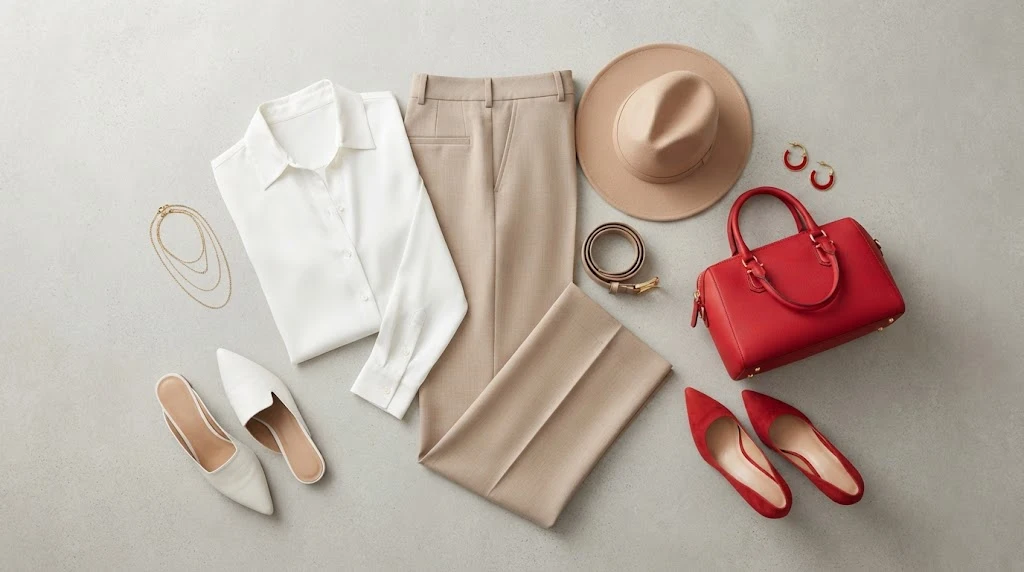
The 3-color rule is a simple styling method that keeps any outfit looking clean, balanced, and intentional. The idea is simple: stick to no more than three main colors in one look, counting clothes, shoes, and accessories.
This doesn’t mean the outfit has to be boring. It just means every color gets a clear job to do. Here’s the basic breakdown:
- Dominant color – covers the largest part of the outfit, like a jacket, dress, or trousers
- Secondary color – supports the dominant shade and adds depth
- Accent color – a smaller pop of color that pulls the whole look together
Think of it like a movie cast. One lead, one strong supporting role, and one scene-stealer. When each color knows its job, the outfit just works.
Why the 3-Color Rule Actually Works
Outfits fall apart visually when too many colors compete for attention at once. The eye doesn’t know where to look, and the whole look feels chaotic even if every individual piece is nice on its own.
Limiting an outfit to three colors solves this instantly. It:
- Creates a clear visual flow from head to toe
- Makes outfits look put-together without extra effort
- Cuts down decision fatigue in the morning
- Works for casual days, work outfits, and dressed-up events
Simple palettes almost always read as more expensive and more intentional than busy, multi-colored ones. That’s a trick professional stylists lean on constantly.
How to Choose Your 3 Colors
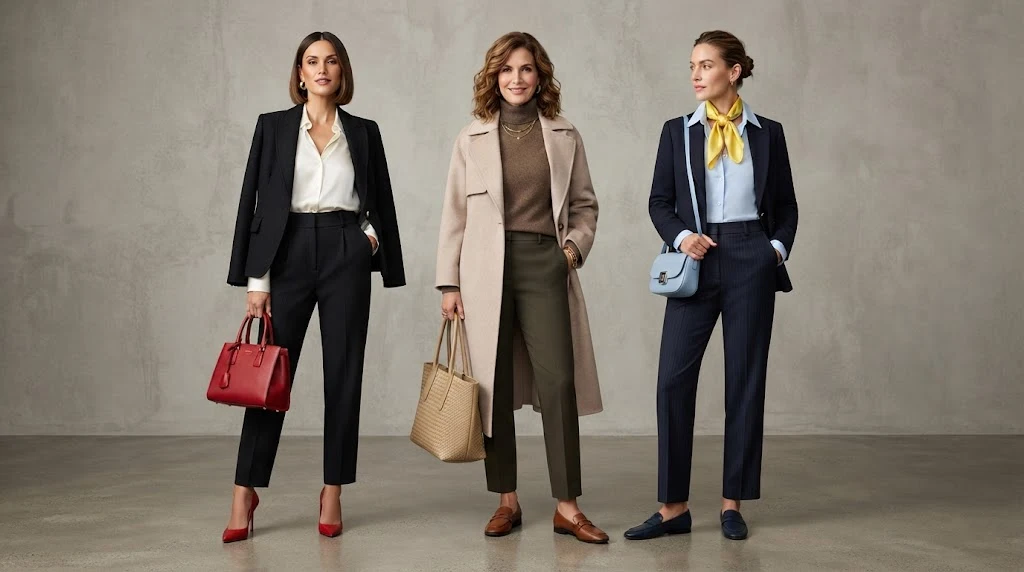
Picking three colors that actually work together is where most people get stuck. The trick isn’t random guessing. It’s building outward from a strong base.
Step 1: Pick a base color. This is your anchor and should usually be a neutral or muted tone, like black, white, beige, navy, or grey. It sets the tone for everything else.
Step 2: Add a secondary color. This color supports the base without stealing focus. Good pairings include olive with beige, blue with white, or brown with cream.
Step 3: Choose an accent. This is the fun part. A bold bag, bright shoes, or a statement scarf can instantly lift a simple outfit. A single vibrant accessory does more visual work than people expect, and it’s the easiest way to make a basic outfit feel styled.
Here are a few combinations that reliably work:
| Base Color | Secondary Color | Accent Color |
|---|---|---|
| Black | White | Red |
| Beige | Brown | Green |
| Navy | Light Blue | Yellow |
| Grey | White | Pink |
| Denim Blue | White | Tan |
Use this table as a starting point, then adjust based on the season, occasion, or your own personal taste.
How to Use the 3-Color Rule in Real Outfits
The best part of this method is how naturally it fits into everyday dressing. Here’s how it plays out across different styles.
Casual Outfits

Casual dressing is the easiest place to practice the rule, since comfort usually comes first anyway.
- White t-shirt + blue jeans + green sneakers
- Black hoodie + grey joggers + white shoes
These combinations work because no single color is competing for attention. Everything has breathing room.
Workwear

Office outfits need structure, and the 3-color rule adds instant polish without looking stiff.
- Navy blazer + white shirt + tan trousers
- Grey suit + black shoes + burgundy tie
The goal here is control. One color leads the outfit, one supports it, and one adds just enough personality.
Street Style
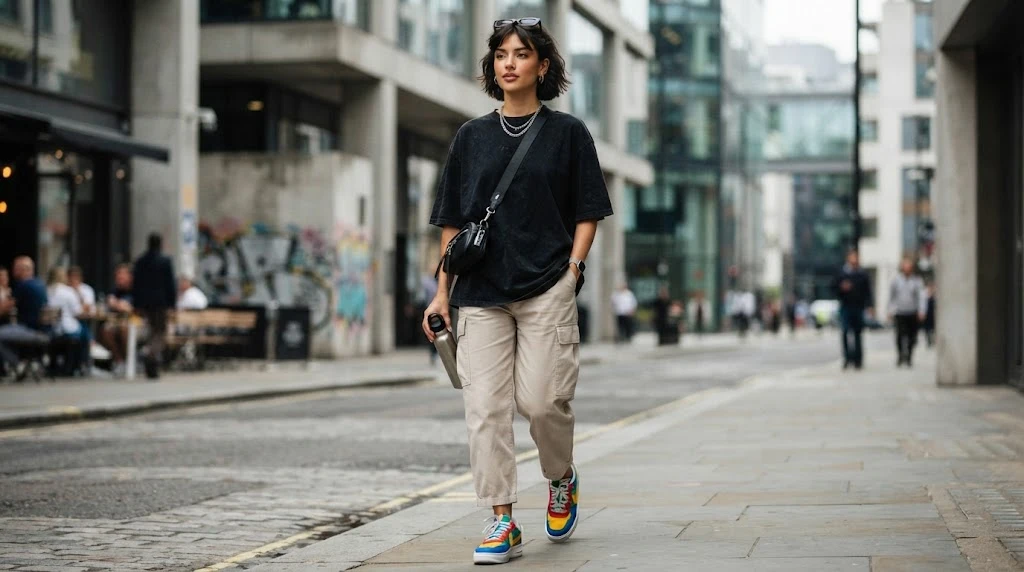
Streetwear allows more edge and experimentation, but the rule still keeps things from tipping into visual chaos.
- Oversized black tee + cargo pants + bright sneakers
- Denim jacket + white tee + bold cap
The strongest street style looks usually have one standout piece, with everything else quietly supporting it.
Across every style, the same pattern repeats: keep it simple, let one color lead, and use the third to bring energy to the outfit.
How to Wear Prints Without Breaking the Rule
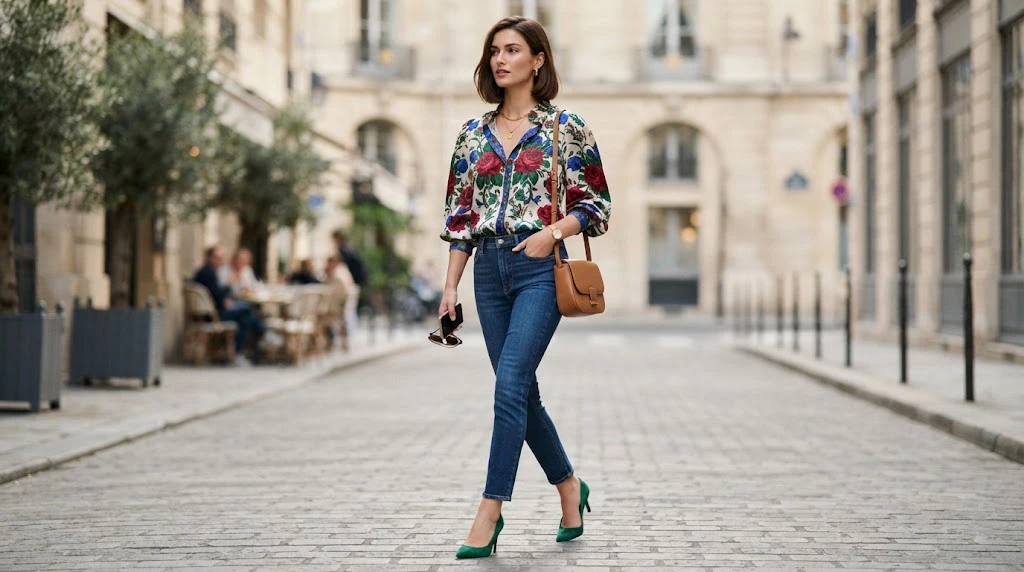
Prints can feel intimidating because a single patterned piece often already contains several colors. The good news is prints don’t break the 3-color rule. They just require a slightly different approach.
The key is letting the print lead instead of competing with it.
How to style prints correctly:
- Pick one color directly from the print to use as your base
- Match your remaining pieces to tones already present in the pattern
- Keep every other piece simple and solid-colored
Example: A floral shirt featuring red, green, and blue already has plenty going on. Pair it with blue jeans to keep things grounded, and add green shoes to echo a secondary tone from the print. The shirt stays the star of the outfit without turning into visual overload.
Common Mistakes That Break the 3-Color Rule
A few small slip-ups can throw off an otherwise solid outfit. Watch out for these:
- Sneaky extra colors. A random colored watch strap or patterned sock can quietly push an outfit past three colors.
- Clashing tones. Two bold colors with no neutral to balance them almost always compete instead of complementing each other.
- Ignoring light versus dark. Mixing shades without considering contrast can make an outfit look flat or accidental.
- Too much brightness at once. Multiple bold colors together can overwhelm the eye, even if they technically only add up to three.
The outfits that look the most effortless are almost always the ones where color is under control.
Final Thoughts
The 3-color rule doesn’t make dressing boring. It makes it easier. By giving every color a clear role in the outfit, this simple structure turns “what do I wear today?” into a quick, confident decision.
Once it clicks, outfits start feeling more consistent, more polished, and a lot less stressful to put together.
Frequently Asked Questions
What color makes a woman look younger?
Soft pastel shades like blush pink, baby blue, lavender, and mint green tend to create a fresh, youthful look.
What color hides belly fat best?
Dark, solid colors such as black, navy, charcoal grey, deep burgundy, and forest green absorb light and minimize the appearance of shadows around the midsection.
What color is replacing grey in interiors and fashion?
Warm, earthy neutrals are taking over from cool grey, with beige, taupe, mushroom, and creamy whites leading the shift.
For more style tips, trends, and everyday fashion inspiration, keep exploring faminaz.com