
If you’ve spent any time scrolling beauty content lately, you’ve probably seen the brow lamination vs microblading debate everywhere. Both treatments promise the same thing — better-looking brows with less daily effort — but they get there in completely different ways.
One smooths and lifts the hairs you already have. The other adds tiny pigment strokes under the skin to create brows that aren’t fully there yet. Picking the wrong one can mean wasted money, an awkward growing-out phase, or brows that just don’t match what you pictured.
This guide breaks down exactly how each treatment works, what they cost, how long they last, and which one fits your brow type and lifestyle. By the end, you’ll know which option — or combination — makes sense for you.
What Is Brow Lamination?
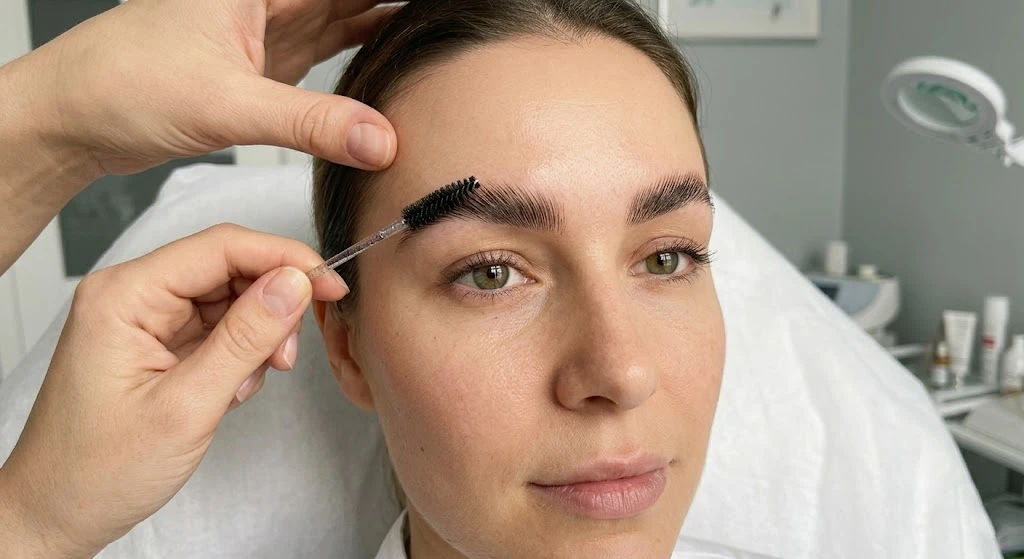
Brow lamination is a semi-permanent styling treatment that reshapes your natural brow hairs instead of adding anything new to them. Think of it as a perm, but for your eyebrows.
Here’s how a typical session works:
- A technician applies a lifting solution that softens the hair structure.
- Your brow hairs are brushed into the desired shape — usually upward and outward for a fuller, fluffed look.
- A setting solution (neutralizer) locks the hairs into that new position.
- A nourishing oil or serum is applied to finish.
The whole process takes about 15 to 45 minutes, and there’s no pain involved since nothing touches the skin’s surface in a way that breaks it. Results typically last 6 to 8 weeks, lining up closely with your natural brow hair growth cycle.
Brow lamination works best if you already have decent brow density but want a neater, more lifted shape without committing to daily gel or pencil.
Pros of Brow Lamination
- Budget-friendly — Sessions typically run $50 to $150, making it an easy treatment to try without a big financial commitment.
- Instant results — You walk out with fuller, lifted brows the same day, which makes it a great pre-event or pre-photoshoot option.
- Pain-free and non-invasive — The treatment only affects the hair itself, never the skin, so there’s virtually no risk of infection.
- Low commitment — If you don’t love the look, it grows out and fades within a couple of months.
- No downtime — You can return to your normal routine, including light makeup, almost immediately.
Cons of Brow Lamination
- Short lifespan — Since it only lasts 6–8 weeks, regular touch-ups add up. Over a year, that can mean $400 to $900+ in repeat sessions.
- No filling effect — It styles the hair you have; it can’t create the appearance of hair where there’s little or none.
- Hair fragility with overuse — Frequent chemical treatments can leave brow hairs dry or brittle, so most professionals recommend spacing sessions out and using a nourishing brow serum between appointments.
What Is Microblading?
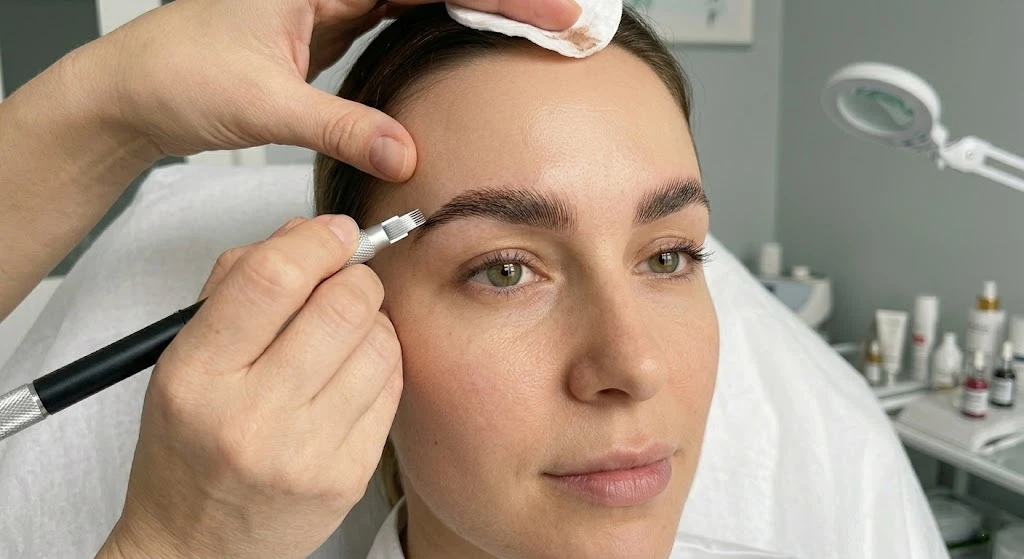
Microblading is a semi-permanent cosmetic tattooing technique. Instead of styling the hair you already have, it adds fine, hair-like pigment strokes beneath the top layer of skin to create the illusion of fuller, more defined brows.
A trained technician uses a handheld tool tipped with several tiny needles (often called a “microblade”) to deposit pigment in thin lines that mimic individual hairs. Before any pigment goes in, there’s usually:
- Brow mapping to find the most flattering shape for your face.
- Numbing cream application to minimize discomfort.
- Color matching so the pigment blends naturally with your skin tone and hair color.
The full appointment typically takes 2 to 3 hours, and most people describe the sensation as mild scratching rather than sharp pain, thanks to the numbing cream.
Microblading is especially popular for thin, patchy, over-plucked, or sparse brows, since it can recreate the look of fullness that styling alone can’t achieve.
Pros of Microblading
- Long-lasting results — Expect brows to stay defined for 1 to 3 years, depending on skin type and how well you care for them.
- Natural, hair-like finish — Because each stroke is placed individually, healed results often look like real brow hairs rather than a solid block of color.
- Saves daily time — No more filling in gaps with a pencil every morning.
- Great for sparse or asymmetrical brows — It can correct uneven shapes that styling products struggle to fix.
Cons of Microblading
- Higher upfront cost — Initial sessions typically range from $300 to $800, sometimes more with experienced or celebrity-favored artists.
- Longer healing period — Skin needs about 4 to 6 weeks to fully heal, during which you’ll need to avoid sweating heavily, swimming, and direct sun exposure on the area.
- Pigment fading — Oily skin tends to fade pigment faster and can sometimes cause strokes to blur slightly, which means more frequent touch-ups for some people.
- Breaks the skin — Because it’s a tattooing process, there’s a small wound-care component and a slightly higher (though still low) infection risk if aftercare isn’t followed properly.
Brow Lamination vs Microblading: Key Differences at a Glance
The fastest way to understand the brow lamination vs microblading decision is to see the numbers side by side.
| Aspect | Brow Lamination | Microblading |
|---|---|---|
| What it does | Reshapes and lifts your natural brow hairs | Adds pigment strokes under the skin to fill sparse areas |
| How it works | Chemical solution softens and resets hair direction | Hand tool implants pigment into the upper skin layer |
| Session length | 15–45 minutes | 2–3 hours |
| Pain level | None — surface-level only | Mild, manageable with numbing cream |
| Healing time | None needed | 4–6 weeks |
| Results last | 6–8 weeks | 1–3 years |
| Average cost | $50–$150 per session | $300–$800 initial, $100–$300 per touch-up |
| Best for | Thick or unruly brows needing shape | Thin, patchy, or sparse brows needing fullness |
| Skin contact | Surface only, no breaking of skin | Breaks the top skin layer |
Which Treatment Is Right for You?
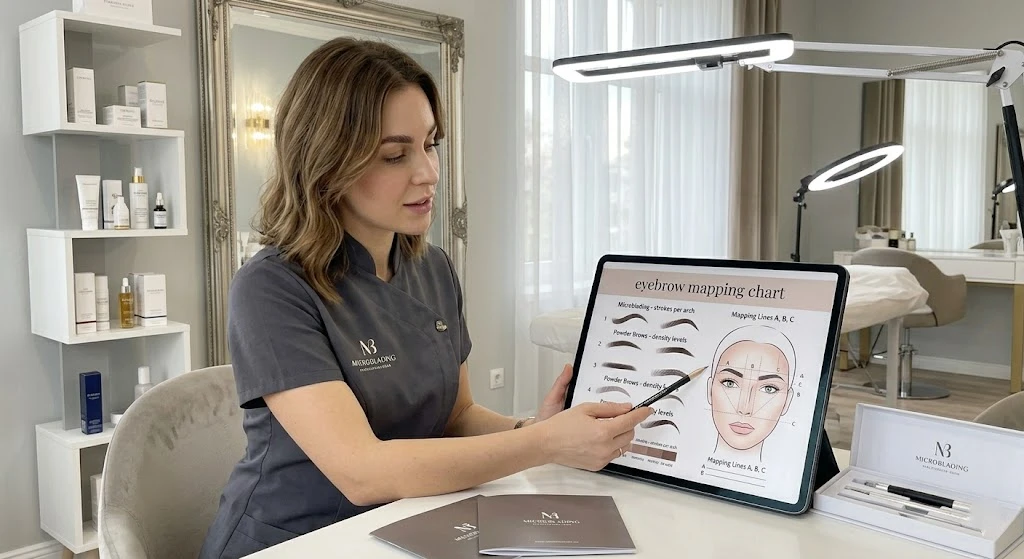
The right choice really comes down to three things: your current brow density, how long you want results to last, and your comfort level with the procedure itself.
Choose brow lamination if:
- You already have decent brow hair but it’s unruly, flat, or grows in different directions.
- You want a low-commitment way to test a fuller, more lifted brow look.
- You’d rather avoid anything that breaks the skin.
- You’re comfortable visiting a salon every 6–8 weeks.
Choose microblading if:
- Your brows are thin, patchy, or unevenly shaped.
- You want to skip daily brow makeup for a year or more.
- You’re okay with a short healing period in exchange for long-term results.
- You’ve budgeted for a higher upfront cost in exchange for lower yearly maintenance.
A simple way to think about long-term cost: lamination repeated every 6–8 weeks can add up to roughly $400–$900 per year, while microblading’s yearly touch-up cost (after the initial session) is often just $100–$300. So while microblading costs more upfront, it can actually be the more economical option over two or three years.
Can Brow Lamination and Microblading Be Combined?
Yes — and many brow specialists actually recommend this combination for people with both shape and density concerns.
The typical order is:
- Microblading first. This fills in sparse areas and establishes the brow’s overall shape with pigment strokes.
- Full healing time. Wait the full 4–6 weeks for the skin to recover completely before doing anything else.
- Lamination second. Once healed, lamination lifts and blends your natural hairs with the microbladed strokes, adding texture and a soft, fluffed finish.
The result is a brow that has both the structural fullness of microblading and the lifted, groomed texture of lamination. The key is spacing the treatments correctly and working only with licensed, experienced professionals — doing them too close together can irritate healing skin or disturb fresh pigment.
Other Brow Treatments Worth Knowing About
Brow lamination and microblading aren’t the only options on the table. Depending on your goals, one of these might be a better — or complementary — fit.
- Brow Tinting — A semi-permanent dye that darkens existing brow hairs for a fuller appearance. Lasts 2–4 weeks and works well paired with lamination.
- Brow Henna — Similar to tinting, but the dye also stains the skin underneath, creating a filled-in look that can last up to 6 weeks. A good budget option for those wanting a microblading-like effect without the needles.
- Brow Threading and Waxing — Hair removal techniques that clean up stray hairs for a sharper shape. Quick, affordable, and often used alongside any of the treatments above.
- Ombre Brows (Powder Brows) — A cousin of microblading that uses a shading technique instead of individual strokes, creating a soft, powdered, makeup-like finish. Lasts 1–3 years.
- Brow Lamination Kits (At-Home) — Budget versions of the salon treatment, typically costing $25–$50, letting you do a simplified version at home — though results are usually less precise than a professional session.
- Brow Growth Serums — Topical products containing peptides or conditioning ingredients that can strengthen existing hairs and support new growth over several months. A fully non-invasive option for building natural thickness over time.
Each of these treatments has a different cost, commitment level, and maintenance schedule, so the best one for you depends on how permanent you want the change to be.
Final Thoughts
Both brow lamination and microblading can transform the way your brows look — they just take very different paths to get there. Lamination gives you a quick, pain-free way to style and lift the hair you already have. Microblading builds fullness and definition for brows that need more than styling alone can provide.
When weighing eyebrow lamination vs microblading, think honestly about your maintenance tolerance, your pain threshold, and your budget — both upfront and over a couple of years. And no matter which one you choose, always book with a licensed, experienced technician who follows proper hygiene standards and takes the time to understand your skin and hair type.
Which one sounds like the better fit for you — the quick lift of lamination, or the lasting precision of microblading? Let us know in the comments.
Frequently Asked Questions
Does oily skin affect microblading results?
Yes. Oily skin tends to cause pigment to fade faster and can make fine strokes blur slightly over time. Regular touch-ups and a gentle, non-greasy skincare routine around the brow area can help results stay crisp for longer.
Is brow lamination safe for sensitive skin?
Generally, yes. Brow lamination is considered safe for most skin types, but anyone with sensitive skin or a history of allergic reactions should always request a patch test 24–48 hours before their full appointment.
Can I combine brow lamination and microblading?
Yes, but timing matters. Microblading should be done first and given the full 4–6 weeks to heal before lamination is added. This sequence prevents chemical irritation and helps both treatments deliver clean, long-lasting results.
How much does each treatment cost per year?
Brow lamination typically costs $400–$900 per year when repeated every 6–8 weeks. Microblading costs more upfront ($300–$800) but usually only needs annual touch-ups of $100–$300, which can make it cheaper over time.
Which treatment is less painful?
Brow lamination is completely pain-free since it never touches the skin. Microblading involves mild discomfort, similar to light scratching, but numbing cream is used to keep it manageable for nearly everyone.