
Staring into a full closet and still feeling like you have nothing to wear is one of the most frustrating parts of getting dressed. Half the problem is language. We call almost every one-piece outfit a “dress” without knowing what actually makes one style different from another.
A shift dress and a sheath dress can look nearly identical on a hanger, yet they fit completely differently once you put them on.
Once you understand how each shape works, shopping gets faster, outfits come together in minutes, and getting dressed stops feeling like guesswork.
This guide breaks down the most popular dress styles into four easy groups: silhouette, length, everyday wear, and occasion wear. By the end, you will know exactly which cut to reach for and why it works for you.
How Dress Styles Are Classified
Every dress in your closet is really a mix of three simple traits.
- Silhouette – the shape the fabric traces from shoulder to hem, such as A-line, sheath, or mermaid.
- Length – where the hem falls, from mini to maxi, which usually hints at how formal the dress is.
- Occasion – the category it fits into, like a casual sundress versus a formal gown.
Most dresses combine all three traits at once. A single dress could be fit-and-flare in shape, midi in length, and cocktail in occasion.
Once you learn to spot these three layers together, instead of judging a dress on looks alone, it becomes much easier to predict how a piece will actually fit your body and suit your plans.
Dresses by Silhouette (Shape)
Silhouette is the shape a dress creates around your body. These core shapes are the building blocks that every other style borrows from.
1. A-Line Dress
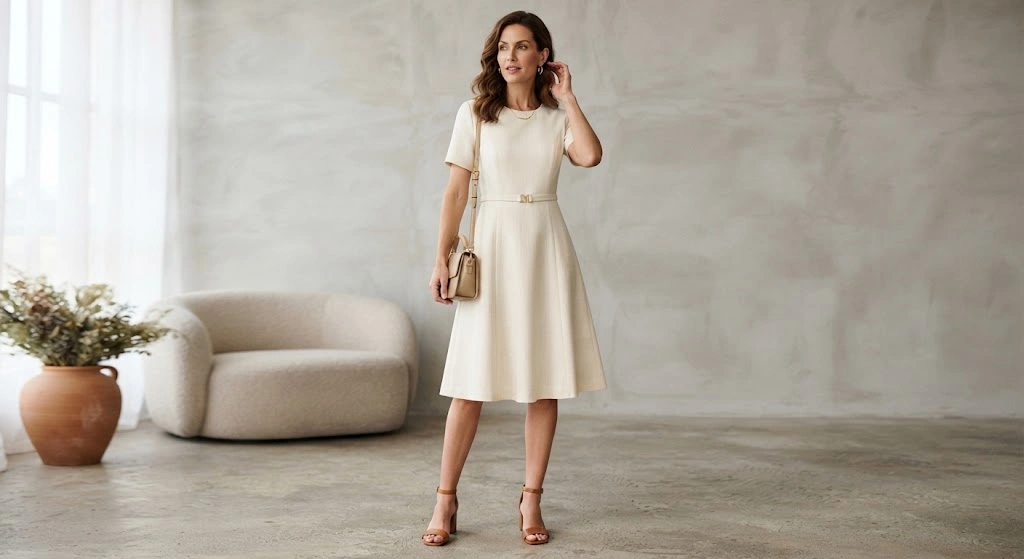
Named after Christian Dior’s 1950s design, the A-line dress is fitted through the shoulders and waist, then flares gently outward toward the hem in a soft triangle shape (like a capital letter A).
It skims over the hips and thighs instead of clinging to them. That smooth, uninterrupted line is why the A-line flatters nearly every body type and always looks polished.
- Best for: the office, brunch, and daytime weddings
- Style with: flats and a tote bag, or heels and hoop earrings to dress it up
2. Fit-and-Flare Dress
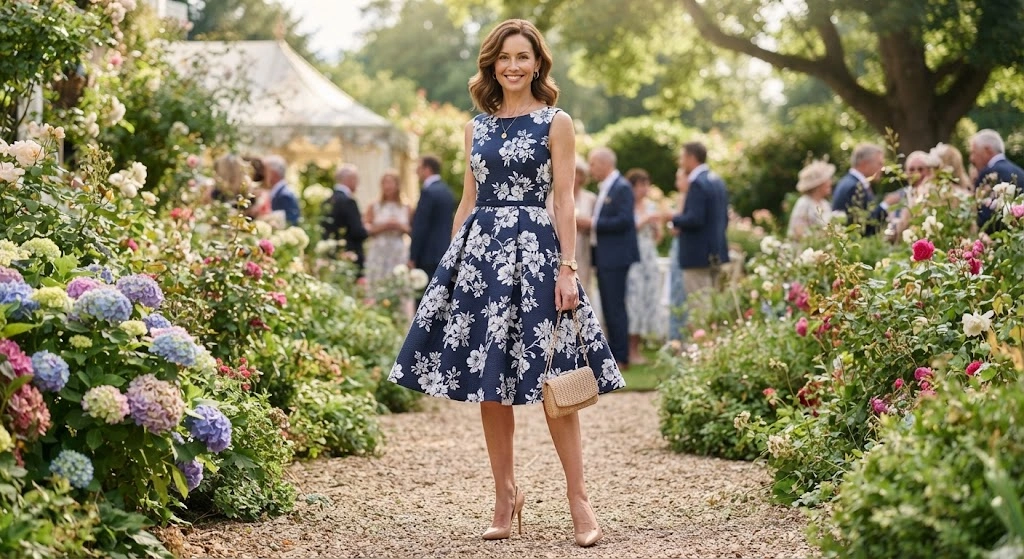
A close cousin of the A-line, but with one key difference: the fit-and-flare nips in tightly at the natural waist before the skirt flares out.
That defined waistline creates an instant hourglass shape. It reads slightly more polished and playful than the A-line, which makes it a go-to for date nights and garden parties.
- Best for: date nights, garden parties, and semi-formal events
- Style with: pointed heels, a delicate necklace, and hair worn up
3. Sheath Dress

The sheath dress follows your natural body line from shoulder to hem in one clean column. It has no waist seam and no flare, just a sleek, structured cut that typically lands at or just above the knee.
This is the classic power dress for the office, interviews, and any moment that calls for a sharp, put-together look.
- Best for: the office, interviews, and formal daytime events
- Style with: a blazer and pumps by day, statement earrings for after work
4. Shift Dress
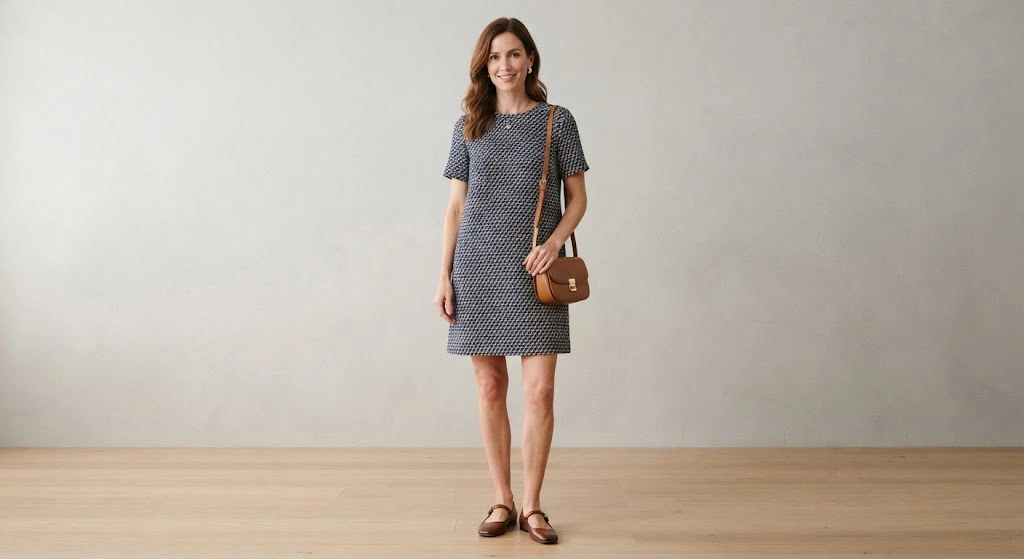
A shift dress hangs straight down from the shoulders and skims past the waist without hugging it, echoing the breezy 1960s mod look.
Because it skips a defined waistline, it feels relaxed and moves easily with you. It suits straighter frames beautifully, and a slim belt can add shape whenever you want more definition.
- Best for: casual days, travel, and relaxed workplaces
- Style with: sneakers and a thin belt, or a turtleneck layered underneath in winter
5. Empire Waist Dress
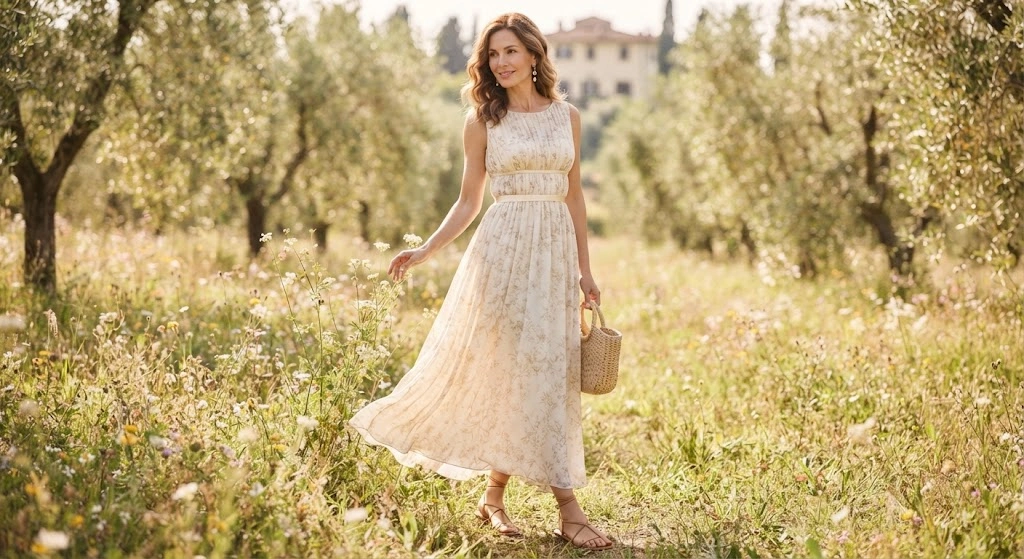
The empire waist sits high, right under the bust, then lets the fabric fall loose and long toward the floor. This design draws the eye upward and skims over everything below.
That makes it a favorite for pregnancy, apple body shapes, or anyone who loves a soft, romantic drape. Bridesmaids and prom-goers reach for it often.
- Best for: pregnancy, apple shapes, bridesmaids, and prom
- Style with: flat sandals and drop earrings, or a denim jacket for daytime
6. Bodycon Dress
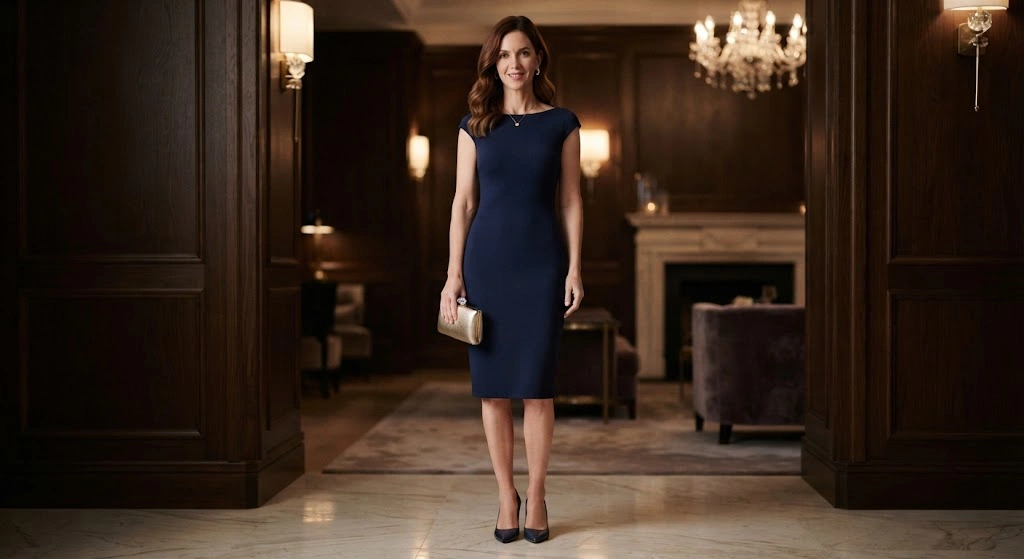
Short for “body-conscious,” the bodycon dress clings to every curve in stretchy, figure-hugging fabric. There is nowhere to hide, and that is the whole point.
Save it for nights out, cocktail parties, and dates, and choose a smooth, quality knit so it holds its shape without pulling or sagging.
- Best for: nights out, cocktail parties, and date nights
- Style with: heels and a clutch, or a blazer to tone it down for daytime
7. Mermaid Dress
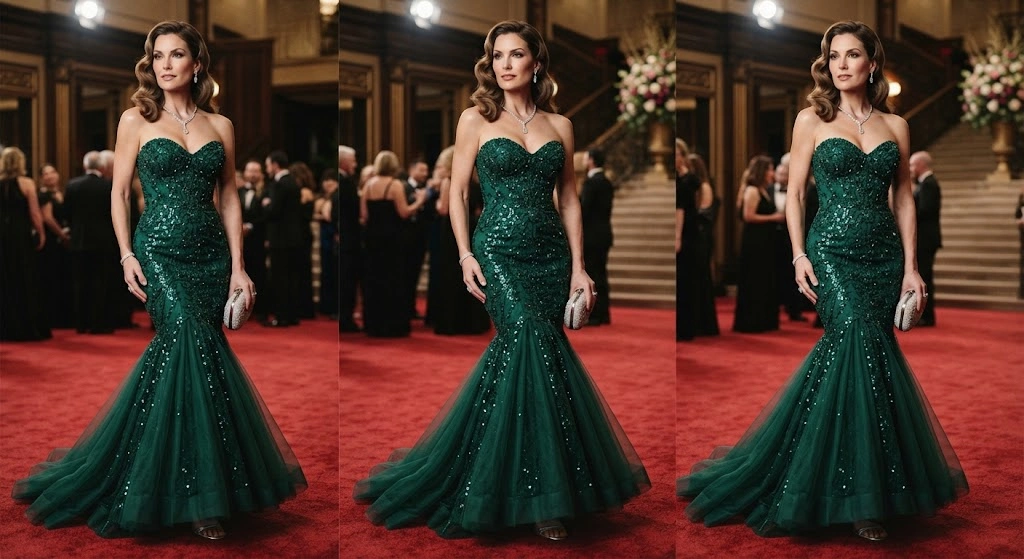
The mermaid dress fits snugly through the bodice, hips, and thighs, then flares out dramatically below the knee like a fishtail. It is bold, sculpted, and unapologetically glamorous.
You will mostly spot this shape on red carpets, at black-tie events, and as a striking wedding gown for anyone who wants their curves front and center.
- Best for: red carpets, black-tie events, and weddings
- Style with: high heels, elegant jewelry, and a clutch
8. Ball Gown
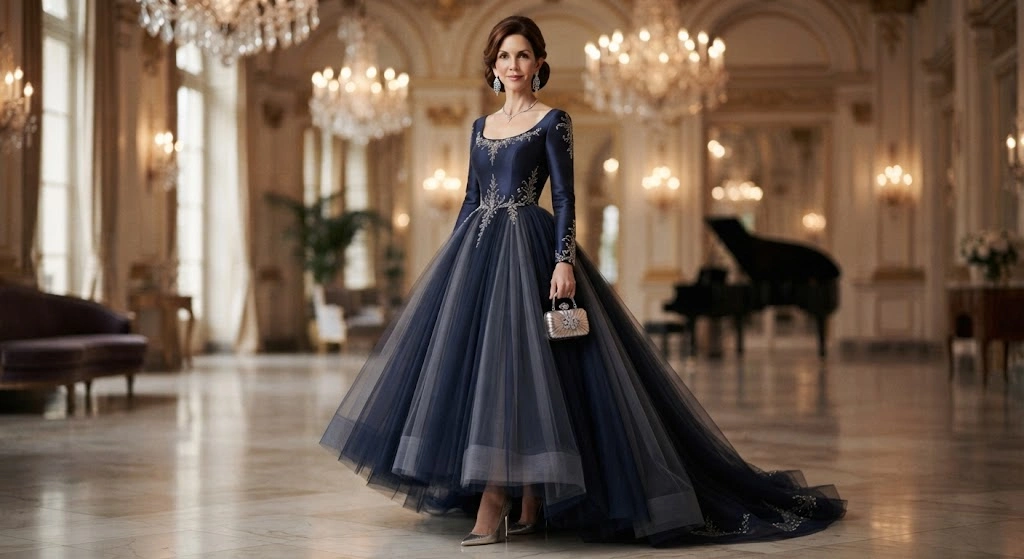
The ball gown is the ultimate fairy-tale silhouette: a fitted bodice sits above a huge, sweeping skirt held out by layers of tulle or petticoats. It is the most formal shape on this list by a mile.
Think royal galas, quinceañeras, and grand weddings. Save it for occasions that truly call for drama.
- Best for: galas, quinceañeras, and grand weddings
- Style with: statement earrings, fine heels, hair worn up, and a small clutch
Dresses by Length
Length tells you where the hem lands, and it quietly signals how dressy a piece is. Here is the ladder from shortest to longest.
9. Mini Dress
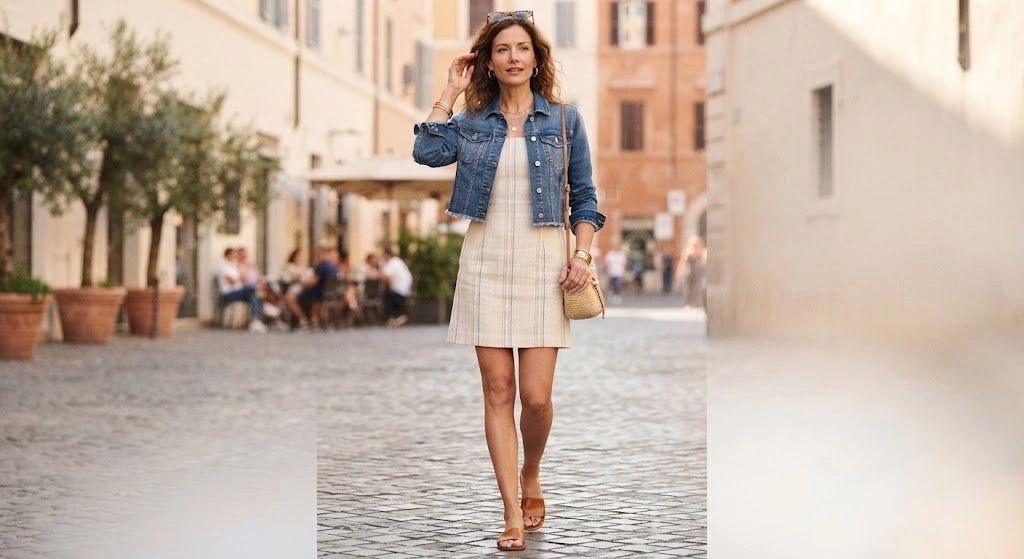
A mini dress ends well above the knee, usually mid-thigh. It is young, flirty, and full of energy, which makes it ideal for parties, festivals, and warm-weather days out.
Longer legs love the mini, and shorter frames can borrow its leg-lengthening effect too.
- Best for: parties, festivals, and warm-weather days
- Style with: flats and a denim jacket by day, heels and a clutch by night
10. Knee-Length Dress
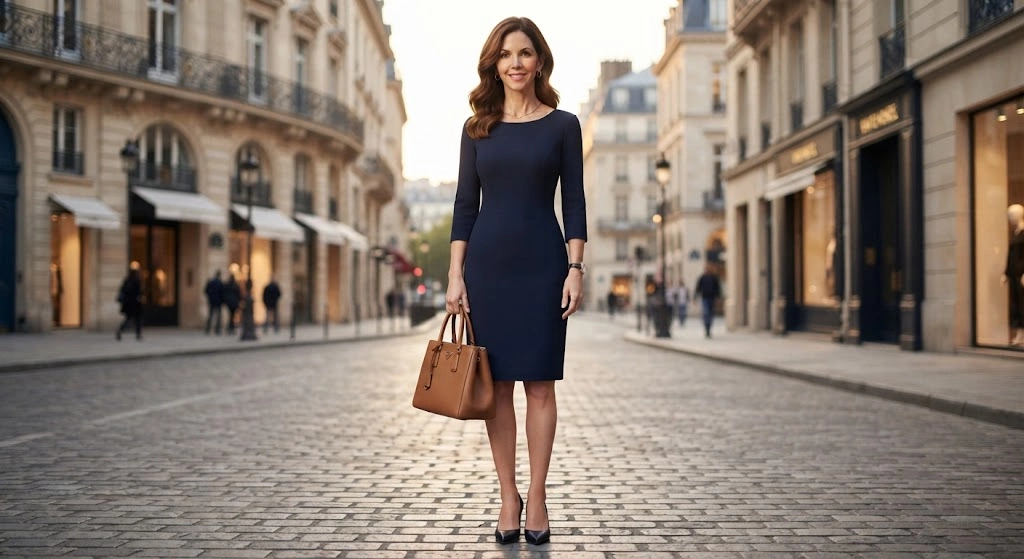
Landing right at or just below the knee, the knee-length dress is the most versatile option you can own. It works for the office, church, dinners, and daytime weddings without ever feeling out of place.
Balanced and easy, it flatters nearly every body shape.
- Best for: the office, church, dinners, and daytime weddings
- Style with: pumps or sandals, plus a cardigan or blazer to layer
11. Midi Dress
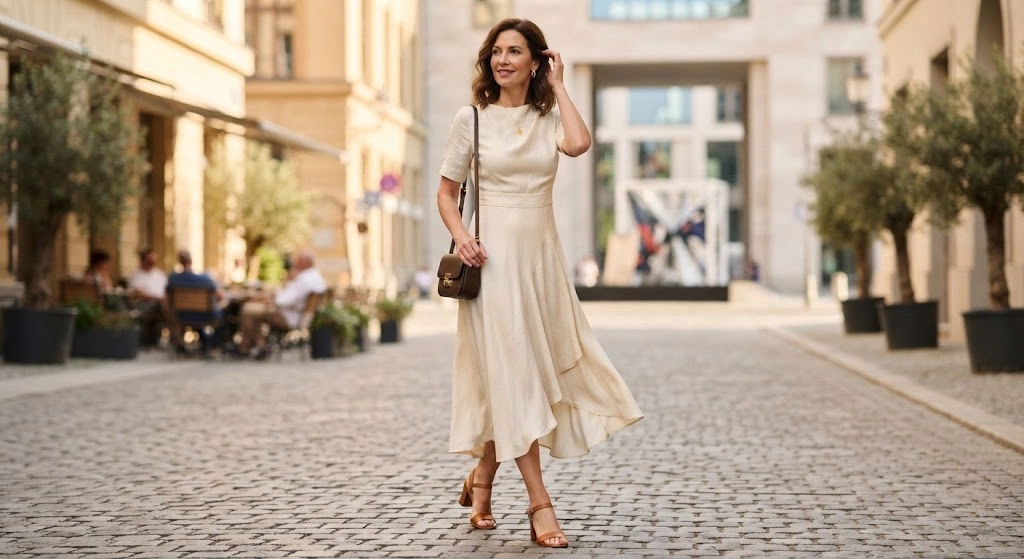
The midi dress falls between the knee and the ankle, usually around mid-calf. It has taken over wardrobes for good reason: it feels modern, covers plenty, and still looks effortless.
Petite frames often add a heel to keep the mid-calf hem from shortening the leg visually.
- Best for: work, weekends, and almost any occasion
- Style with: heels to lift the hem, or flat mules and a belt for an easy day
12. Tea-Length Dress
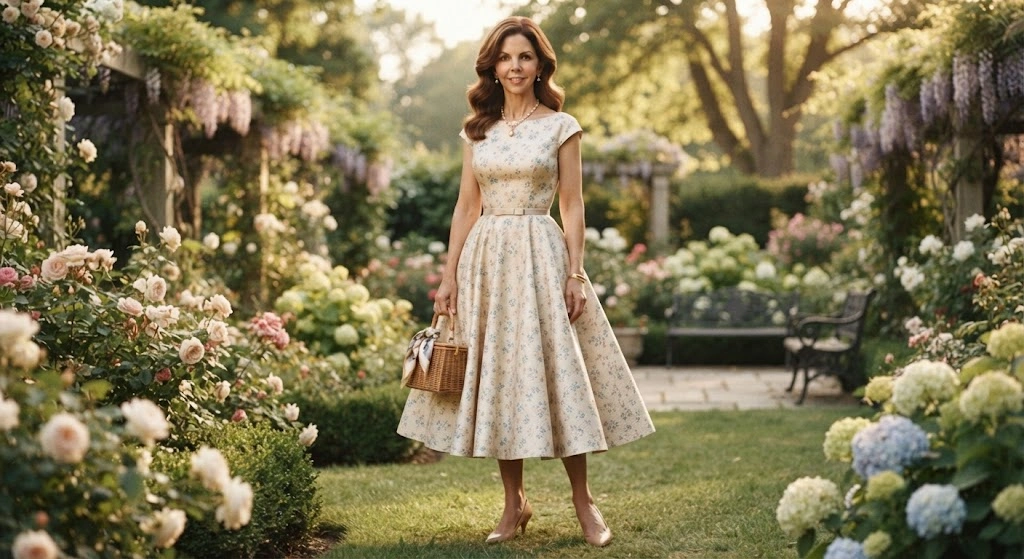
The tea-length dress sits between the midi and the floor, hitting a few inches above the ankle. It carries a vintage, 1950s charm and shows off pretty shoes.
Elegant but not fully formal, it works beautifully for semi-formal weddings, retro-themed events, and afternoon celebrations.
- Best for: semi-formal weddings, retro events, and afternoon celebrations
- Style with: retro or kitten heels, dainty jewelry, and soft waves
13. Maxi Dress
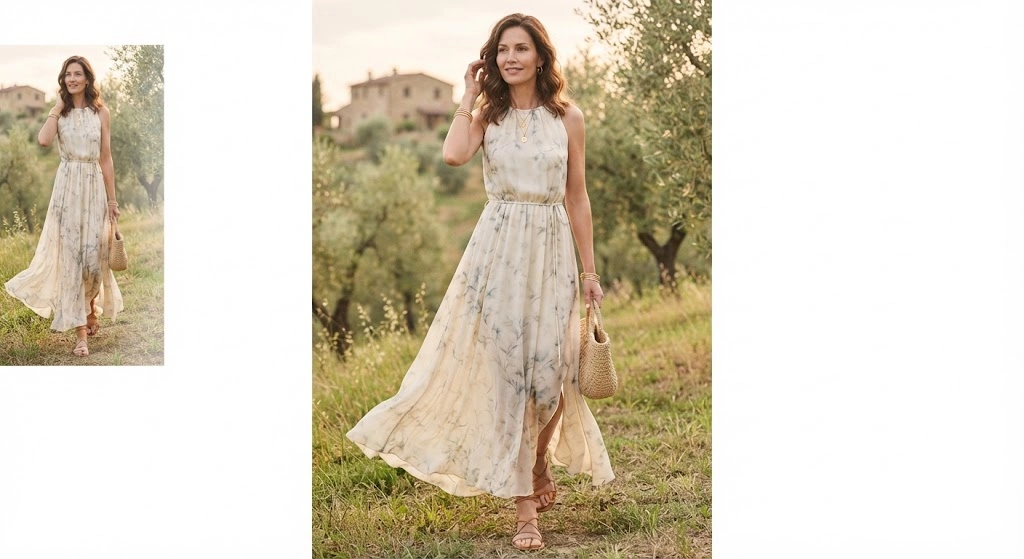
A maxi dress sweeps all the way down to the ankle or floor. It ranges from a breezy cotton sundress to a flowing evening gown, so the fabric sets the mood.
Tall and hourglass figures wear it easily, while petite frames do best with a slit or a slightly shorter hem to avoid feeling swallowed by the fabric.
- Best for: summer days, holidays, and formal evenings
- Style with: flat sandals by day, or hidden heels and a shawl for events
Everyday and Casual Dress Styles
These dresses ask nothing of you: no fuss, no second-guessing, just easy shapes built for real days and quick decisions.
14. Sundress
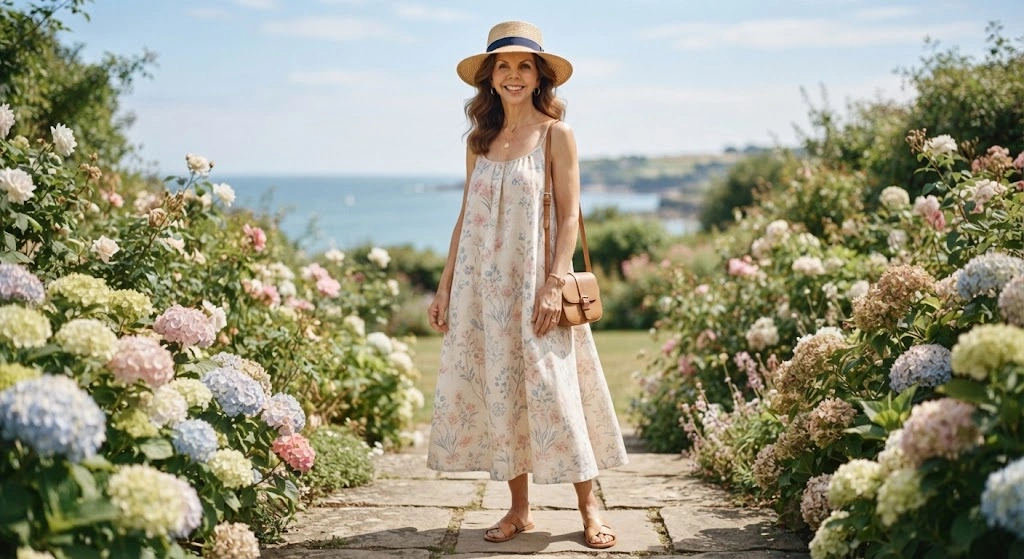
A sundress is light, airy, and made for heat. Think thin cotton or linen, thin straps or a strapless cut, and a loose, breezy fit. It is the definition of low-effort summer style.
- Best for: the beach, picnics, and hot city days
- Style with: flat sandals, a sun hat, and a crossbody bag
15. Shirtdress
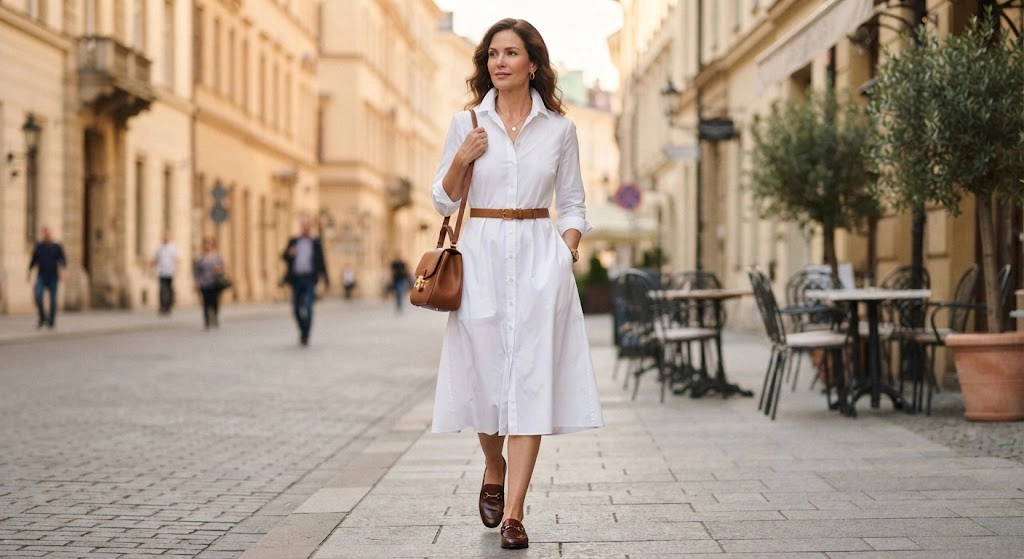
Borrowed straight from a men’s button-down shirt, the shirtdress has a collar, a full button front, and often a self-tie belt to shape the waist.
It sits somewhere between smart and casual. A crisp cotton version suits the office, while chambray or linen keeps weekends and travel days relaxed but tidy.
- Best for: the office, weekends, and travel days
- Style with: a belt to define the waist, plus loafers or sneakers
16. T-Shirt Dress
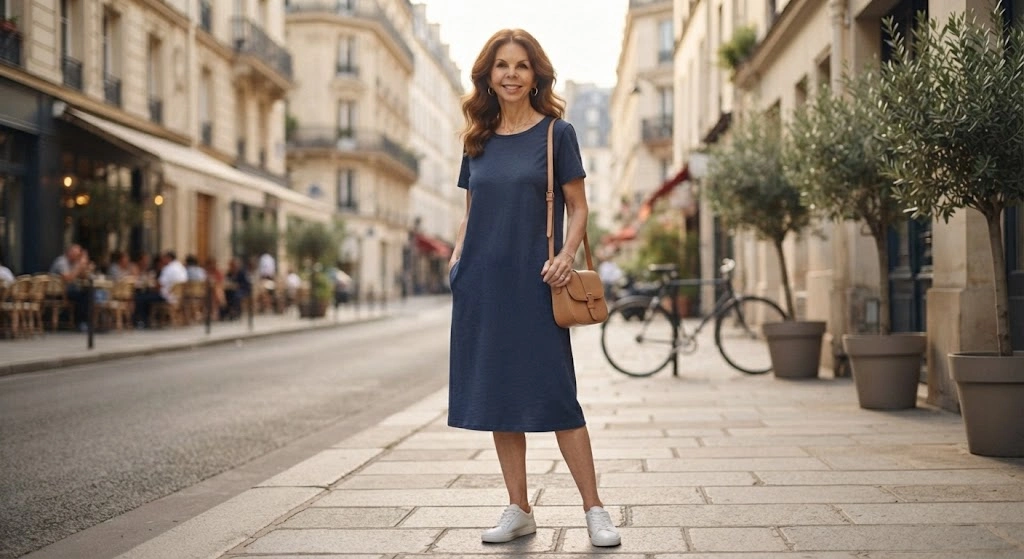
Exactly what it sounds like: a T-shirt stretched into dress form. Soft jersey fabric, a straight cut, short sleeves, and pure comfort.
It is the throw-on-and-go piece for errands, school runs, and lazy days.
- Best for: errands, school runs, and lazy days
- Style with: sneakers, or a belt and boots to dress it up
17. Wrap Dress
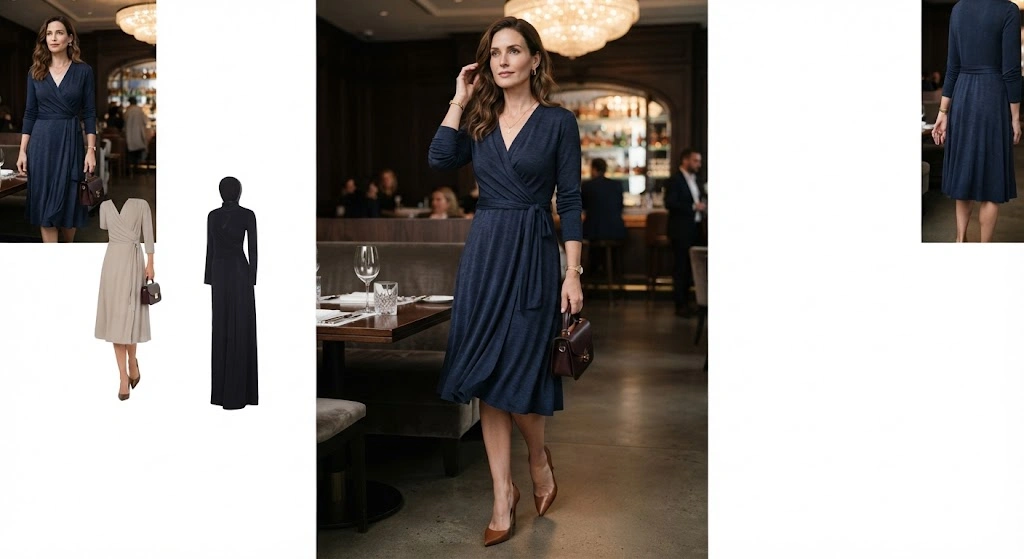
The wrap dress crosses one panel over the other and ties at the waist, so it adjusts to your body instead of the other way around. That tie creates a flattering V-neck and a defined middle.
Made famous by Diane von Furstenberg, it works for nearly every body shape and moves easily from work to dinner.
- Best for: work, dinners, and most body shapes
- Style with: heels for evening or flats for daytime; adjust the tie for your best fit
18. Denim Dress
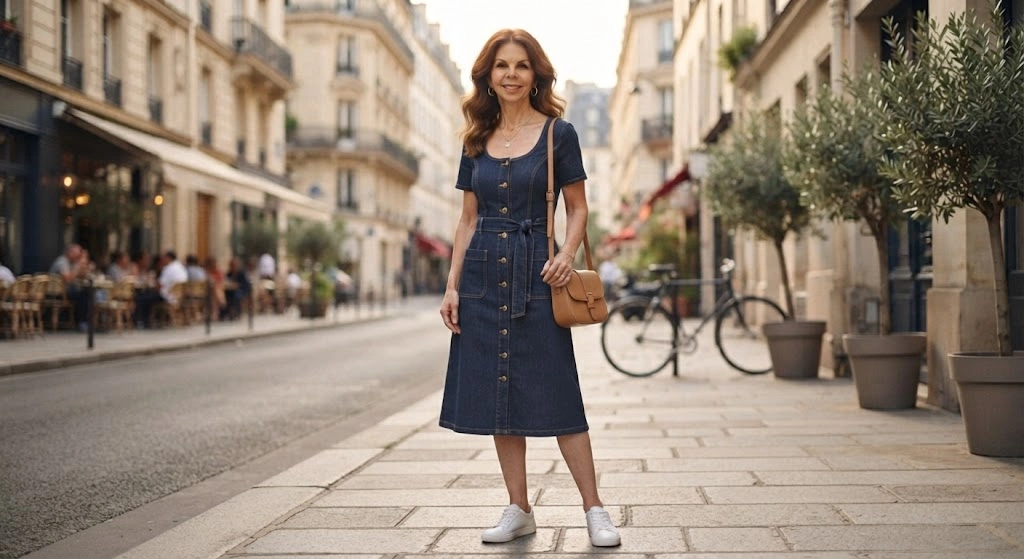
A denim dress brings the toughness and ease of your favorite jeans into a one-piece outfit. It comes as a shirt dress, a pinafore, a mini, or a structured button-front style.
Dark washes look sharper; light washes feel more casual. Layer it over a tee or tights and it carries you through every season with almost no effort.
- Best for: casual days across every season
- Style with: white sneakers, or tights and boots layered over a tee
19. Sweater Dress
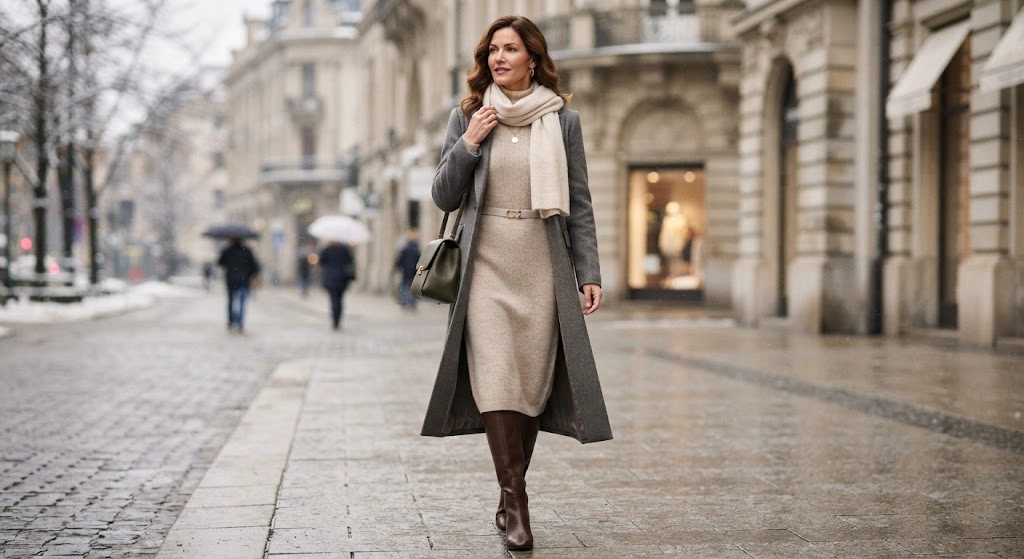
A sweater dress is a long, knitted jumper you can wear on its own. Cozy and warm, it is built for cold months. Chunky knits feel relaxed, while fine-gauge versions look sleeker.
- Best for: cold months and casual winter outings
- Style with: knee boots and tights, a belt for shape, and a long coat
20. Slip Dress
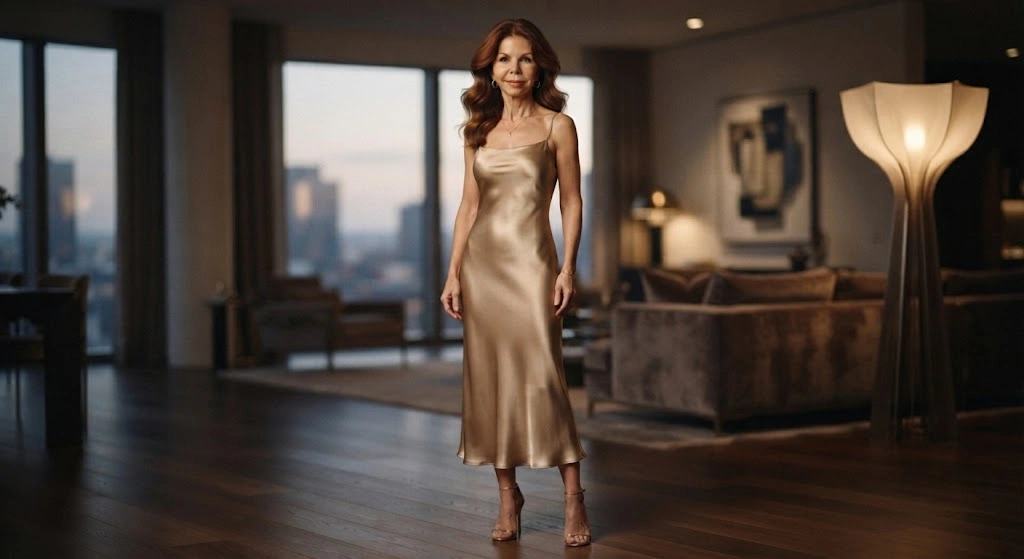
Inspired by 1990s lingerie, the slip dress is thin, silky, and cut with delicate straps in a straight, body-skimming shape. It looks effortless yet quietly luxurious.
Wear it alone for a night out, or layer a tee or knit underneath with boots below to soften it for cooler, everyday wear.
- Best for: evenings out and layered daytime looks
- Style with: heels and fine jewelry, or a tee underneath with boots
Occasion and Statement Dresses
When there is a specific event on the calendar, these dresses rise to meet it. Each one is built around a dress code rather than a single shape or length, so start with the occasion and then choose the silhouette that flatters you most.
21. Cocktail Dress
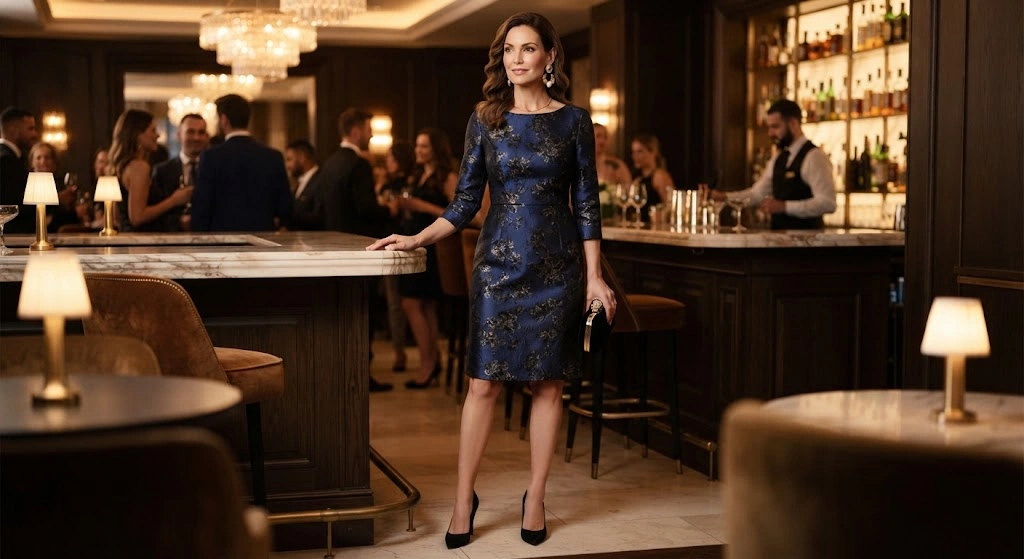
A cocktail dress is dressy but not fully formal, built for evening events with a dress code. It usually lands at knee or midi length in a richer fabric.
Weddings, celebrations, and work functions all call for one. It is the sweet spot between everyday dresses and a floor-length gown.
- Best for: weddings, parties, and work functions
- Style with: heels, a small clutch, statement earrings, and a wrap
22. Evening Gown
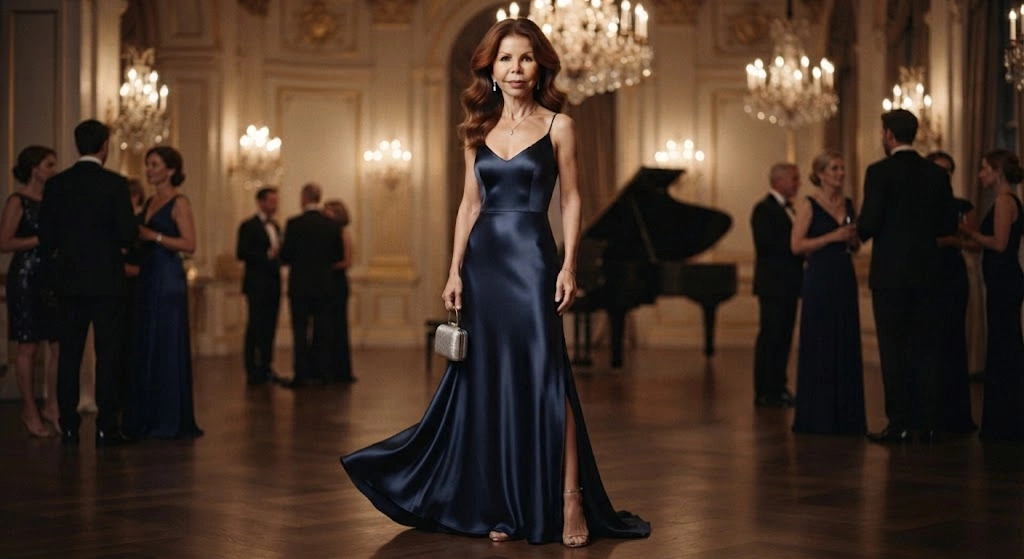
The evening gown is a long, elegant, floor-length dress reserved for the most formal nights. Luxurious fabrics like satin, silk, and chiffon do the heavy lifting.
Black-tie weddings, galas, and awards nights are its natural home.
- Best for: ceremonies, galas, and awards nights
- Style with: fine heels, a clutch, minimal jewelry, and hair up or sleek
23. Prom Dress
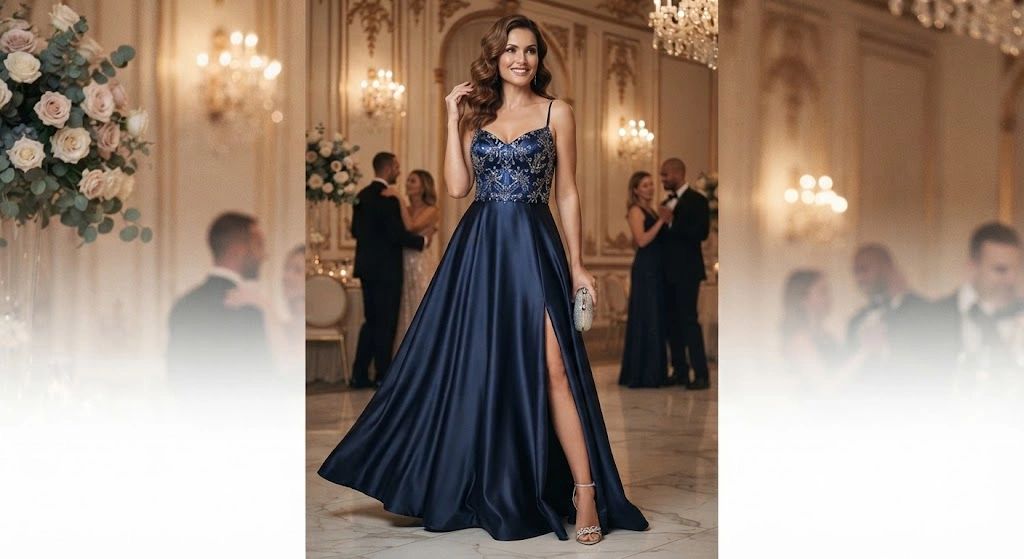
Prom dresses are all about making a night feel special. They lean long and dramatic, in satin, tulle, or sequins, with silhouettes ranging from slinky mermaid to full ball gown.
This is the moment to enjoy sparkle, color, and a little theatre.
- Best for: prom and formal school dances
- Style with: heels you can dance in, sparkly accessories, and a small clutch
How to Choose the Right Dress for Your Body Type
The right dress can balance proportions, highlight your favorite features, and make an outfit feel more comfortable. Body shape is only a starting point; fit, fabric, and personal taste should still guide your final choice.
- Pear shape: A-line, fit-and-flare, and wrap dresses work well because they define the waist while allowing more room around the hips and thighs.
- Apple shape: Empire waist, wrap, and A-line dresses draw attention upward and create a softer line through the middle.
- Hourglass shape: Sheath, bodycon, wrap, and fit-and-flare dresses naturally follow balanced proportions and keep the waist defined.
- Rectangle shape: Fit-and-flare dresses, belted shirtdresses, and wrap styles add definition through the waist and create the illusion of curves.
- Petite frame: Mini, knee-length, and fitted midi dresses help maintain proportion. A clean silhouette and the right hem length can also make legs appear longer.
- Tall frame: Maxi, midi, sheath, and column-style dresses suit longer proportions well and leave more room to play with length and volume.
Final Thoughts
The dress aisle stops feeling overwhelming the moment you can name what you are looking at. Once you spot the shape, read the length, and match it to the occasion, the right choice almost picks itself.
You do not need to own all 23 of these styles. A handful that suits your body and your real life will carry you much further than a closet full of pieces you never wear.
Learning these different dress styles is really about confidence: knowing that when an invitation lands, you already understand what works and why. Start with the shapes that flatter you most, then build outward from there.
Frequently Asked Questions
What is the difference between an A-line and a fit-and-flare dress?
Both flare out from a fitted top, so they look similar at first glance. The difference is the waist. An A-line skims straight down from the waist without cinching, while a fit-and-flare nips in tightly at the natural waist before flaring. The fit-and-flare creates a stronger hourglass shape, while the A-line feels more relaxed.
Which dress style is most flattering for my body type?
There is no single answer, but a few styles work for almost everyone. Wrap and A-line dresses flatter most shapes because they define the waist while skimming the hips. Hourglass figures suit fit-and-flare and sheath cuts, pear shapes love A-lines, and apple shapes do well in empire waists.
How many dress styles should I actually own?
You do not need many. Around five versatile pieces usually cover most of life: a little black dress, a wrap or A-line for daytime, a shirtdress or sundress for casual days, a midi for work, and one cocktail dress or gown for events. Build outward from there based on your lifestyle.
For more style guides, beauty tips, and the latest in celebrity fashion, keep exploring faminaz.com.