
Hats were one of the most important parts of men’s fashion in the 1920s.
For many men, leaving the house without a hat was unusual. Hats were practical, but they also helped complete an outfit and showed the occasion, profession, and personal style of the wearer.
The decade offered many choices, from fedoras and homburgs to flat caps, newsboy caps, and straw hats.
City professionals often chose structured felt hats, while working men preferred practical caps. During summer, lighter straw hats provided a cooler alternative.
In this guide, you will find the most popular 1920s men’s hats, how they were worn, which hats matched different outfits, and how to bring these classic styles into modern fashion.
The History of 1920s Men’s Hats
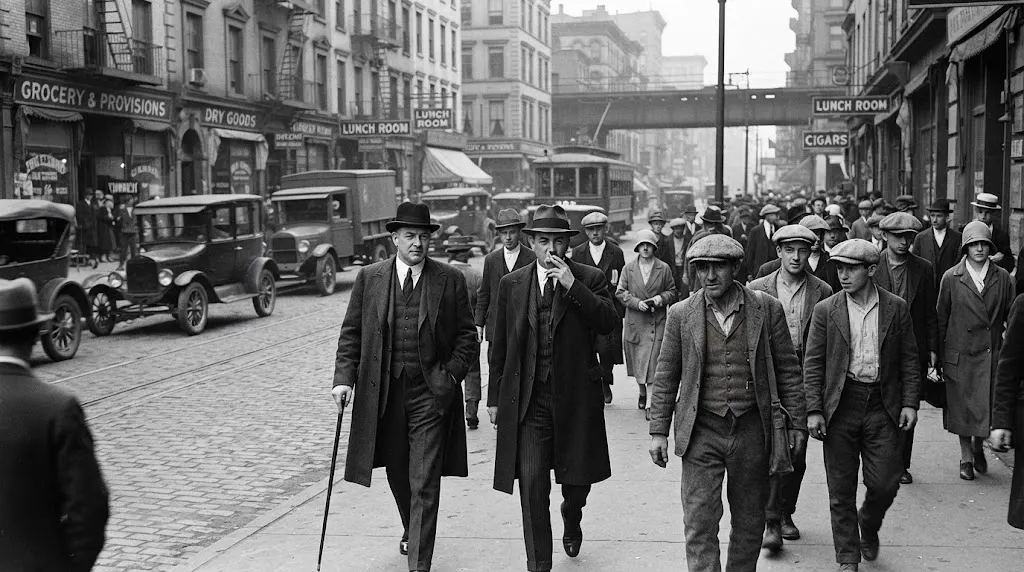
The 1920s were an important period for men’s headwear.
Hats had already been an everyday part of men’s clothing before the decade, but their styles became more varied as society changed.
Urban growth, cinema, sports, travel, and changing leisure habits all influenced men’s clothing.
A businessman might wear a structured felt hat with his suit, while a worker could choose a flat cap for daily use.
Social occasions also created opportunities for more distinctive styles.
Hats therefore became both useful and fashionable.
Why Did Men Wear Hats in the 1920s?
Hats served several purposes.
They protected the head from sun, rain, and cold weather.
They also helped men maintain a polished appearance.
For many occasions, a hat was considered part of proper dressing.
A suit without a suitable hat could look incomplete by the standards of the period.
Hats also helped communicate the setting.
A formal felt hat looked very different from a working man’s flat cap or a summer straw hat.
1. Fedora
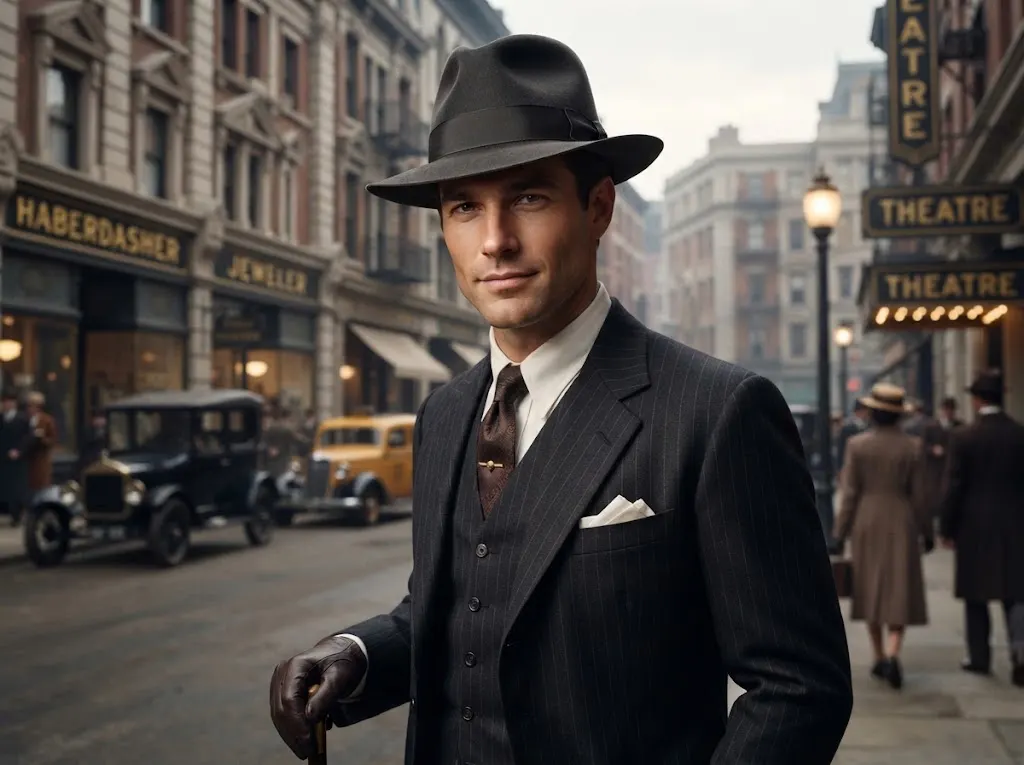
The fedora was one of the most recognizable hat styles associated with the decade.
It typically featured a soft felt body, a pinched crown, and a brim that could be shaped according to preference.
Fedoras worked well with tailored suits and city clothing.
They offered a polished appearance without being as rigid as some traditional formal hats.
Men could choose darker colors such as black, gray, brown, or navy.
The fedora continued to influence men’s fashion long after the 1920s.
2. Homburg
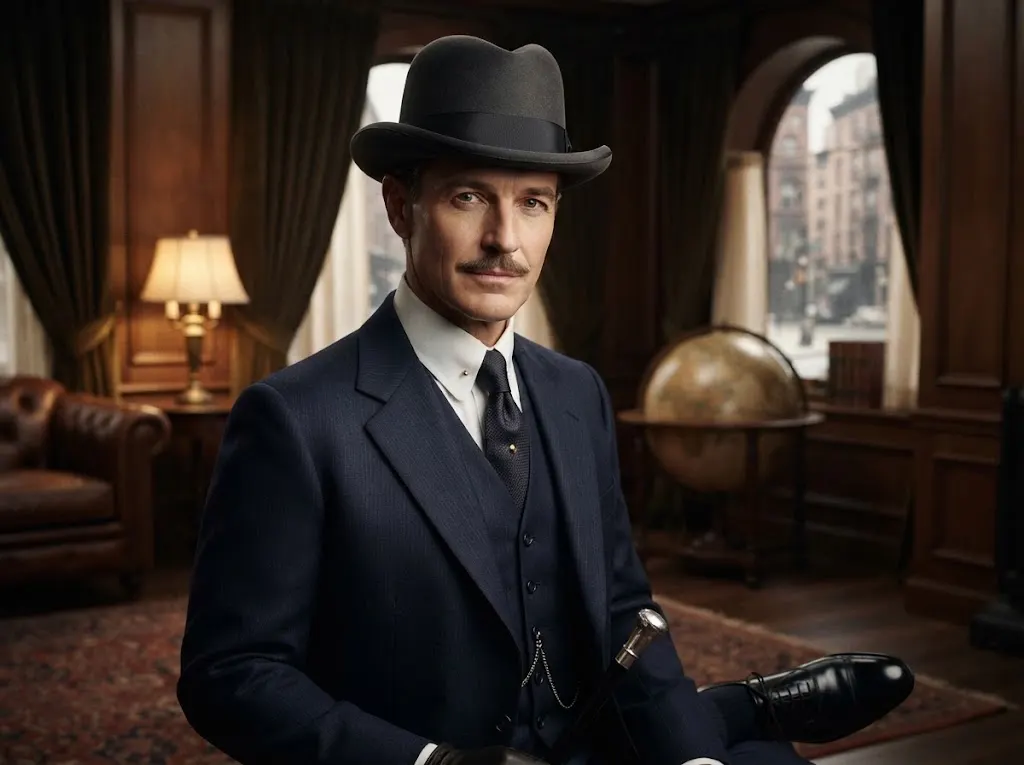
The homburg offered a more formal appearance.
It usually had a firm felt construction, a distinctive lengthwise crease on the crown, and a shaped brim.
The style worked especially well with formal suits and dressier clothing.
A dark homburg could create a refined appearance when paired with a three-piece suit and polished leather shoes.
It was a good choice for men who wanted something more formal than a soft casual hat.
3. Trilby
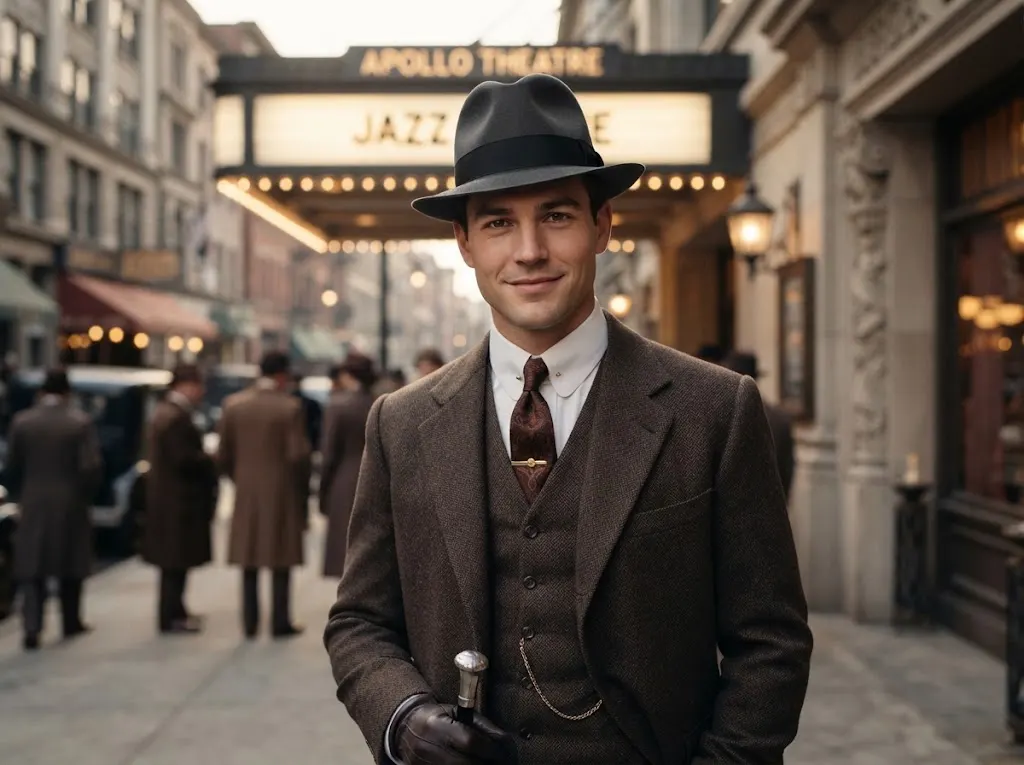
The trilby had a narrower brim and a more sharply shaped crown than some other popular hat styles.
Its smaller proportions made it suitable for men who wanted a less traditional appearance.
The trilby could be worn with suits and other smart clothing.
Over time, the name became associated with different versions of the hat, but its early forms shared the structured shape that made it useful for fashionable men’s wardrobes.
4. Flat Cap
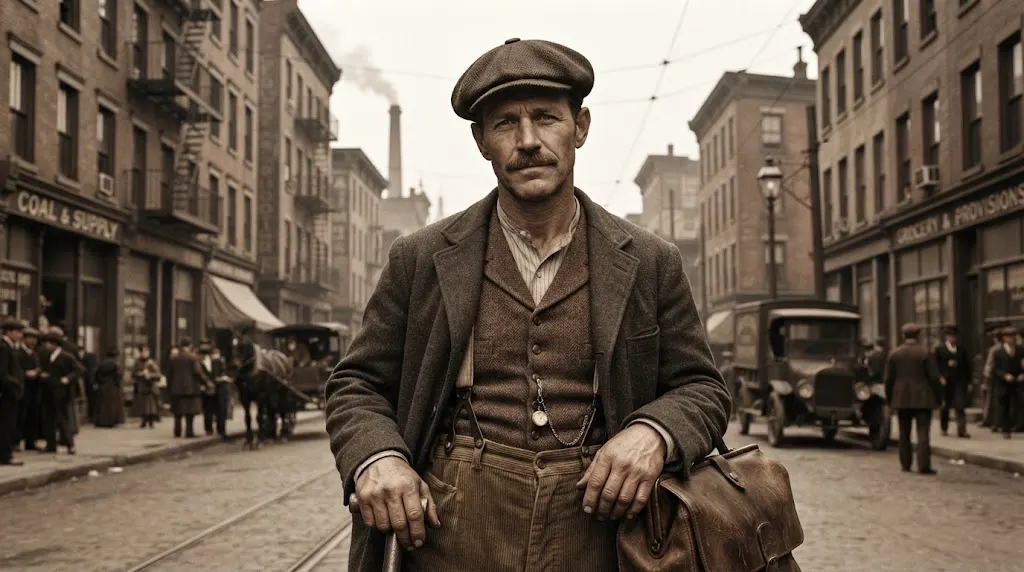
Flat caps were practical and popular among working men.
They were made from materials such as wool or tweed and had a low, rounded shape.
The design provided protection from the weather while remaining comfortable for everyday use.
Flat caps were often worn with trousers, shirts, suspenders, sweaters, and work jackets.
They also became associated with outdoor and casual clothing.
5. Newsboy Cap
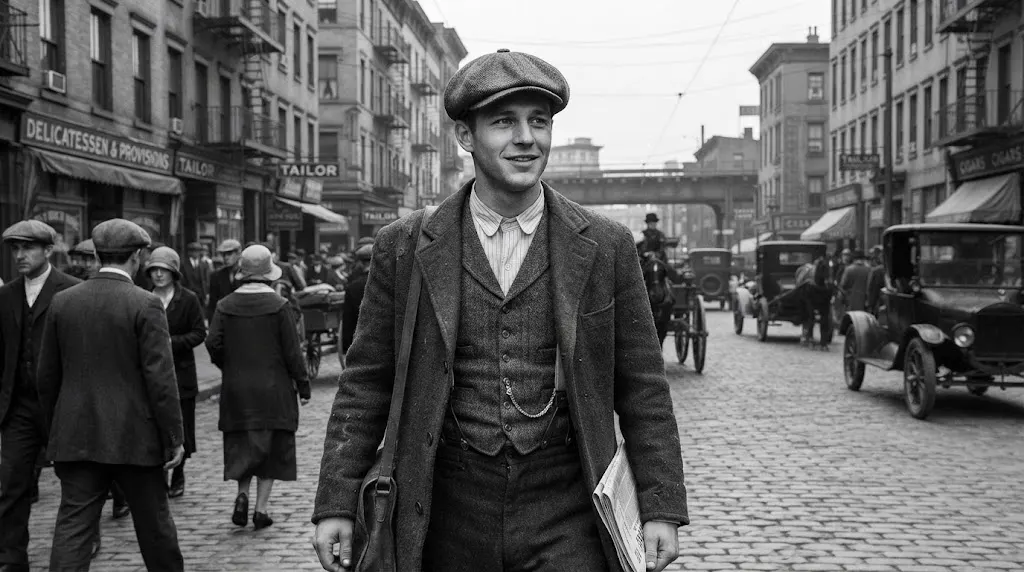
The newsboy cap had a fuller, rounder shape than the traditional flat cap.
It was commonly associated with working-class men and boys.
The cap was practical and affordable, making it useful for everyday activities.
Its recognizable shape has remained popular in vintage fashion.
Today, newsboy caps are often used to create a classic early-20th-century appearance.
6. Boater Hat
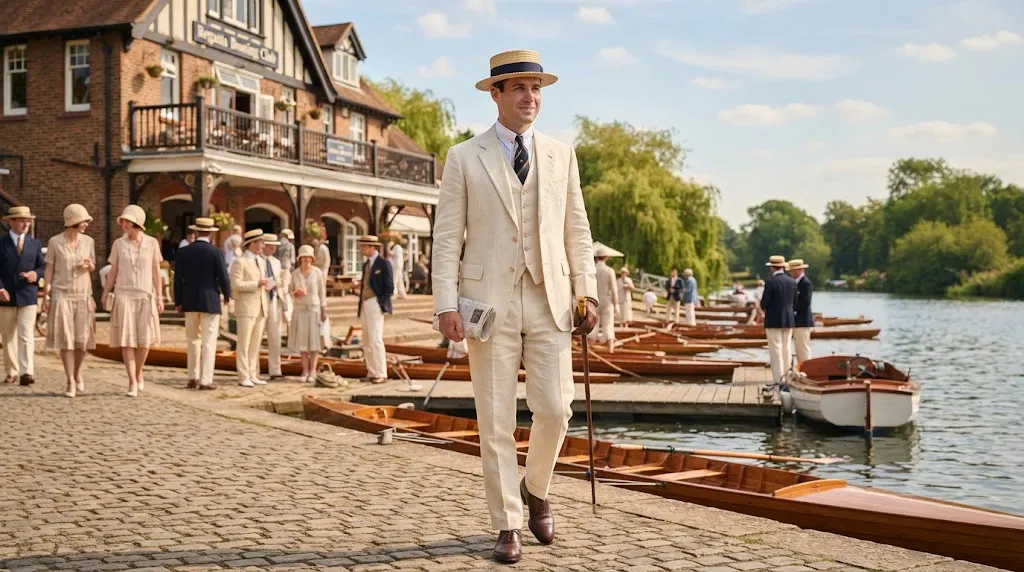
The boater was a distinctive summer hat.
It was usually made from stiff straw and featured a flat crown and relatively straight brim.
A fabric band was commonly placed around the crown.
Boater hats were associated with summer outings, boating, social events, and leisure activities.
Their light construction made them useful in warm weather.
They also created a more relaxed appearance than dark felt hats.
7. Panama Hat
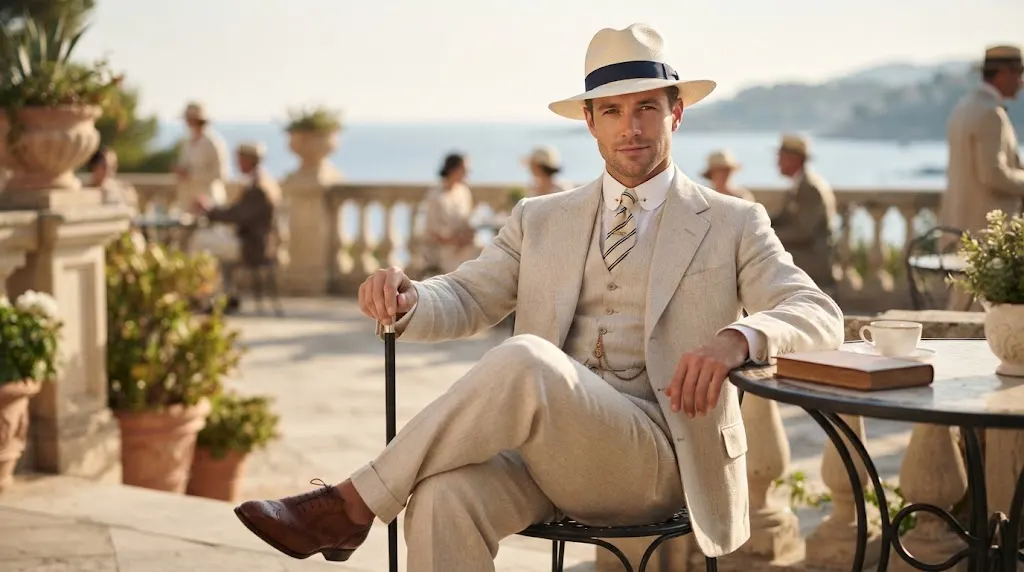
Panama hats were another popular warm-weather option.
Despite their name, genuine Panama hats are traditionally made in Ecuador.
They were valued for their lightweight construction and breathable design.
Men could wear them with summer suits and lighter clothing.
Cream and natural straw colors worked particularly well with light-colored summer outfits.
The Panama hat provided both practicality and a refined seasonal appearance.
8. Straw Hats
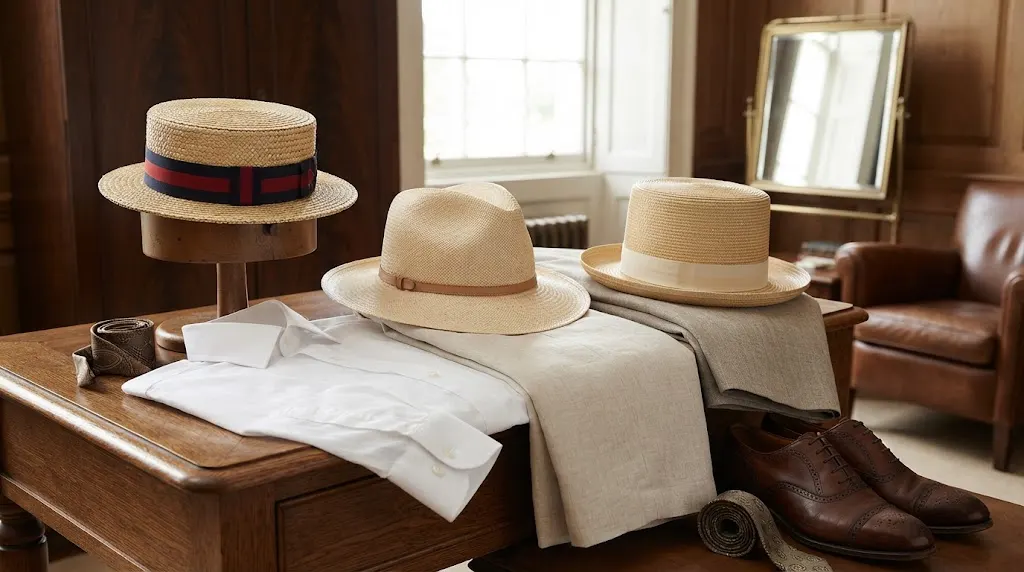
Straw hats were useful during warmer months.
They were lighter than felt hats and provided protection from the sun.
Different shapes could be worn depending on the occasion.
Some were simple and practical, while others were more structured and formal.
Summer hats often worked well with lightweight suits, white shirts, and lighter trousers.
9. Bowler Hats
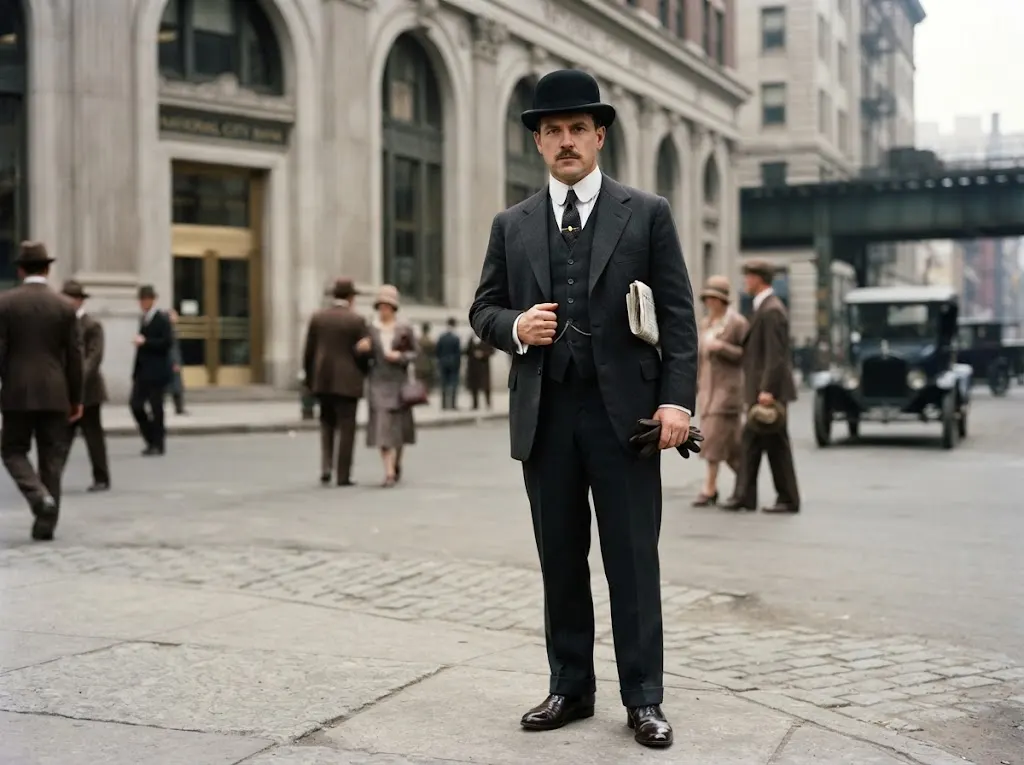
The bowler was a more traditional hat that remained in use during the 1920s.
It had a rounded crown and relatively short brim.
Although strongly associated with earlier periods, some men continued to wear bowlers during the decade.
The style was more conservative than the fedora and could be found in professional and formal settings.
10. Top Hats
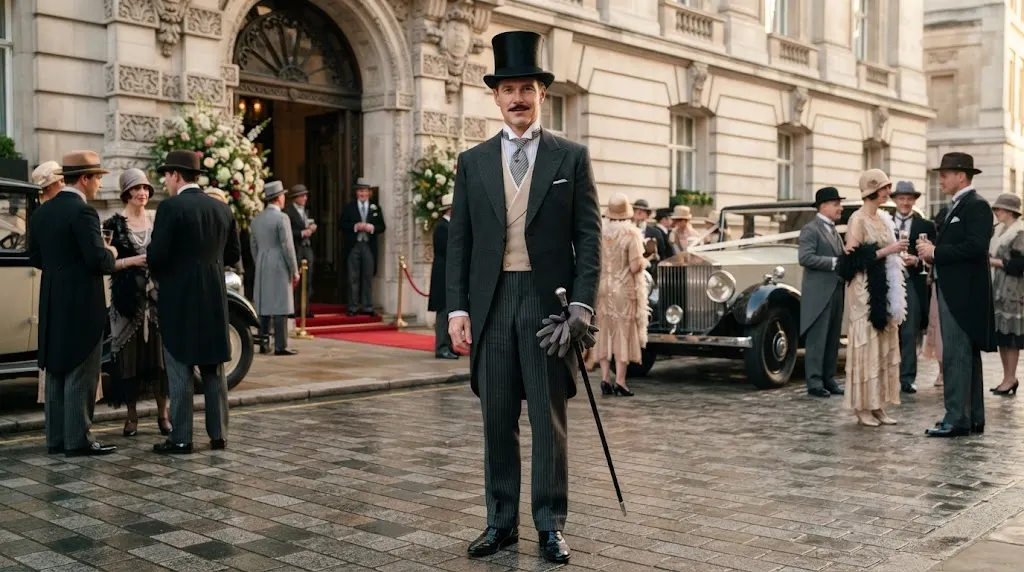
Top hats represented the formal end of men’s headwear.
They had a tall, cylindrical crown and a relatively narrow brim.
By the 1920s, the top hat was less common for everyday use but still appeared at highly formal events.
It was associated with morning dress, weddings, and other occasions where traditional formal clothing was expected.
1920s Men’s Hats by Occasion
Different occasions called for different types of hats.
| Occasion | Popular Hat Choices |
|---|---|
| Business | Fedora, homburg |
| Formal events | Homburg, top hat |
| Casual wear | Flat cap, newsboy cap |
| Working outdoors | Flat cap, newsboy cap |
| Summer | Boater, Panama, straw hat |
| Sports and leisure | Flat cap, straw hats |
| City wear | Fedora, homburg |
The right hat depended on the clothing and setting.
1920s Hats With Suits
A hat was often worn as part of a complete suit.
A dark suit could be paired with a matching or complementary dark fedora.
A homburg offered a more formal alternative.
For a lighter summer suit, a straw or Panama hat could create a seasonal appearance.
The key was balance.
The hat needed to match the formality and color of the rest of the outfit.
For more information about the clothing worn with these hats, see our 1920s Men’s Fashion Style Guide.
1920s Hats for Casual Clothing
Casual outfits allowed men more freedom.
Flat caps and newsboy caps worked naturally with trousers, sweaters, shirts, and casual jackets.
A man could wear a flat cap with high-waisted trousers and a cardigan for a relaxed vintage appearance.
These hats were also practical for outdoor activities.
For more casual clothing ideas, see our 1920s Men’s Casual Fashion guide.
1920s Working-Class Men’s Hats
Hats were particularly useful for working men.
Flat caps and newsboy caps were affordable, durable, and practical.
They could protect the head from sun and light rain while keeping loose hair under control.
These caps were commonly worn with sturdy trousers, shirts, suspenders, jackets, and workwear.
Their simple appearance reflected the practical nature of working-class clothing.
1920s Summer Hats for Men
Summer required lighter headwear.
Straw hats, Panama hats, and boater hats provided protection from sunlight without the weight of heavy felt.
Men could pair these hats with:
- Lightweight suits
- White shirts
- Linen clothing
- Light-colored trousers
- Leather shoes
The result was comfortable while still looking polished.
1920s Winter Hats for Men
Felt and wool hats were better suited to colder weather.
Fedoras, homburgs, and other felt styles provided warmth while maintaining a formal appearance.
Flat caps made from wool or tweed were also useful for casual and outdoor clothing.
Dark colors were practical during winter and worked well with heavier coats and suits.
Popular Hat Colors in the 1920s
Hat colors were often chosen to complement the rest of the wardrobe.
Common choices included:
- Black
- Brown
- Gray
- Navy
- Tan
- Cream
- Natural straw
Dark felt hats were especially suitable for business and formal clothing.
Lighter shades were more common during summer.
The color did not always need to exactly match the suit, but it generally needed to look coordinated.
1920s Hat Materials
Different materials were suited to different seasons and purposes.
Felt
Felt was widely used for structured hats.
It provided warmth and could be shaped into a variety of styles.
Wool
Wool was useful for warm caps and winter headwear.
Tweed
Tweed offered durability and a textured appearance, making it suitable for flat caps.
Straw
Straw was lightweight and breathable, making it ideal for summer hats.
The material was an important part of choosing the right hat for the season.
How Hats Completed a 1920s Outfit
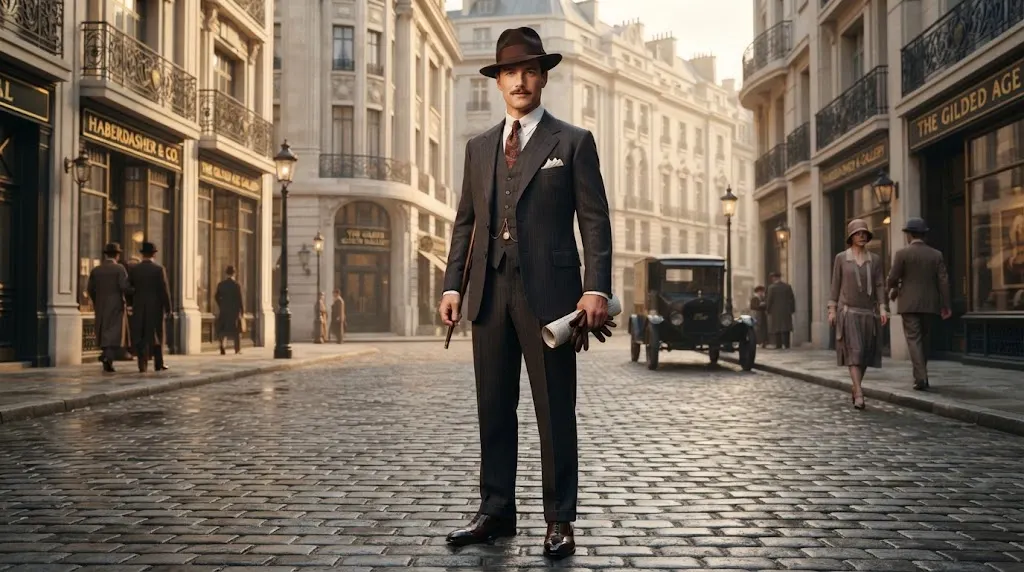
A hat could bring an entire outfit together.
For example, a man wearing a three-piece suit might add a fedora, leather Oxfords, and a pocket square.
Someone wearing casual trousers and a sweater might choose a flat cap and brown leather shoes.
This attention to detail was a major part of men’s fashion during the decade.
Shoes were also important in creating a complete appearance. See our 1920s Men’s Shoes guide for more footwear ideas.
1920s Hats and Hairstyles
Men’s hairstyles and hats were closely connected.
Short, neatly combed hair worked well beneath most hat styles.
Side parts and slicked-back hairstyles were especially common with formal hats.
Men often removed their hats indoors, allowing the hairstyle to remain visible during social occasions.
You can see more about the grooming side of the decade in our 1920s Men’s Hairstyles guide.
How to Wear a 1920s Hat Today
You do not need to dress completely like someone from the 1920s to wear a vintage-inspired hat.
A modern outfit can include one historical element.
For example, you could combine:
- A fedora with a modern suit
- A flat cap with jeans and a jacket
- A Panama hat with a summer outfit
- A newsboy cap with chinos and a sweater
- A classic felt hat with a long coat
The goal is to create a balanced outfit rather than a costume.
Choose a hat that fits your face shape, clothing, and personal style.
How to Choose the Right 1920s-Inspired Hat
Start by thinking about the occasion.
For formal clothing, choose a structured fedora or homburg.
For casual clothing, a flat cap or newsboy cap is easier to wear.
For summer, a Panama or straw hat provides a lighter appearance.
You should also consider proportion.
A very large hat may overwhelm a smaller frame, while a narrow-brim style can look more balanced on some people.
Comfort matters too.
A hat should fit securely without feeling too tight.
Why 1920s Men’s Hats Are Still Popular
The appeal of 1920s hats comes from their recognizable shapes and versatility.
Fedoras, flat caps, newsboy caps, and Panama hats can still work with modern clothing.
They add personality without requiring a complete vintage wardrobe.
The decade also showed how accessories could change the character of an outfit.
A simple suit can look completely different when paired with a carefully chosen hat.
Conclusion
1920s men’s hats were an important part of the decade’s style.
Fedoras, homburgs, flat caps, newsboy caps, boater hats, Panama hats, and straw hats gave men options for work, formal occasions, leisure, and changing weather.
Each style had its own purpose.
Structured felt hats worked well with suits, while flat caps offered practical everyday wear. Straw hats provided a lighter option during summer.
Today, these classic styles remain useful because they can be adapted to modern clothing.
You do not need to recreate an entire historical outfit. A well-chosen hat can add a subtle vintage touch while keeping the rest of your look modern.
Frequently Asked Questions
What Was the Most Popular Men’s Hat in the 1920s?
The fedora was one of the most recognizable choices, while flat caps, newsboy caps, homburgs, and straw hats were also widely worn.
Did All Men Wear Hats in the 1920s?
Hats were extremely common, particularly when men were outside. However, the exact style depended on occupation, social setting, location, and personal preference.
What Hats Did Working-Class Men Wear in the 1920s?
Flat caps and newsboy caps were practical choices for many working men because they were comfortable and suitable for everyday activities.
What Hat Did Men Wear With Suits in the 1920s?
Fedoras and homburgs were popular choices with suits. More formal occasions could call for traditional formal hats.
What Did Men Wear on Their Heads in Summer?
Men could wear straw hats, Panama hats, and boater hats during warmer weather because these styles were lighter and offered protection from the sun.
Are 1920s Men’s Hats Still Fashionable?
Yes. Fedora, Panama, flat cap, and newsboy styles continue to appear in modern and vintage-inspired fashion.