
Somewhere between October and April, getting dressed stops being fun and starts feeling like a negotiation with the weather. You want to look put-together, but you also don’t want to freeze — and throwing on everything you own usually leaves you looking like you’re smuggling pillows. Learning how to layer clothes properly fixes all of that. Good layering keeps you warm without bulk, lets you adjust as the temperature swings through the day, and — best of all — makes a small closet feel twice as big. This guide walks you through the three-layer system that stylists swear by, the fabrics that actually earn their place, five outfit formulas you can copy tomorrow morning, and the mistakes that make even expensive clothes look frumpy.
How to Layer Clothes: Start With the Three-Layer System
Every great layered outfit follows the same formula, whether you’re dressing for a crisp October afternoon or a January cold snap. Think of it as three jobs, each handled by one layer:
- Base layer: sits against your skin and manages moisture. Its job is to keep you dry, because damp skin gets cold fast.
- Middle layer: the insulation. This is where the real warmth lives — knits, fleece, and anything with loft that traps warm air.
- Outer layer: the shield. It blocks wind and rain and gives your outfit its finished, polished look.
What makes this framework the most reliable answer to how to layer clothes for unpredictable weather is that each layer has exactly one job. When a single piece tries to do everything — like a thick cotton hoodie that’s supposed to insulate, wick moisture, and block wind — it ends up doing none of them well.
The magic of the system is flexibility. Walk into an overheated office? Peel off the outer layer. Step back outside? Put it back on. Once you start thinking in layers instead of single heavy pieces, you’ll stop buying bulky “winter clothes” and start building outfits from pieces you already own. A well-planned capsule wardrobe makes this even easier, since every piece is chosen to work with the others.
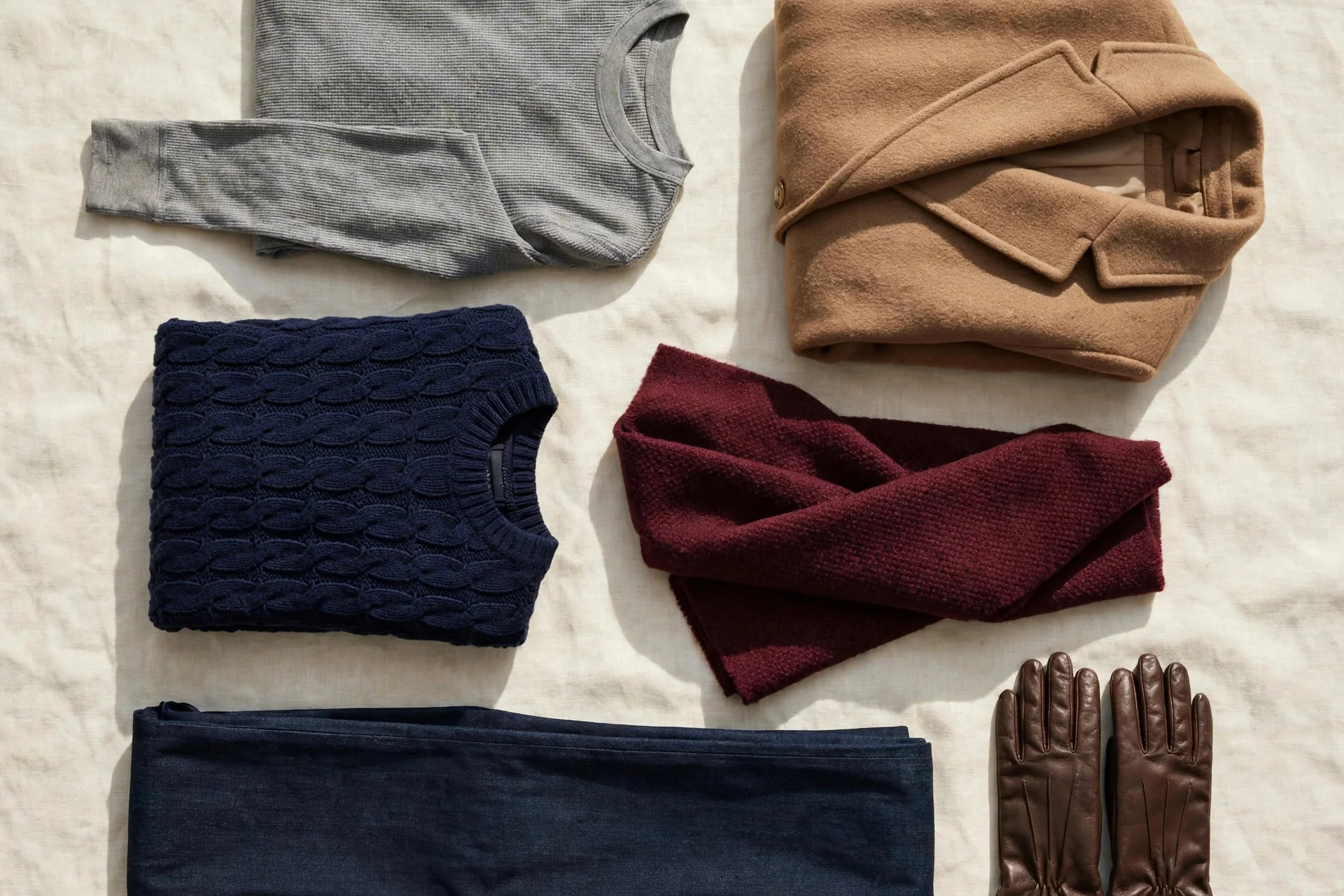
Layer 1: The Base Layer (Your Secret Weapon)
The base layer is the piece nobody sees and everybody feels. Get it wrong — say, a cotton T-shirt under a heavy sweater — and you’ll be clammy by noon. Cotton absorbs sweat and holds it against your skin, which is exactly what you don’t want when temperatures drop.
What to wear as a base layer
Look for thin, fitted tops and leggings in moisture-wicking fabrics. Uniqlo’s Heattech line (around $20–$30 a piece) is the classic entry point, and Smartwool or Icebreaker merino tops ($60–$90) are worth the investment if you run cold. For bottoms, fleece-lined leggings from brands like L.L.Bean or even H&M (about $25–$40) work beautifully under skirts and dresses.
Fit matters more than you think
Your base layer should skim your body without squeezing. Too loose and it bunches under everything else; too tight and it restricts the air pockets that keep you warm. When you try one on, raise your arms and twist at the waist — if it stays smooth, the fit is right.
Layer 2: The Middle Layer (Where Warmth Happens)
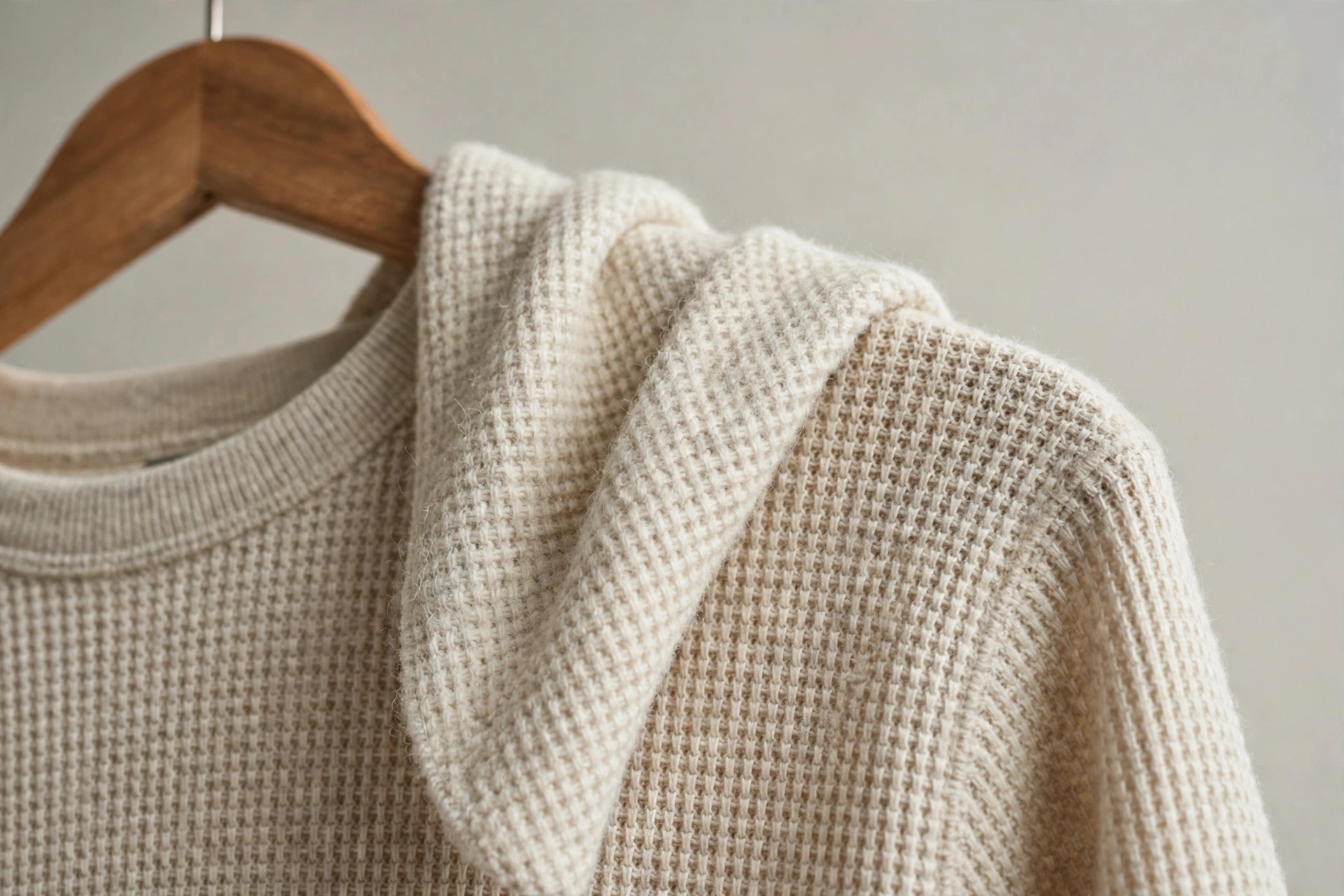
This is the layer that does the heavy lifting, and it’s where most women under-invest. A chunky cable-knit sweater, a quilted vest, or a soft flannel shirt traps warm air between your base and outer layers. Wool and cashmere blends outperform acrylic here — they insulate even when slightly damp, and they don’t develop that staticky, pilled look by February.
Budget-wise, expect to spend $50–$120 on a good mid-layer sweater from places like Everlane, Madewell, or J.Crew. One cream fisherman knit and one charcoal turtleneck will cover most of your winter outfits. If you tend to overheat indoors, consider a zip-neck or quarter-zip style so you can vent without stripping down.
The collar trick
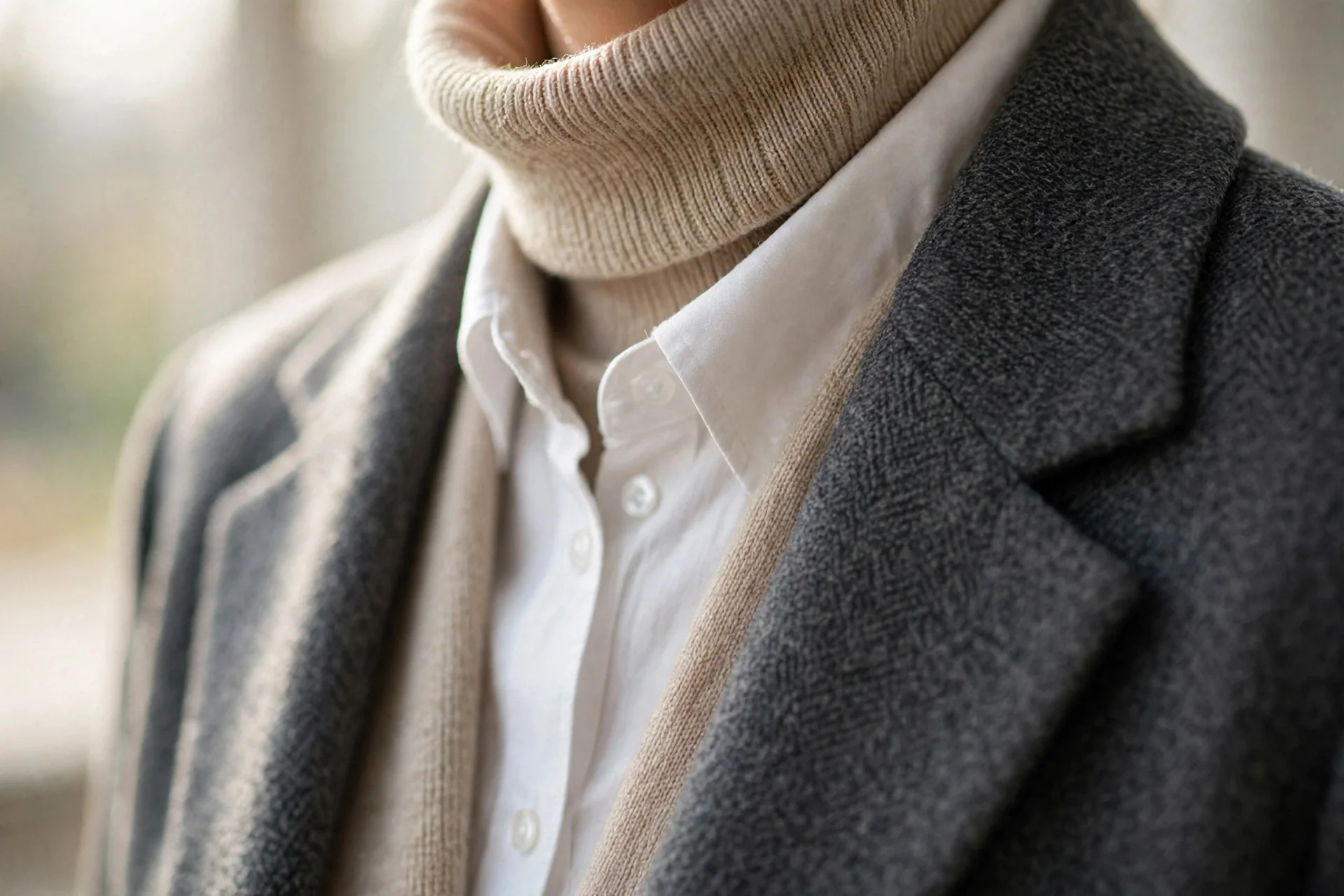
Here’s a small styling move with a big payoff: let a shirt collar or turtleneck peek out above your sweater or blazer. That half-inch of contrast at the neckline reads as intentional and polished, and it breaks up what would otherwise be a solid block of knit. It’s one of the simplest ways to make a basic layered outfit look considered.
Layer 3: The Outer Layer (The Finishing Touch)
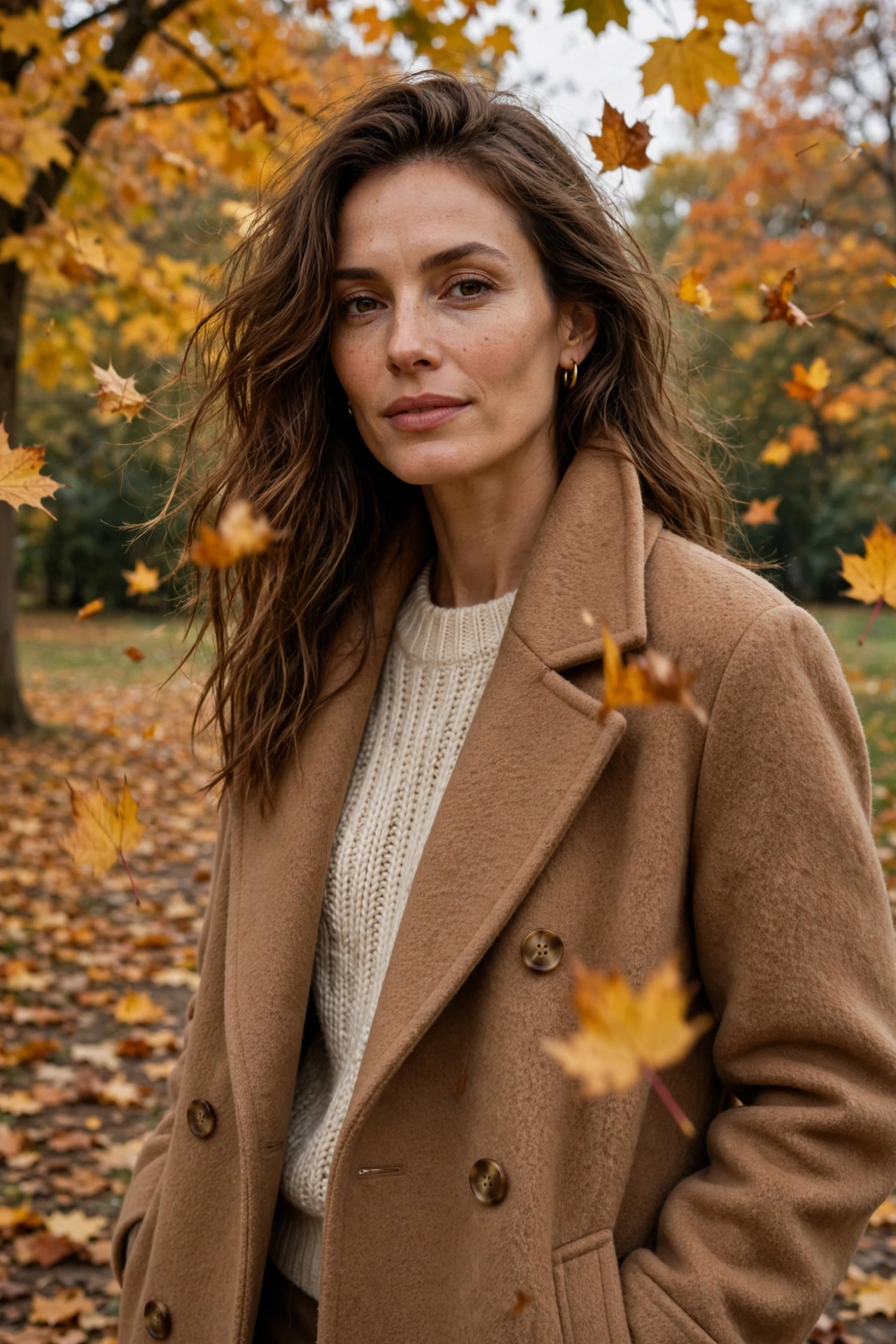
Your coat is the first and last thing anyone sees, so it carries more visual weight than anything underneath. For fall, a trench coat or wool-blend blazer ($80–$180 at Zara or Mango) handles most days. For real winter, you need a proper coat: a wool overcoat for dressier days, a down parka or puffer for the coldest ones.
Fit rule: your outer layer should close comfortably over your thickest middle layer. Always try on coats wearing a sweater, not a T-shirt — a coat that fits in the dressing room in September will strain at the buttons in January. Length matters too. A coat that hits mid-thigh or below the knee looks sleeker over layers than a cropped jacket, which can make stacked layers look chopped off at the waist.
Fabrics That Work (and Ones to Skip)
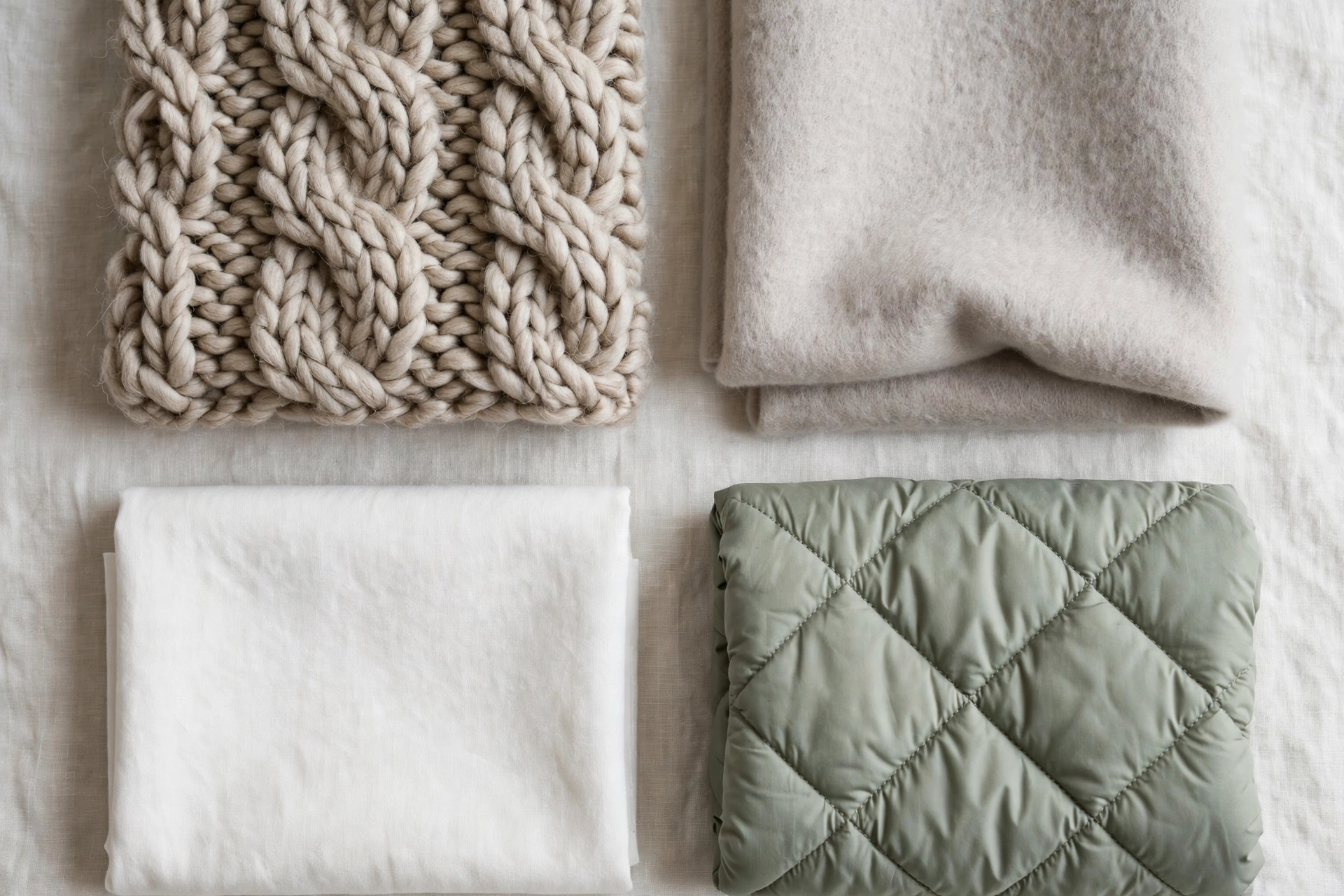
Fabric choice is the difference between layers that glide over each other and layers that cling, bunch, and spark. Here’s the short version:
- Wool and merino: warm, breathable, naturally odor-resistant. The gold standard for sweaters and base layers.
- Cashmere and cashmere blends: lighter than wool with a softer hand. A cashmere-blend sweater (around $90–$150) layers beautifully under coats without bulk.
- Down and synthetic fill: unbeatable warmth-to-weight ratio for outer layers. A packable down vest is a brilliant mid-layer on freezing days.
- Silk and silk blends: thin, smooth, and warm for their weight. A silk camisole makes a luxurious base layer under office clothes.
- Cotton: fine for a visible shirt layer, but keep it away from your skin as a base. It holds moisture and loses insulating power when damp.
- 100% polyester fleece: warm and cheap, but it pills quickly and can look shabby. Save it for athleisure, not polished outfits.
One more fabric rule: put smooth fabrics closest to your body and textured ones on top. A silky base layer lets a wool sweater slide instead of grabbing, which keeps everything sitting flat.
5 Outfit Formulas You Can Copy All Season
When you’re staring at your closet at 7 a.m., formulas beat inspiration. Each one below shows how to layer clothes for a different part of your life, so pick the ones that match your week. Try these:
- The office formula: silk camisole + white button-down + charcoal blazer + wool trousers + loafers. Peel off the blazer indoors and you still look complete.
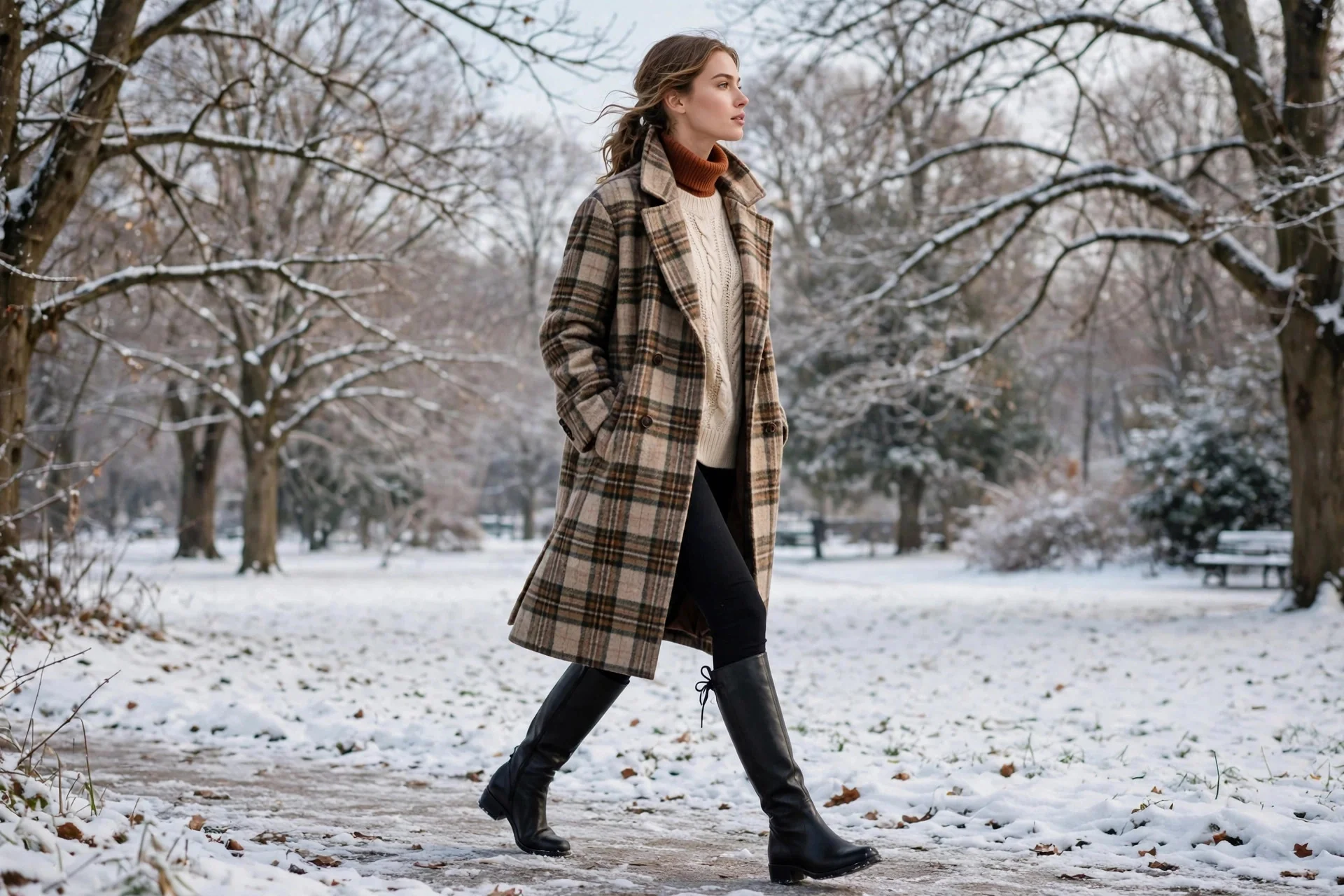
- The weekend formula: thermal base + cream cable-knit sweater + dark straight-leg jeans + camel wool coat + ankle boots. Classic for a reason.
- The dress formula: fleece-lined tights + sweater dress + knee-high boots + long coat. Add a belt over the dress to define your waist.
- The edgy formula: black turtleneck + plaid flannel shirt worn open + leather leggings + oversized blazer + chunky boots. If you love the relaxed silhouette, our guide on how to style oversized clothing pairs perfectly with this look.
- The deep-winter formula: merino base + quarter-zip fleece + down vest + parka + thermal leggings under jeans + insulated boots. Warm at 15°F, and you can shed layers as the day warms up.
Notice how many of these share the same core pieces — that’s the point. Investing in timeless fashion pieces means your layers mix and match instead of competing.
Layering Mistakes Most Women Make
Even with the right pieces, a few common missteps can undo your outfit:
- Too many bulky layers. Three thin, well-chosen layers beat two thick ones. If you can’t bend your arms comfortably, take something off.
- Ignoring proportions. Volume on top calls for something slimmer on the bottom, and vice versa. A chunky sweater with wide-leg pants swallows most frames — balance it with straight or tapered bottoms. The same principle applies when dressing for your body type.
- Forgetting a waistline. Layers add visual width. A belt, a half-tuck, or a cropped jacket over a longer layer restores your shape in seconds.
- Skipping the mirror check from the side. Outfits that look fine head-on can look lumpy in profile. A quick side glance catches bunching at the back and hem.
- Wearing the same color head to toe. Monochrome can be chic, but slightly varied tones — charcoal over black, cream over camel — give layers definition so they don’t blur into one blob.
- Buying pieces that don’t play well with others. Before you buy, check whether a new piece works with at least three things you already own. Random pretty pieces are why most closets feel full but outfits feel impossible — the whole point of learning how to layer clothes is building a wardrobe where everything cooperates.
Frequently Asked Questions
How many layers should I wear in winter?
Three is the sweet spot for most winter days: a moisture-wicking base, an insulating middle, and a weather-blocking outer layer. In extreme cold (below 20°F/-7°C), add a fourth — usually a vest or extra mid-layer — rather than making each layer thicker.
How do you layer clothes without looking bulky?
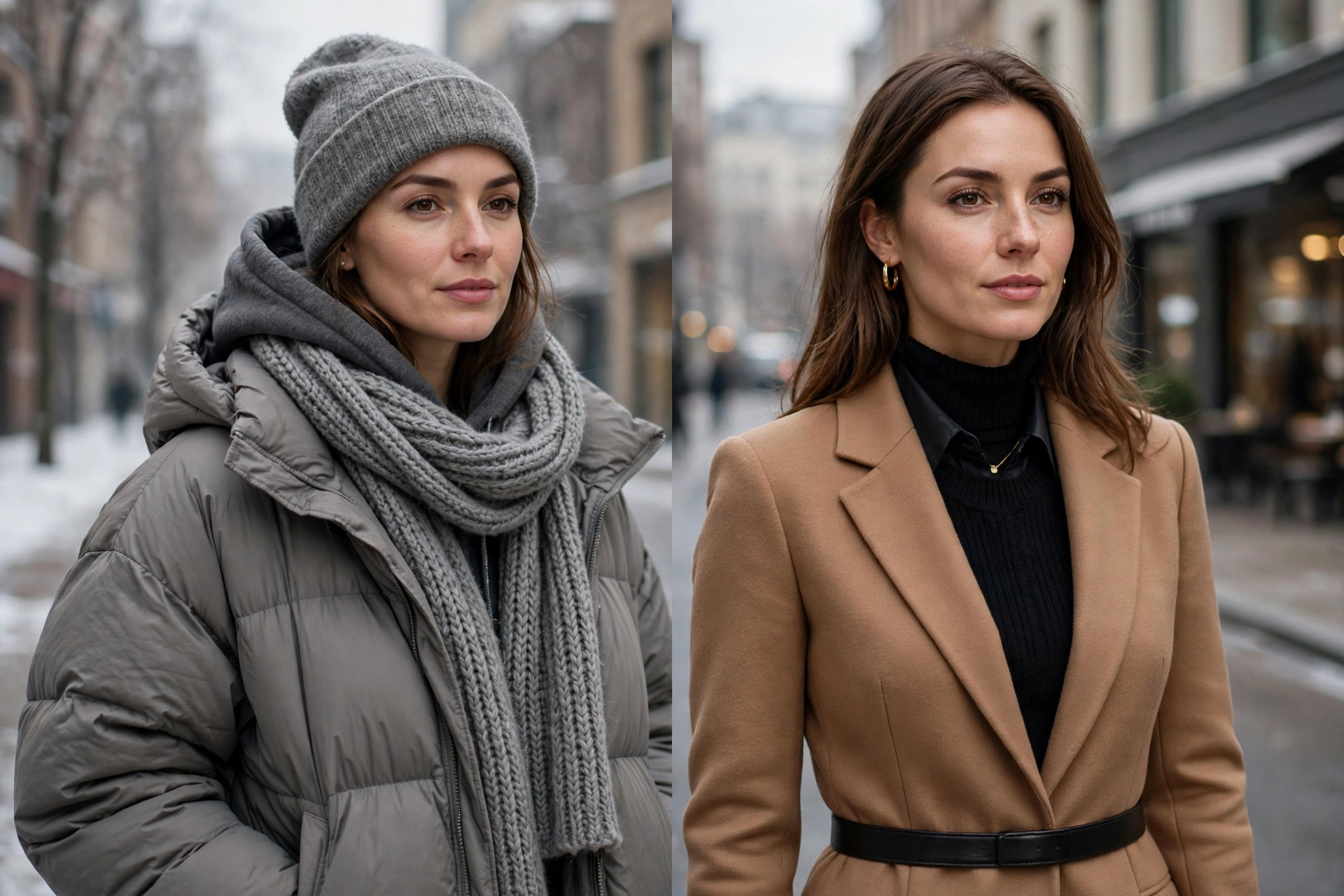
Keep each layer thin and fitted, vary the lengths so hems peek out in a deliberate cascade, and define your waist with a belt or tuck. Smooth fabrics underneath and structured pieces on top also keep the silhouette clean.
Can you layer a dress for winter?
Absolutely. Wear fleece-lined tights or thermal leggings underneath, add a fitted turtleneck under sleeveless dresses, and finish with knee-high boots and a long coat. A belt over the dress keeps your shape visible through the layers.
What is the best base layer fabric for cold weather?
Merino wool is the top pick — it wicks moisture, regulates temperature, and resists odor for days. Synthetic performance fabrics like Heattech are a solid budget alternative at around $20–$30 per piece.
Once you learn how to layer clothes with intention, cold weather stops dictating your style. Start with the three-layer formula, invest in fabrics that pull their weight, and lean on the outfit formulas above on busy mornings. Before long, layering will feel less like a chore and more like the fun part of getting dressed — the part where a few simple pieces turn into endless outfits.