
There’s a fine line between “effortlessly cool in an oversized blazer” and “drowning in your boyfriend’s closet.” Oversized clothing is one of the most comfortable trends of the last decade — and one of the easiest to get wrong. The good news? Learning how to style oversized clothing isn’t about having a model’s frame or a stylist on speed dial. It comes down to a handful of proportion rules, a few shaping tricks, and knowing which pieces actually work oversized (spoiler: not all of them). This guide covers all of it, plus five outfit formulas you can wear this week and the mistakes that turn relaxed into rumpled. And whether you’re petite, curvy, or tall, the principles behind how to style oversized clothing stay the same — only the small adjustments change.
How to Style Oversized Clothing: The Golden Rule of Proportion
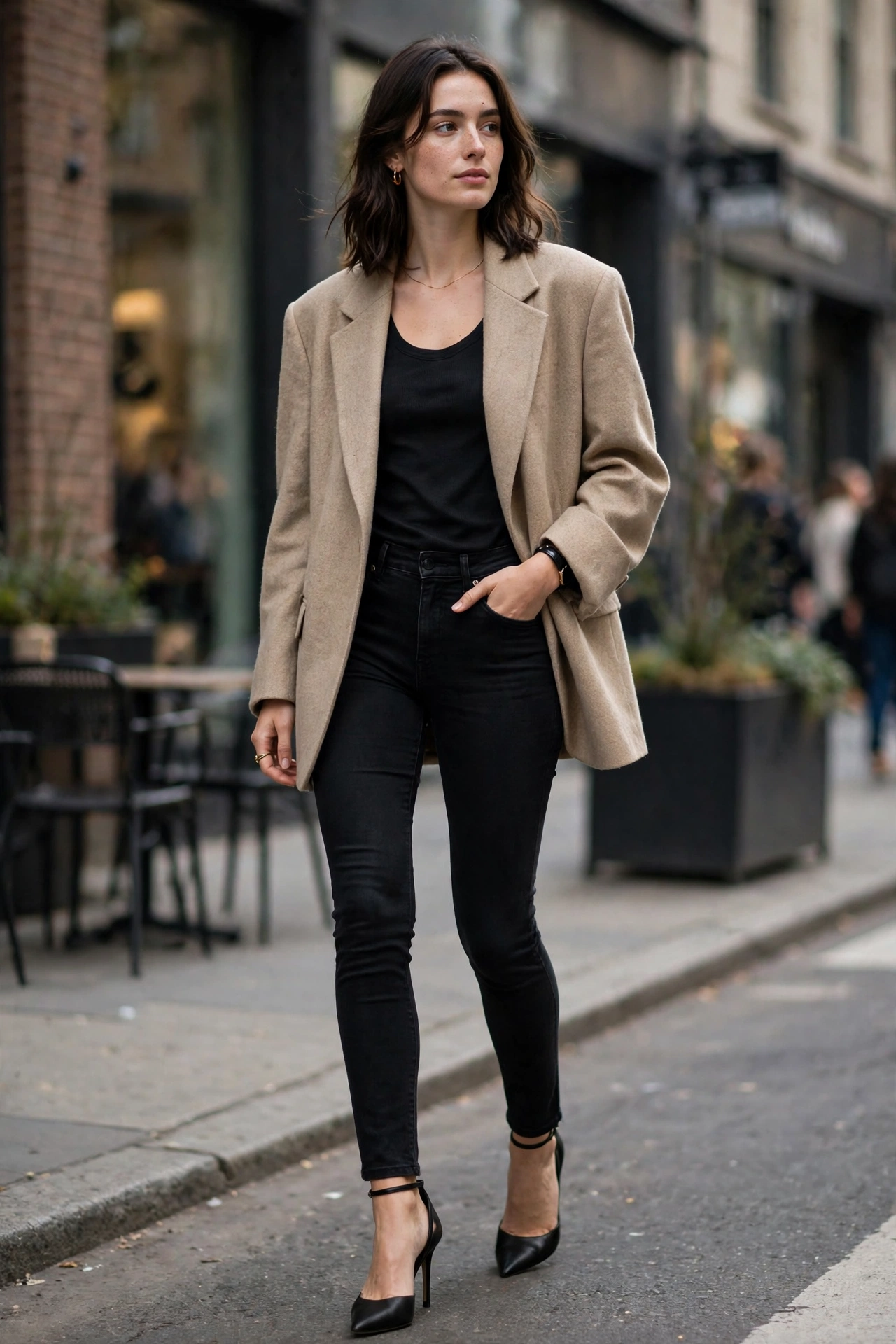
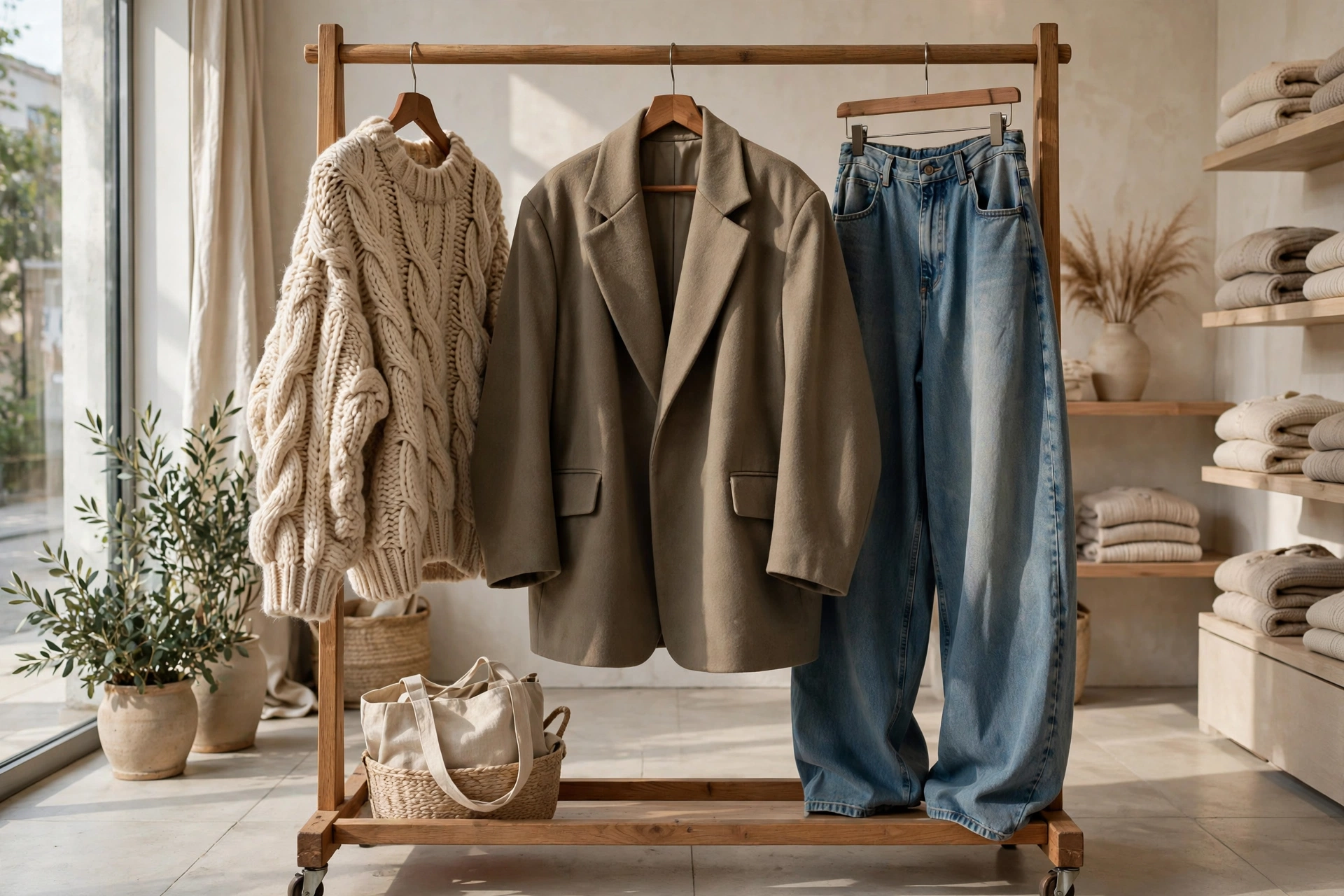
If you remember one thing from this guide, make it this: one oversized piece per outfit. Volume needs a counterweight. An oversized sweater looks intentional with slim jeans; the same sweater with wide-leg trousers makes you disappear inside your clothes. Think of every outfit as a balance — when the top goes big, the bottom stays streamlined, and vice versa.
This is also why fit still matters even when you’re buying “oversized.” The shoulders of an oversized blazer should still sit somewhere near your actual shoulders — dropped an inch or two is fine, sliding down your arms is not. The difference between deliberate oversized and simply too-big is structure: the former holds a shape, the latter collapses. When you try something on, it should look relaxed on purpose, not borrowed by accident.
Pick the Right Pieces to Go Oversized
Some garments were practically born oversized; others fight you every step of the way. Start with the winners:
Pieces that work beautifully oversized
- Blazers: the undisputed champion. An oversized blazer over a fitted top is the fastest way to look polished with zero effort.
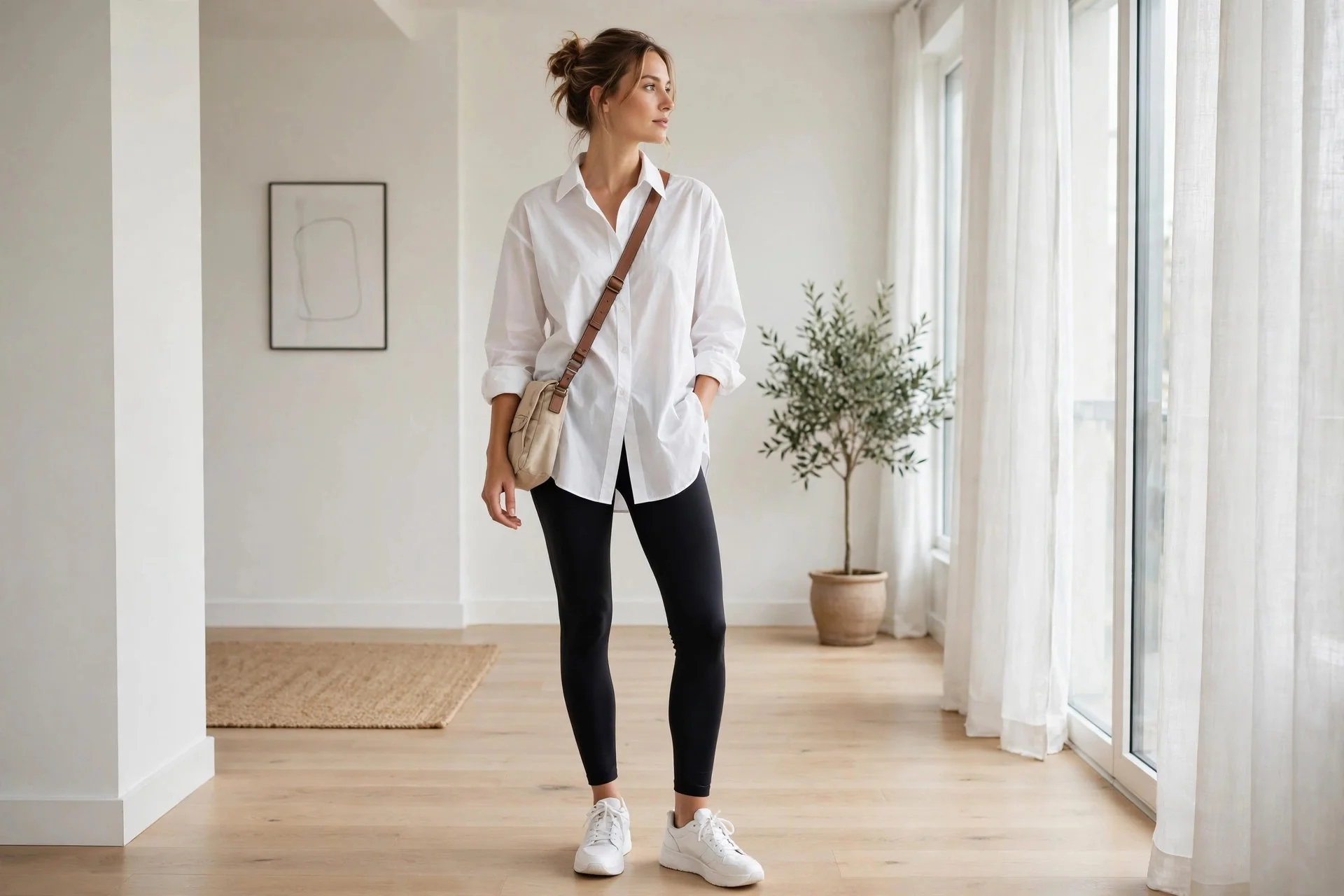
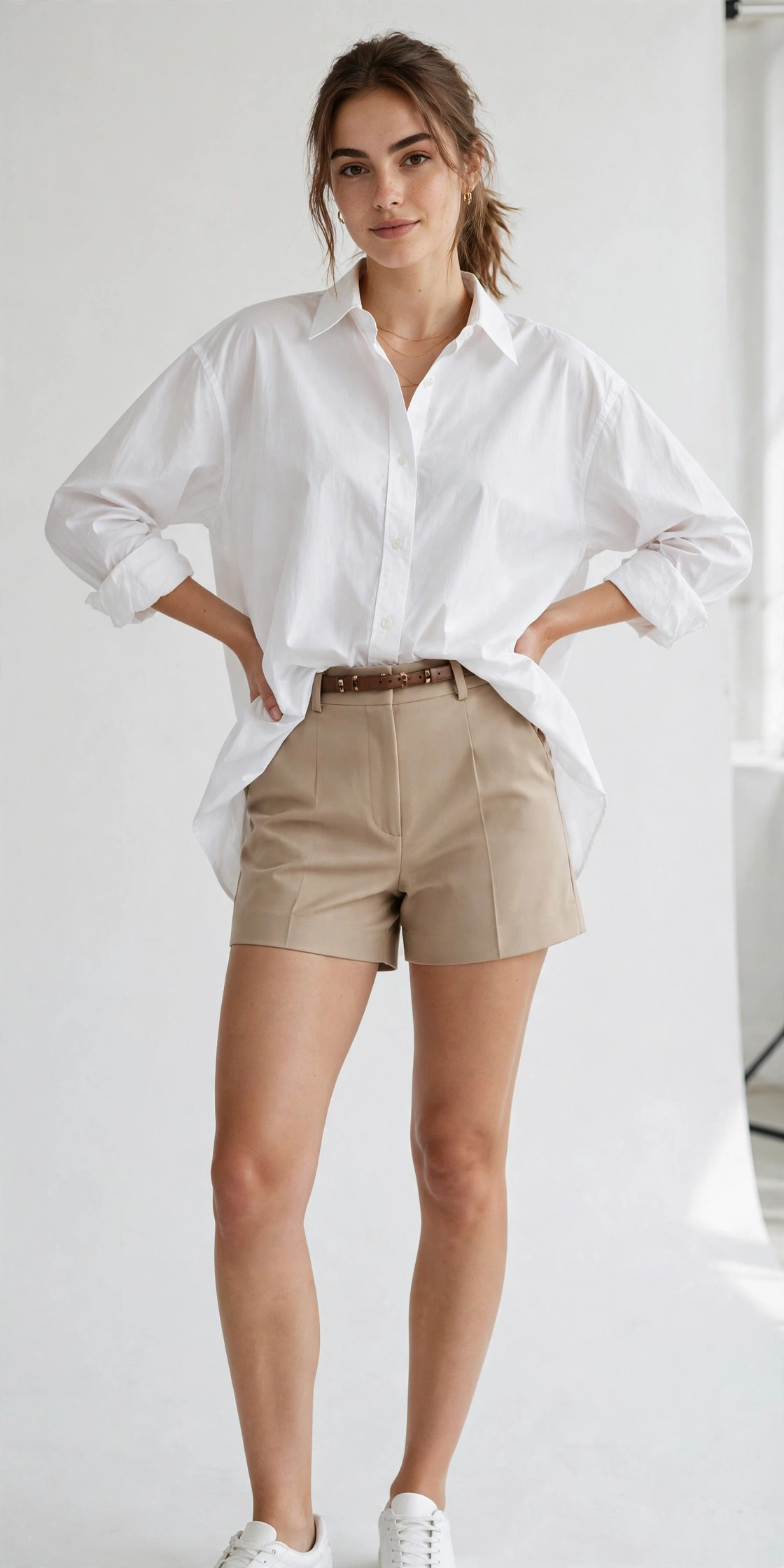
- Button-down shirts: wear them open over a tank, half-tucked into jeans, or belted as a shirt-dress.
- Knit sweaters: chunky knits, turtlenecks, and cardigans all drape better with room to breathe.
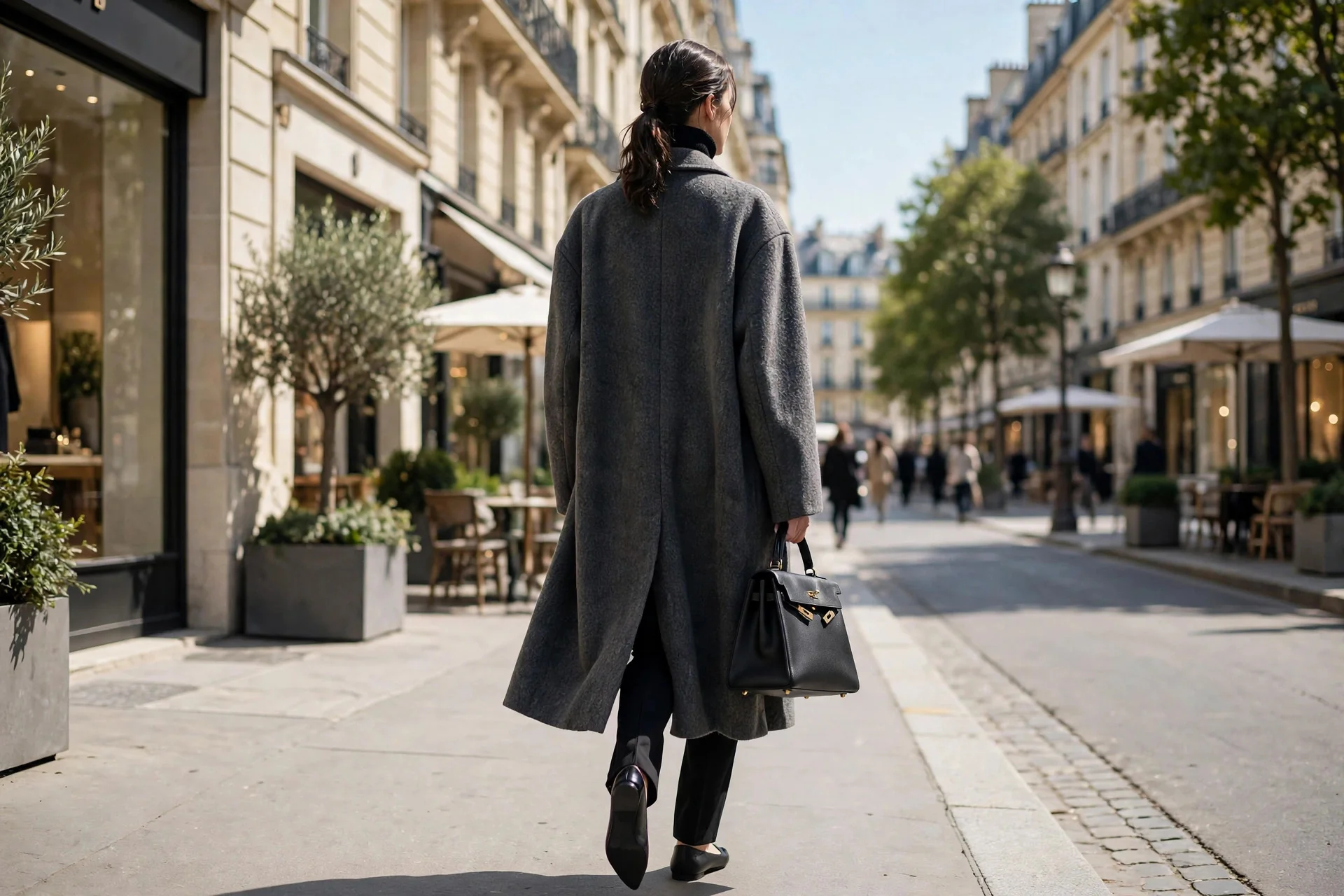
- Coats: an oversized wool coat over slim layers is a classic winter silhouette.
- Graphic and plain tees: one size up gives that relaxed, vintage feel without trying.
Pieces to keep fitted
- Trousers and jeans: unless you’re going for a deliberate wide-leg look, keep bottoms close to your real size — this is where the proportion rule does its work.
- Tailored dresses: an oversized sack dress rarely flatters; structure is the whole point of a dress.
- Anything with shoulder pads or strong tailoring: oversized plus built-in structure usually equals boxy in the wrong way.
If you’re building this look from scratch, start with one hero piece — an oversized blazer is the easiest entry point — and practice the shaping tricks below before adding more. That’s the fastest way to get comfortable with how to style oversized clothing without filling your closet with experiments.
A good rule of thumb when shopping: go one to two sizes up from your usual, not four. And check the fabric — stiff fabrics like denim and heavy twill hold an oversized shape, while clingy jersey just looks like the wrong size. Building around timeless fashion pieces in slightly relaxed cuts gives you the trend without the risk.
The Tuck, the Belt, and the Roll: Shaping Tricks That Save Every Outfit
Oversized pieces need a little intervention to show your shape. These three tricks take ten seconds and change everything:
The front tuck
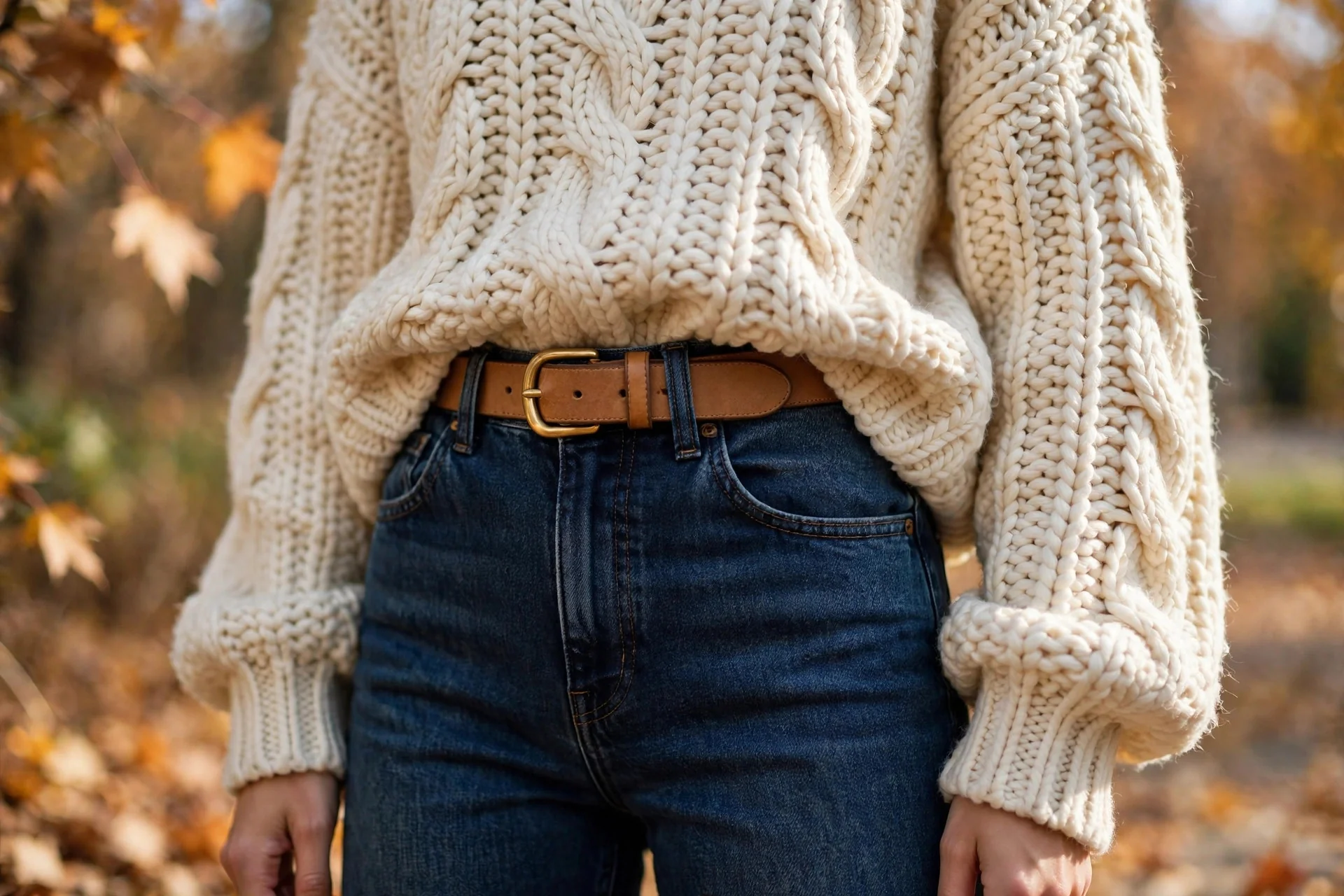
Tuck just the front center of your sweater or shirt into your waistband and let the sides hang loose. This single move defines your waist, shows where your torso ends and your legs begin, and instantly makes an oversized top look styled rather than sloppy. It works on knits, button-downs, and even sweatshirts.
The belt
When a piece is too voluminous to tuck — think oversized blazers, shirt-dresses, or long cardigans — a belt does the same job from the outside. A medium-width leather belt (around $30–$60 from brands like Madewell or ASOS) cinched at your natural waist turns a shapeless layer into a silhouette. For blazers, try belting over the blazer itself for a strong, modern look.
The sleeve roll
Oversized sleeves that swallow your hands make the whole outfit read as “too big.” Push or roll sleeves to just below the elbow to show some wrist — it creates a visual endpoint that keeps proportions in check and shows a little skin, which always lightens a heavy outfit.
5 Oversized Outfit Formulas That Always Work
Once you know how to style oversized clothing in principle, these formulas make it automatic:
- The blazer formula: oversized blazer + fitted white tee + straight-leg jeans + heeled ankle boots. Add a belt over the blazer if you want extra definition. Works for dinner, the office, and everything between.
- The cozy formula: chunky oversized turtleneck (front-tucked) + black leggings + knee-high boots + long coat. The leggings keep the bottom streamlined so the sweater can be as slouchy as it wants.
- The shirt-dress formula: oversized white button-down + tan belt at the waist + bare legs or sheer tights + loafers or white sneakers. Simple, fresh, and endlessly repeatable.
- The street-style formula: oversized graphic tee + bike shorts or slim jeans + chunky sneakers + crossbody bag. Keep accessories minimal — the relaxed proportions are the statement.
- The polished formula: long oversized wool coat + fitted black turtleneck + slim trousers + pointed flats + structured handbag. Proof that oversized can be the most elegant thing in your closet.
Most of these formulas pair beautifully with seasonal dressing — see our guide to layering clothes for fall and winter for how oversized pieces fit into cold-weather outfits.
Oversized for Different Body Types
Oversized clothing works on every body — the adjustments are small but they matter. If you’re petite (5’4″ and under), keep the oversized piece cropped or waist-defined so it doesn’t overwhelm your frame; an oversized cropped jacket beats a knee-length one. If you’re curvy, make sure the fabric skims rather than clings — stiff, structured oversized pieces show your shape better than thin, drapey ones that collapse against curves. And if you’re tall, you have the most room to play: long oversized coats and wide silhouettes look made for you.
The universal principle is the same one behind dressing for your body type in general: show one defined point — a waist, a wrist, an ankle — and let the rest relax. That single anchor of structure is what separates “intentionally oversized” from “lost in fabric.”
Mistakes That Make Oversized Look Sloppy
- Two oversized pieces at once. Oversized top plus baggy bottoms is the fastest route to looking unkempt. Pick one.
- Skipping the shaping trick. No tuck, no belt, no rolled sleeves — just a big shapeless mass. Always do at least one.
- Wrong fabric. Thin, clingy fabrics in oversized cuts look like mistakes. Choose fabrics with enough body to hold the intended silhouette.
- Ignoring hemlines. An oversized top that ends at the widest part of your hips cuts you in half visually. Aim for hems that hit above or below that point.
- Forgetting footwear. Sloppy shoes undo a good oversized outfit instantly. Clean sneakers, sleek boots, or polished flats ground the look.
- Wearing it wrinkled. Relaxed doesn’t mean rumpled. Oversized pieces show wrinkles more, so a quick steam ($25–$40 for a handheld steamer) is worth it.
One more: don’t buy oversized pieces in prints that are too busy. A giant floral on an already-voluminous shirt doubles the visual noise — solid colors and simple stripes are far more forgiving while you’re learning the ropes.
Frequently Asked Questions
How do I wear oversized clothes without looking fat?
It’s all about structure and proportion. Pair one oversized piece with fitted pieces elsewhere, define your waist with a tuck or belt, and show some skin at the wrists or ankles. The goal is a clear silhouette, not a bigger one.
What size should I buy for an oversized look?
Go one to two sizes up from your normal size — that’s the sweet spot for most brands. Check the shoulder seams: they should sit just past your natural shoulder, not halfway down your arm. And always consider the fabric; structured fabrics hold the look better.
Can petite women wear oversized clothing?
Yes, with two adjustments: keep the oversized piece on the shorter side (cropped jackets, hip-length sweaters) and always define your waist. Showing ankle or wrist keeps the proportions balanced so the clothes don’t wear you.
Are oversized clothes still in style?
Oversized silhouettes have moved past “trend” into modern classic territory — relaxed blazers, slouchy knits, and roomy coats have been wardrobe staples for years now. The key is styling them with intention, which is exactly what this guide is about.
Learning how to style oversized clothing is really about trusting the balance: one relaxed piece, one defined point, and the confidence to let the rest be easy. Start with an oversized blazer or a chunky knit from your own closet, try the front tuck tomorrow morning, and see how different the same clothes can feel. A capsule wardrobe built on a few great relaxed pieces will take you further than a closet full of fussy ones ever could.