
Ask a woman over 50 about her handbag and you will rarely get a casual answer. She will tell you exactly why she chose it, how long she has carried it, and what she would never buy again. That is because by this stage of life, a handbag is no longer an accessory — it is a daily companion, a personal archive, and one of the hardest-working items in your wardrobe.
The right bag pulls an outfit together, carries your life comfortably, and quietly signals your style. The wrong one drags you down — literally and figuratively. This guide to the best handbags for women over 50 covers what to look for, the timeless styles worth owning, the colors that go with everything, and how to spot genuine quality without paying designer prices.
Why the Right Handbag Matters After 50
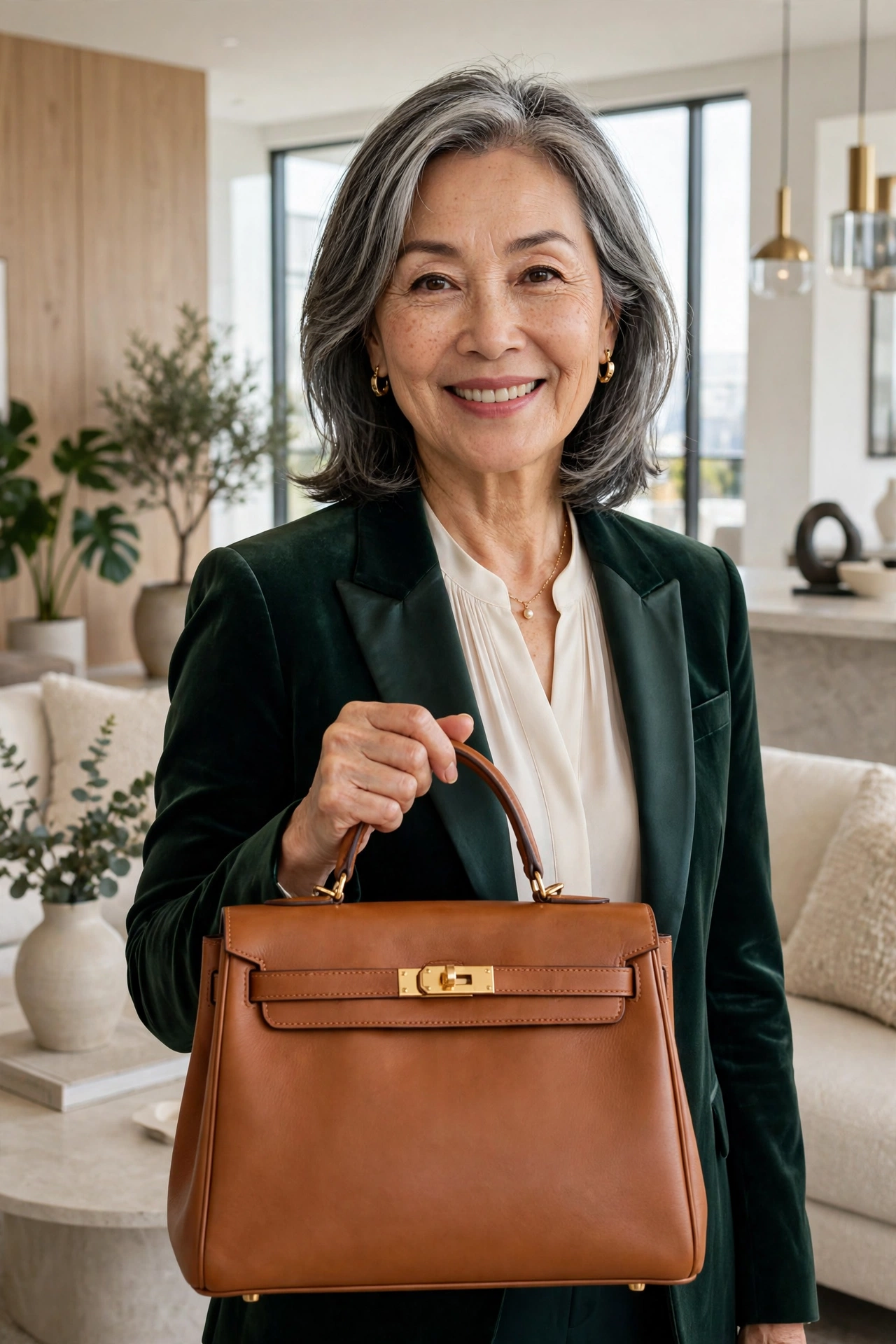
After 50, your handbag does more work than almost anything you own. It is in every photograph, it travels with you from morning errands to evening dinners, and it is the item people notice first — often before your clothes. A beautiful, well-kept bag elevates even the simplest outfit: jeans and a sweater become a look the moment a structured leather tote joins them.
There is also a practical dimension: shoulders, backs, and necks change over the decades, and a bag that felt fine at 35 can ache at 55. Weight, strap design, and how a bag sits on the body stop being minor details and become the whole point. The best handbag after 50 is the one that looks beautiful and feels like nothing to carry.
What to Look For: Size, Weight, Straps and Hardware
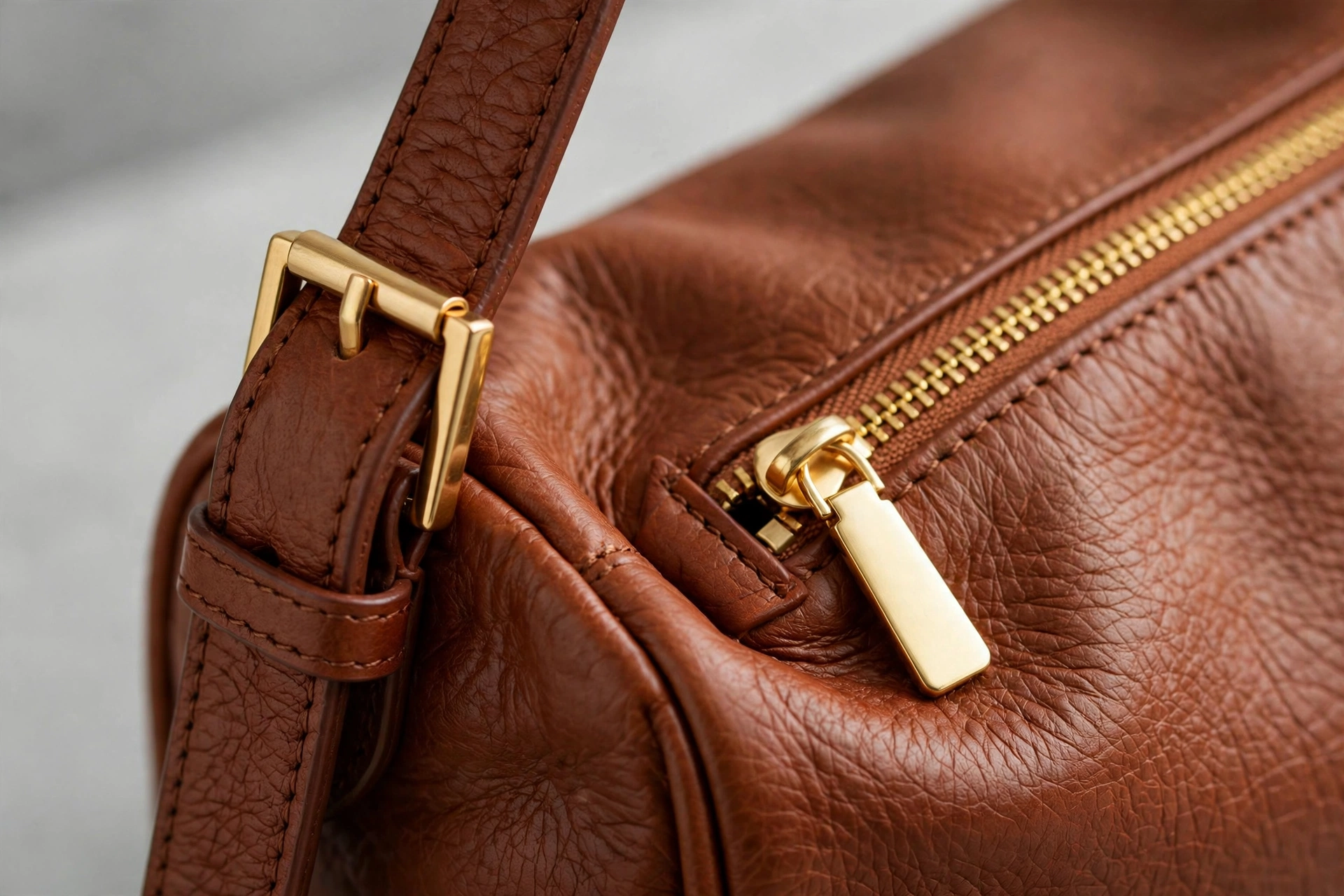
Before falling for a style, run every candidate through this checklist:
- Weight — empty first. Pick up the bag empty. If it already feels heavy, walk away; once loaded with wallet, phone, glasses, and keys, it will only get worse. Lightweight construction is a feature, not a compromise.
- Size — proportional to you. Oversized bags overwhelm petite frames and make anyone look smaller beside them; tiny bags on a taller woman look like an afterthought. The bag should relate to your body the way a well-cut jacket does — in proportion.
- Straps — comfortable and adjustable. Look for a shoulder strap that actually stays on the shoulder (slippery narrow straps slide off coats) and, ideally, a crossbody option for hands-free days. Padded or wider straps distribute weight far better than thin chains.
- Hardware — quiet and sturdy. Zippers should glide, clasps should close with one hand, and metal fittings should feel solid rather than tinny. Understated gold or silver hardware outlasts trendy finishes every time.
- Closure — secure but simple. A bag you cannot open while holding coffee is a bag you will resent. Magnetic snaps, top zips, and simple turn-locks beat fiddly buckles for daily use.
- Interior — visible and organized. A light-colored lining makes everything findable; dark linings swallow keys whole. One or two interior pockets are plenty — more than that adds weight and bulk.
Timeless Style One: The Structured Tote
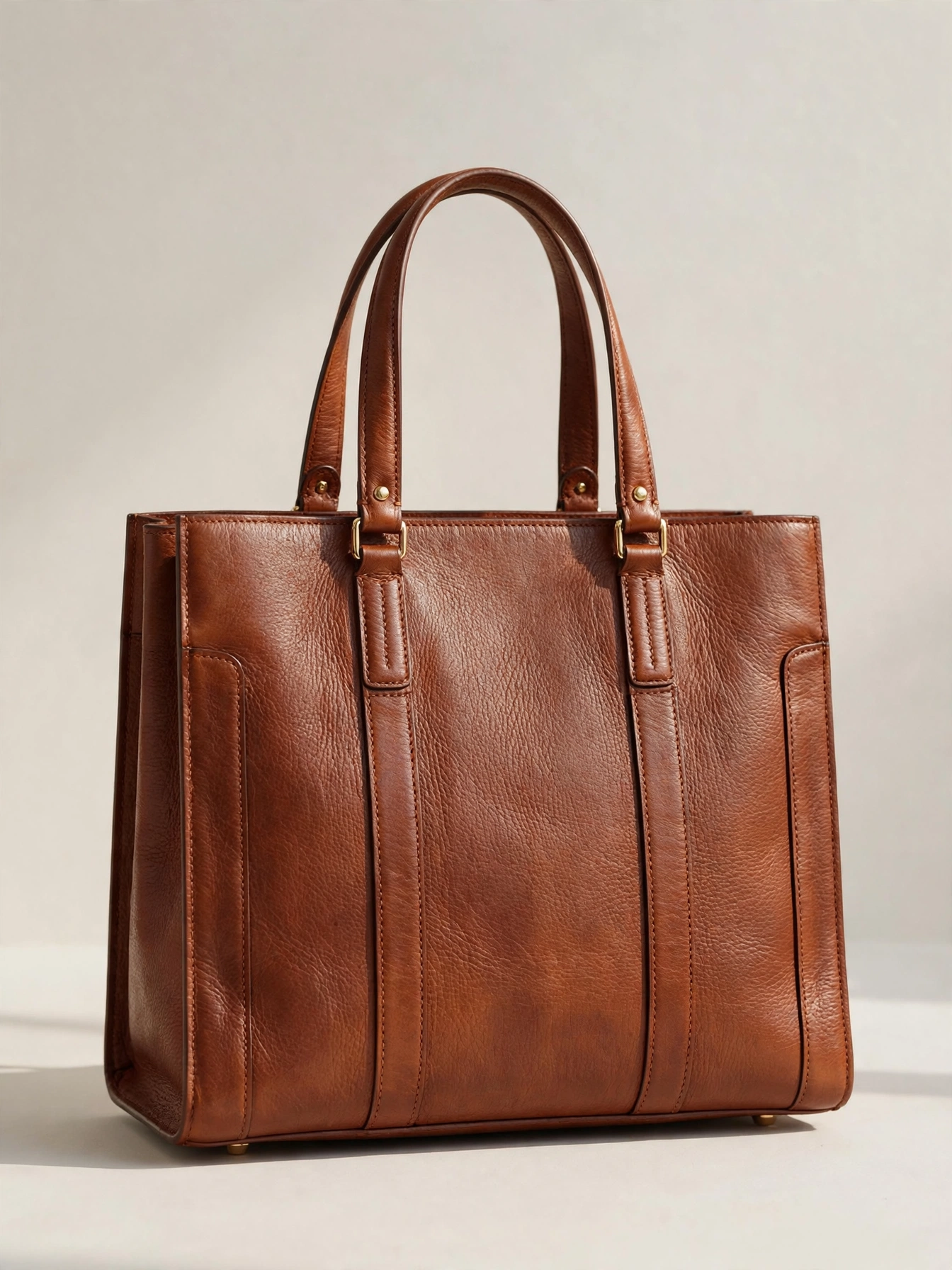
If you own one bag, make it a structured tote in a neutral leather. It carries work essentials, doubles as a travel bag, and looks polished from the office to dinner. The structure is what keeps it elegant — a tote that holds its shape looks intentional; one that slouches into a puddle looks tired.
Choose a medium size (large enough for a tablet or small laptop, not so large it becomes luggage), reinforced handles, and a top zip or magnetic closure for security. Black, cognac, navy, and taupe are the colors that earn their keep. A well-made tote is one of the true timeless pieces every woman should own — buy it once, in real leather if your budget allows, and it will serve you for a decade or more.
Timeless Style Two: The Top-Handle Bag
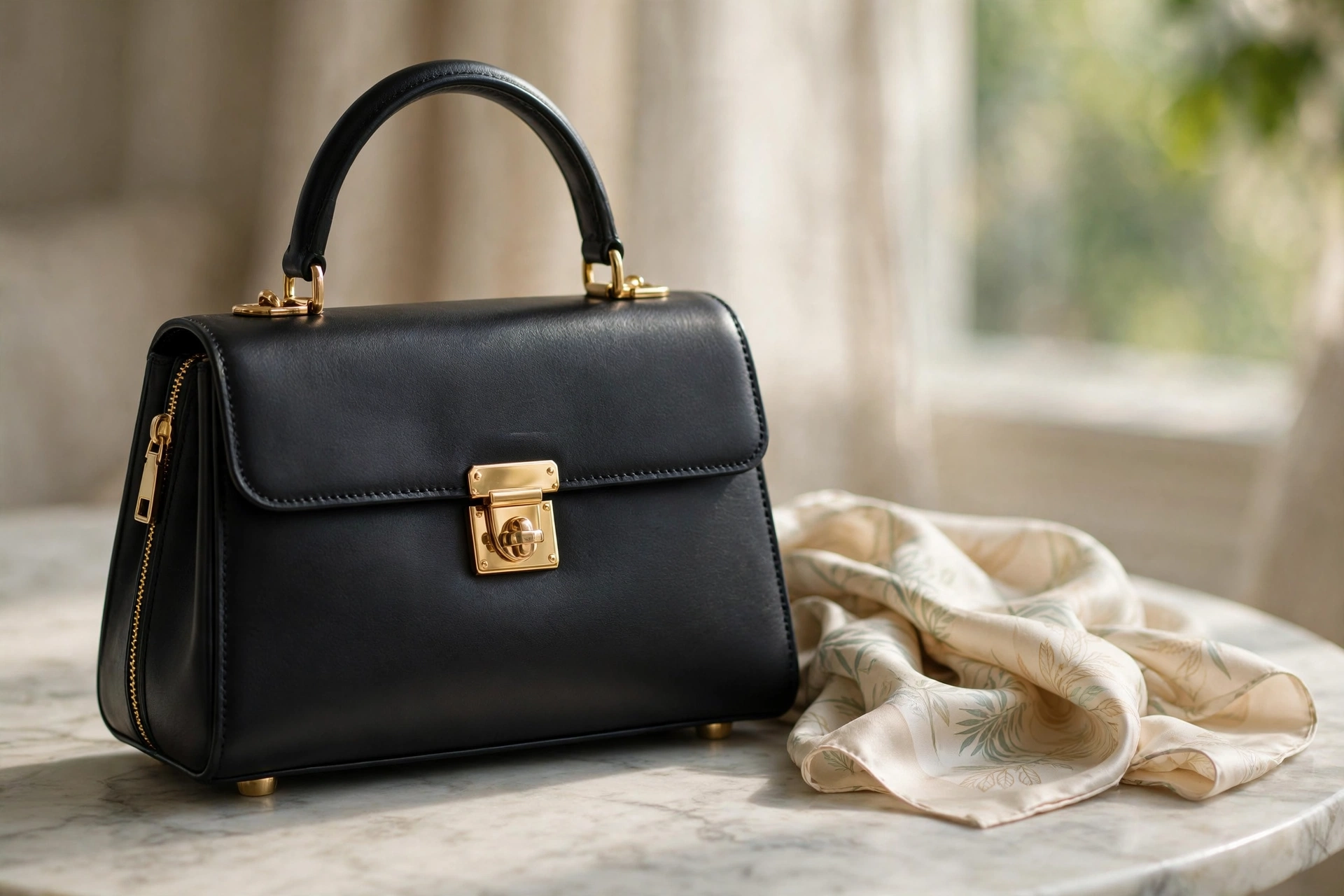
The top-handle bag is the most ladylike silhouette in the handbag world — and it has never looked better than on a woman over 50. Carried in the hand or the crook of the arm, it adds instant polish to everything from a sheath dress to tailored trousers.
Look for a structured shape, a comfortable handle with a comfortable drop (it should clear your forearm easily), and a detachable shoulder strap for versatility. This is your occasions bag: lunches, events, evenings when a tote would be too casual but a clutch too small. In croc-embossed or smooth calfskin, in black, bordeaux, or cream, it reads as pure quiet elegance.
Timeless Style Three: The Crossbody
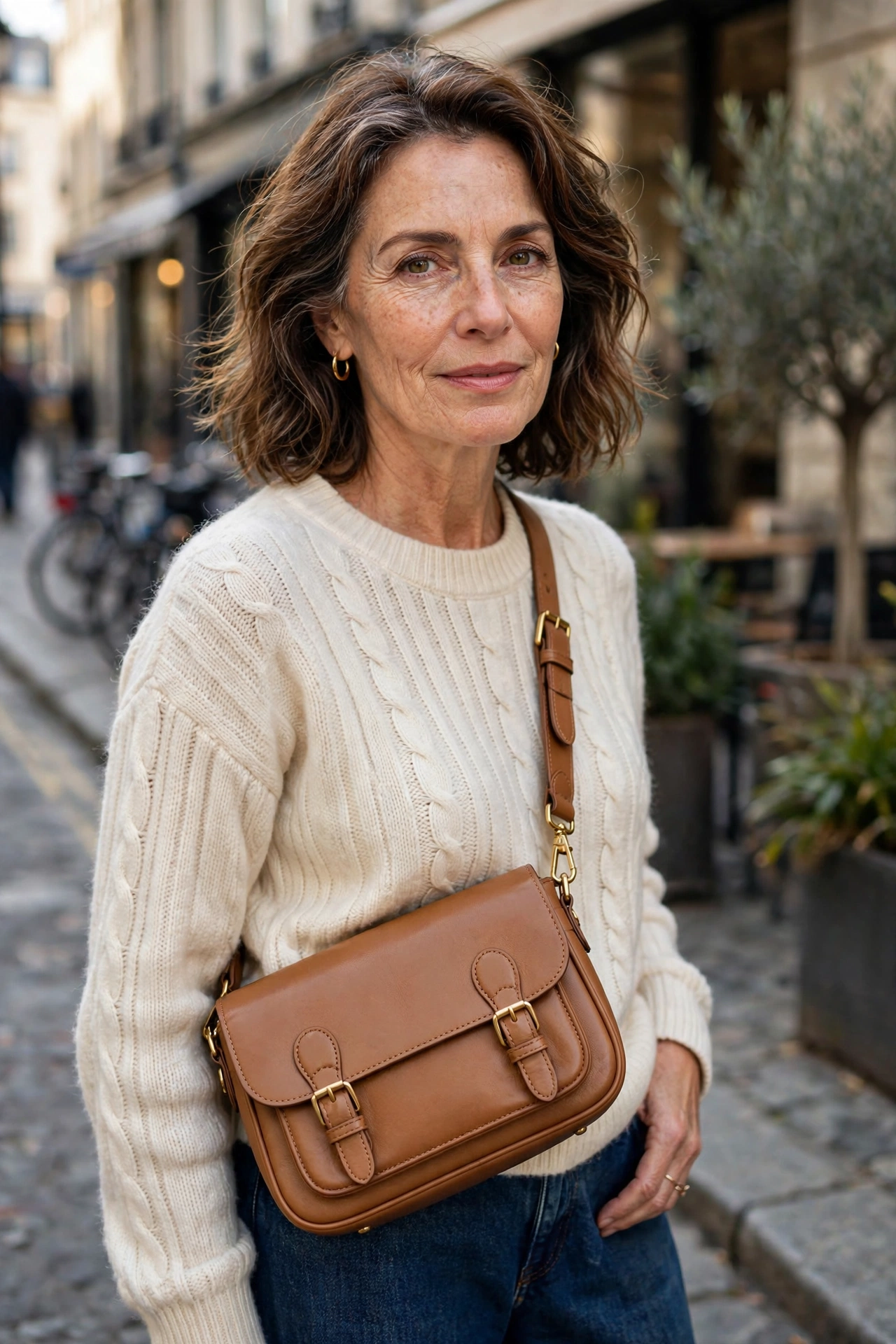
Worn across the body, it distributes weight evenly, keeps your hands free, and sits securely in crowds — the safest everyday choice.
The trick is finding one that doesn’t look sporty. Choose a structured rectangular or gently curved shape in leather (not nylon), with an adjustable strap you can shorten to wear on the shoulder too. A medium crossbody in tan, black, or olive handles 90% of daily life. For evenings, a smaller crossbody on a chain strap in a metallic or dark tone transitions beautifully to dinner.
Timeless Style Four: The Clutch and Evening Bag
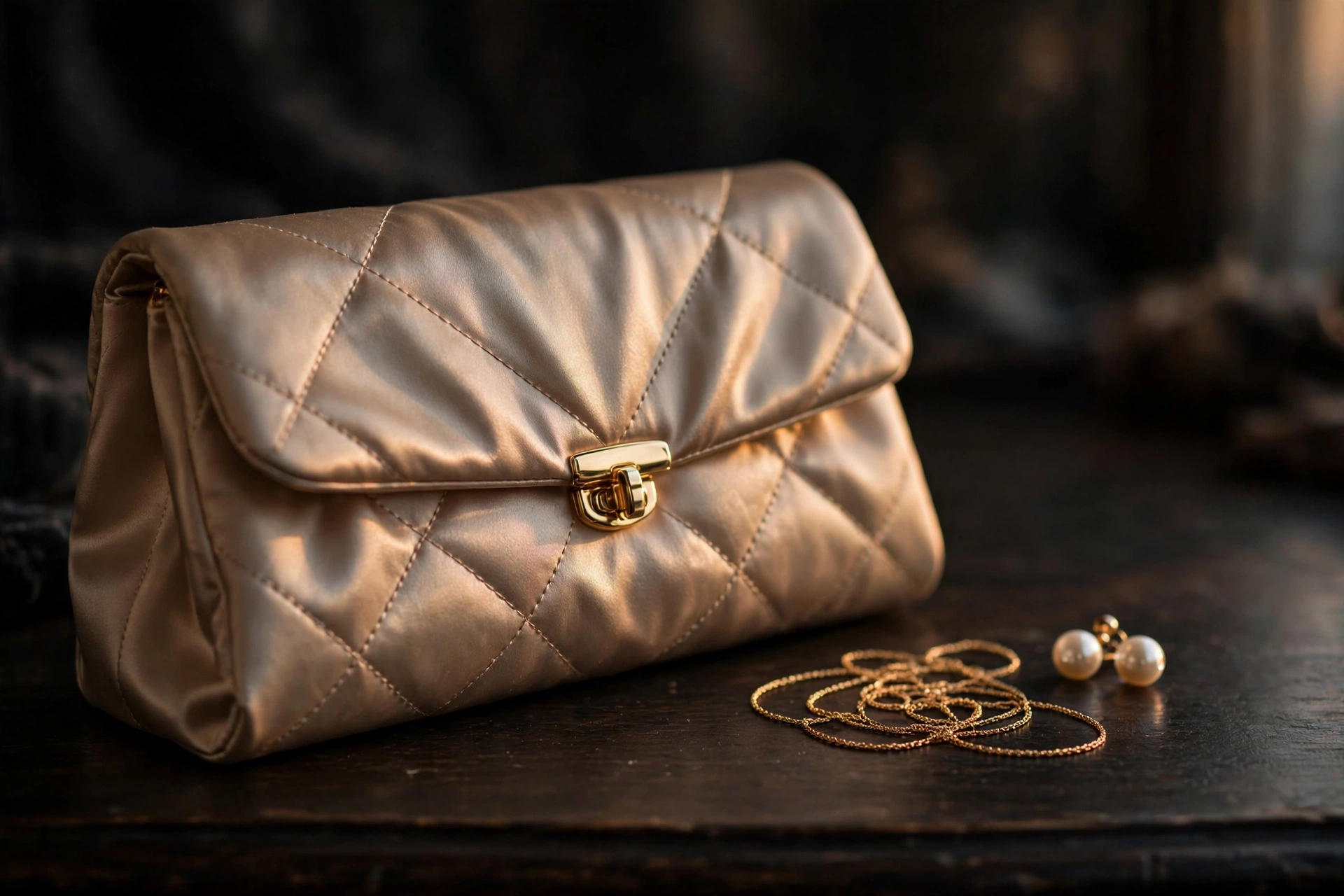
Every woman over 50 needs one beautiful evening bag. It doesn’t have to be large — phone, lipstick, a card case, and a key are the whole brief. What matters is that it looks special: a structured minaudière, a soft envelope clutch in satin or velvet, or a small chain-strap bag in gold, champagne, or black.
Choose something that complements your jewelry, and make sure it has a strap or chain option — a clutch you must grip all evening leaves you one-handed at the canapé table. One excellent evening bag covers weddings, galas, holiday parties, and every good dinner for years.
Colors That Work With Everything
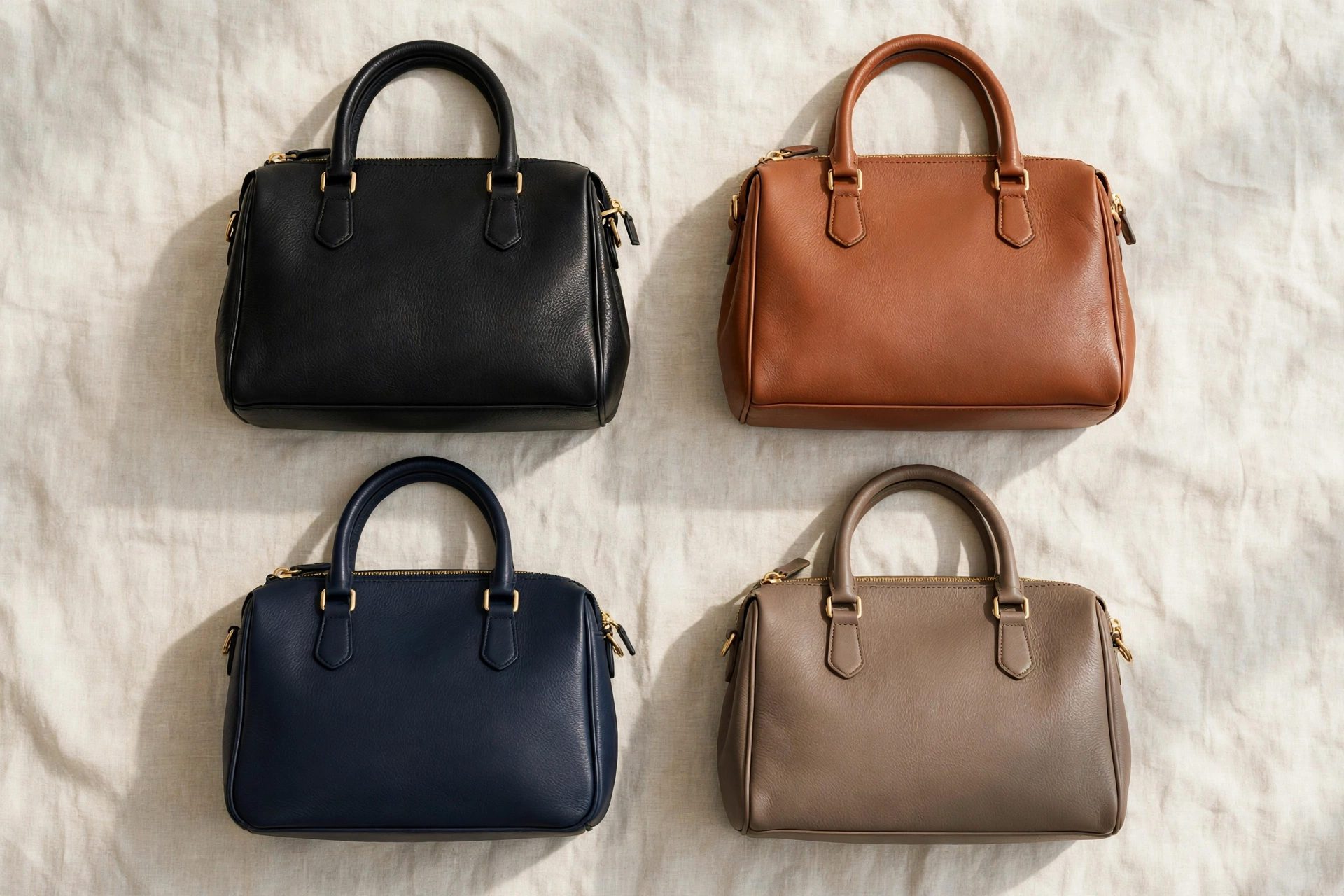
A handbag wardrobe, like a clothing wardrobe, benefits from discipline. These are the colors that justify their place:
- Black: the default for evening and formal settings; choose pebbled or smooth leather in a matte finish.
- Cognac / tan: the warm neutral that goes with navy, cream, denim, olive, and brown — arguably the most versatile bag color of all.
- Navy: softer than black against mature skin tones, and it pairs with everything black pairs with.
- Taupe / greige: the quiet neutral for light-colored wardrobes; elegant without demanding attention.
- Burgundy / oxblood: the accent color that still behaves like a neutral — rich, seasonal, and endlessly chic.
Honest materials and solid construction are the entire philosophy behind the quiet luxury look on a budget, and handbags are where it shows most.
One guiding principle from capsule wardrobe thinking applies perfectly here: each bag should coordinate with most of your wardrobe, not just one outfit. A bag that only works with a single dress is a decoration, not an investment.
How to Spot Quality Without the Designer Price
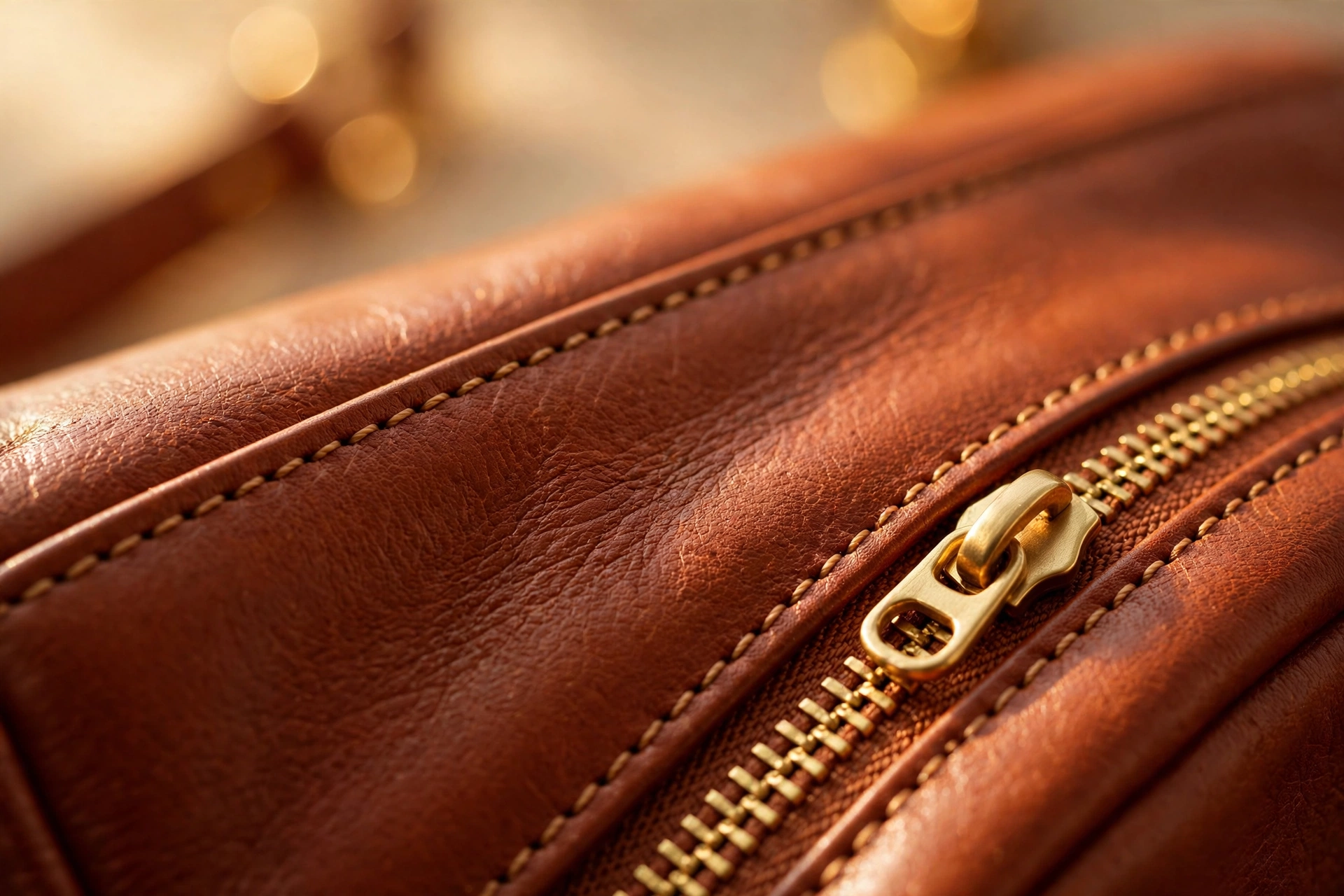
You do not need a designer label to carry a beautiful bag — you need to know what quality looks like. Train your eye and your hands:
- Touch the leather. Real, good leather feels supple and slightly warm, with natural grain variation. It should not feel plasticky, papery, or oddly perfect — flawless uniformity usually means coated or synthetic.
- Check the stitching. Straight, even, tight stitches with no loose threads. Turn the bag over and check the bottom and strap attachments — that is where cheap construction shows first.
- Smell it. Real leather has a distinct rich smell; strong chemical or glue odors signal cheap manufacturing that will not age well.
- Inspect the edges. Painted or burnished edges should be smooth and even, not cracked or peeling. Raw, unfinished edges fray within months.
- Test the hardware. Zippers from reputable makers glide smoothly; clasps should feel weighty. Lightweight, hollow-feeling metal is the first thing to fail.
Where to find it affordably: mid-range heritage brands, independent leatherworkers, and the secondhand market — a pre-owned designer bag from a reputable reseller often costs less than a new mid-range bag and lasts longer.
Organizing, Storing and Caring for Your Bags
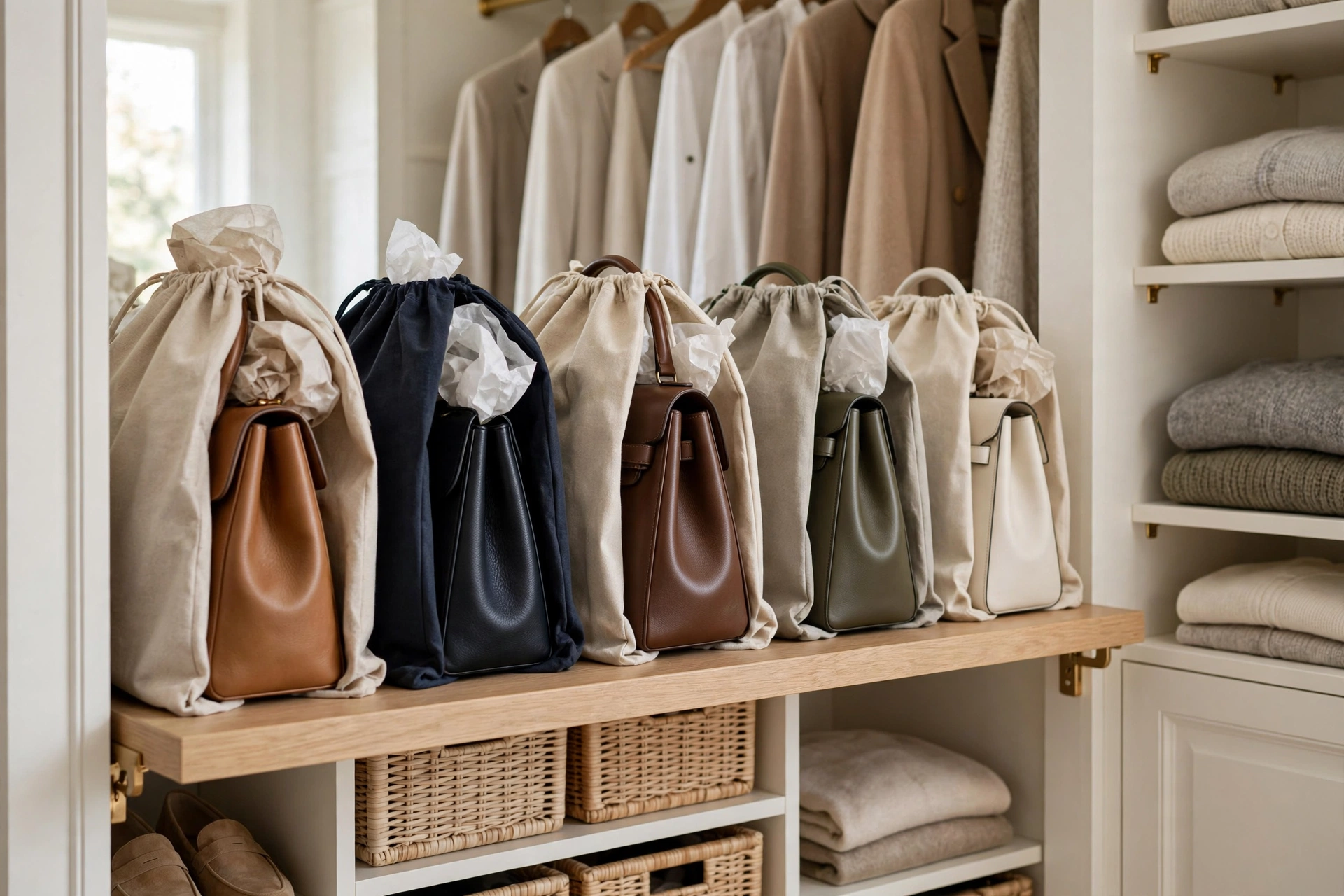
A small collection of well-kept bags beats a closet of neglected ones. A few habits protect your investment:
- Stuff and store upright. Fill bags with tissue or a soft insert to hold their shape, and store them upright on a shelf — never stacked or hanging by their straps, which stretches handles over time.
- Use dust bags. They protect against light, dust, and scratches. Keep hardware from touching other bags’ leather, which causes marks.
- Rotate regularly. Using the same bag daily wears it out years faster. Rotation lets leather rest and recover its shape.
- Clean and condition. Wipe leather with a soft dry cloth regularly; condition smooth leather once or twice a year with a quality leather conditioner. Address stains promptly — the longer they sit, the more permanent they become.
- Edit the contents monthly. Bags accumulate: old receipts, dried-out pens, three lip balms. A five-minute clear-out keeps the weight down and everything findable.
When to Retire a Bag
Some bags have served their time. Consider retiring: anything with peeling “vegan leather” coating (it only gets worse), bags with broken zippers that cost more to repair than replace, oversized heavy bags that hurt your shoulder, and trendy logo-covered styles that now date every outfit. A bag with cracked handles or a failing lining has earned its rest.
A beloved but worn bag can become a car bag, a craft tote, or a donation. But your daily rotation deserves better: bags that are light, sound, and make you feel polished every time you pick them up.
Handbag FAQs
How many handbags does a woman over 50 need?
Four covers nearly everything: a structured tote for day, a crossbody for hands-free life, a top-handle for occasions, and a small evening bag. Add a fifth only if your lifestyle demands it — quality over quantity is the whole game.
What is the most versatile handbag color after 50?
Cognac or tan. It pairs with navy, black, cream, denim, olive, and brown — more of a typical wardrobe than any other single color. Black is the runner-up, essential if your wardrobe leans formal or monochrome.
Are heavy handbags bad for your shoulders?
Yes — a heavy bag carried daily contributes to neck, shoulder, and back pain. Choose lightweight construction, wider straps, and edit the contents regularly. If a bag hurts, it doesn’t matter how beautiful it is.
Should I invest in a designer handbag after 50?
Only if the specific bag earns it through daily use and genuine love — not for the label alone. A well-made mid-range bag in real leather, chosen carefully, looks just as elegant and often wears better than a trendy designer piece.
What handbag styles are timeless and never go out of fashion?
The structured tote, the top-handle bag, a simple rectangular crossbody, and a classic envelope clutch. Clean lines, quality materials, and minimal hardware are what make a bag timeless — trends in shape and decoration are what date it.
How do I keep a light-colored handbag clean?
Handle with clean hands, store in its dust bag away from dark garments (dye transfer is the main enemy), wipe regularly with a soft cloth, and treat stains immediately. Light bags need more attention, but the elegance is worth the habit.
Is it okay to carry the same bag every day?
It is fine, but rotation is kinder — to the bag and to your outfits. Even alternating between two bags doubles each one’s lifespan and keeps your look feeling intentional rather than automatic.
The bottom line: the best handbag after 50 is light on your shoulder, right for your proportions, made of honest materials, and beautiful enough to make you smile every time you pick them up. Own a few, choose them well, care for them properly — and let the bag do what it has always done best: carry your life with grace.