
Have you ever left a spa feeling like a brand-new person? That glow doesn’t happen by accident. Behind every relaxed client and flawless facial is a trained professional who knows exactly how to combine science, skill, and a personal touch.
That professional is a beauty therapist.
As more people invest in self-care, the beauty and wellness industry keeps growing fast. And with that growth comes a rising demand for skilled therapists who can deliver real results, not just relaxation.
So what does this job actually involve, and how do you break into it? Let’s walk through everything you need to know, from daily duties to salary expectations and the exact steps to get started.
What Is a Beauty Therapist?
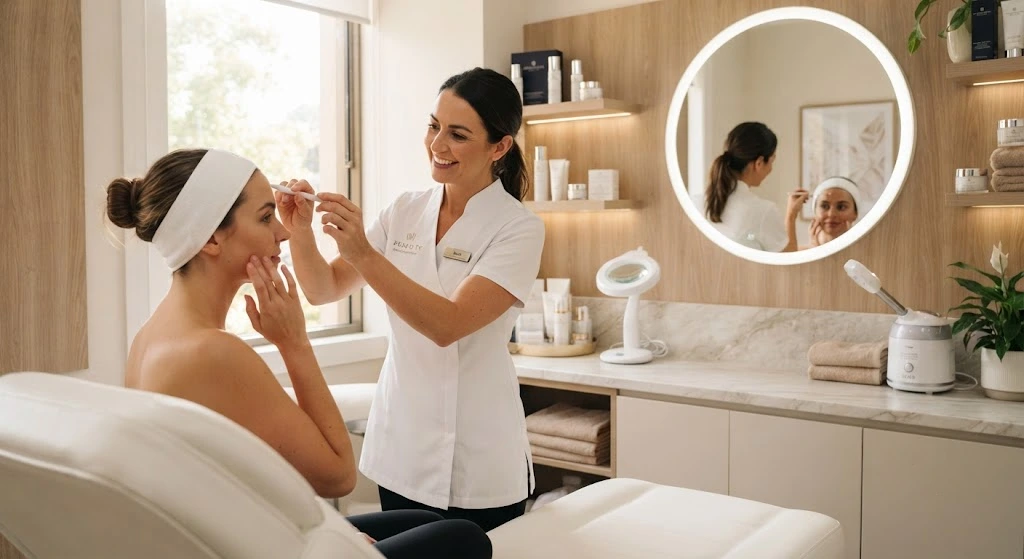
A beauty therapist is a trained professional who performs treatments designed to improve how a client looks and feels. This includes everything from skincare and facials to waxing, massage, and nail care.
Beauty therapists don’t just follow a routine. They study a client’s skin type, lifestyle, and goals before recommending the right treatment and products.
Most beauty therapists hold accredited certifications that prove their technical skills and professionalism. You’ll typically find them working in:
- Day spas
- Beauty salons
- Wellness centers
- Hotel and resort spa facilities
Hygiene, strong communication, and a commitment to ongoing learning are at the core of this profession.
What Does a Beauty Therapist Do Day to Day?
A beauty therapist’s main goal is simple: help clients look their best and feel confident in their own skin. Here’s what that looks like in practice.
Core responsibilities include:
- Performing facials, waxing, manicures, pedicures, and body massages
- Delivering advanced treatments like chemical peels or microdermabrasion
- Evaluating each client’s skin and recommending personalized treatment plans
- Following strict hygiene and safety protocols
- Keeping accurate, detailed client records
Every treatment is a mix of technical precision and genuine care, which is why strong people skills matter just as much as technical training.
Qualifications You Need to Become a Beauty Therapist
Becoming a licensed beauty therapist takes structured training. Each qualification builds on the last, helping you grow from beginner to expert.
| Qualification | What It Covers |
|---|---|
| Level 1 Certificate in Beauty Therapy | Basic treatment skills, workplace safety, and customer care for beginners |
| Level 2 Diploma for Beauty Professionals | Core techniques in facials, waxing, manicures, and hygiene |
| NVQ/SVQ Level 2 or 3 | Classroom learning combined with real salon experience |
| Level 3 Diploma in Beauty Therapy | Advanced skincare, body massage, and electrotherapy |
| ITEC or VTCT Diplomas | Internationally recognized training for global career mobility |
| HNC or HND | Salon management, communication, and leadership skills |
| Level 2 Apprenticeship Standard | Paid, hands-on training alongside academic instruction |
| CIBTAC Level 4 Diploma | Salon and spa management, staffing, and business strategy |
| ITEC Level 4 Diploma in Advanced Skincare | Clinical-grade facials and corrective skincare techniques |
Picking the right path depends on your goals. If you want to open your own spa one day, management-focused diplomas are worth the investment early on.
Beauty Therapist Salary: What Can You Expect to Earn?
Pay for beauty therapists depends heavily on experience, qualification level, and where you work. Therapists in high-end spas or medical aesthetics clinics generally out-earn those in entry-level salon roles.
| Qualification Level | Experience | Average Annual Salary (USD) | Typical Workplace |
|---|---|---|---|
| Level 2 Diploma / Entry-Level | 0–2 years | $40,000–$55,000 | Salons, spas, wellness centers |
| Level 3 Diploma / Intermediate | 2–5 years | $56,000–$68,000 | Boutique spas, beauty clinics |
| ITEC/VTCT or NVQ Level 3–4 | 5–8 years | $69,000–$82,000 | High-end spas, aesthetic clinics |
| HNC/HND or Management-Level | 8+ years | $83,000–$95,000 | Luxury spas, medi-spas, private practice |
Figures are estimates and can shift based on location, clientele, and specialty.
Therapists who pursue advanced certifications like VTCT or CIBTAC diplomas tend to unlock higher-paying roles, both locally and abroad.
How to Start a Career as a Beauty Therapist: 6 Steps
Breaking into this field doesn’t happen overnight, but the path is clear if you follow it step by step.
1. Research Accredited Programs
Look for certified beauty schools or vocational centers recognized by trusted industry boards. Compare course length, curriculum, and specialties before committing.
2. Complete Formal Training
Choose a diploma or certificate program that mixes classroom theory with hands-on practice. Early exposure to skin anatomy and salon safety builds real confidence fast.
3. Gain Hands-On Experience
Apprenticeships and internships let you work with real clients under supervision. This is where you’ll discover whether you’re drawn to skincare, massage, or holistic treatments.
4. Get Licensed or Certified
Once training is complete, apply for the required license in your state or region. Licensing proves you meet health and safety standards, and staying current with new techniques keeps you competitive.
5. Build a Professional Portfolio
Collect before-and-after photos, client testimonials, and treatment notes. A strong portfolio is especially useful if you plan to specialize as an aesthetician, makeup artist, or laser technician later on.
6. Keep Growing and Networking
The beauty industry rewards those who keep learning. Attend workshops, join professional associations, and build relationships that can lead to mentorships or business opportunities down the road.
Why Choose a Career in Beauty Therapy?
This career offers more than just a paycheck. Here’s what makes it worth considering:
- Strong job availability — the industry is expanding, with thousands of new roles opening up each year
- Career flexibility — training opens doors to luxury spas, retail beauty counters, or specialized clinics
- Independence — many therapists set their own hours or eventually run their own business
- Solid earning potential — entry-level pay starts around $25,000–$45,000, with experienced professionals earning $50,000–$100,000+ annually
Is Beauty Therapy Right for You?
This career fits people who genuinely enjoy helping others feel confident. You might thrive in this field if you are:
- Passionate about skincare, makeup, and wellness
- A strong communicator with solid customer service instincts
- Detail-oriented and patient
- Creative and eager to stay on top of beauty trends
- A good listener who builds trust easily
Final Thoughts
Beauty therapy blends hands-on skill with genuine care for people, and that combination is exactly why the profession keeps growing. From understanding the day-to-day role to mapping out the right qualifications and career steps, you now have a clear picture of what it takes to succeed.
Whether your goal is a luxury spa career or eventually running your own wellness business, this path offers real room to grow.
Frequently Asked Questions
Is a beauty therapist the same as an esthetician?
Not exactly. Beauty therapists offer a wider range of services, including body treatments and massage, while estheticians typically focus only on facial skincare.
How should beauty therapists dress for work?
Most workplaces expect clean, professional uniforms or scrubs in neutral colors, closed-toe shoes, minimal jewelry, hair tied back, and light makeup to maintain a hygienic, credible appearance.
What is the highest-paying cosmetology job?
Cosmetic dermatology specialists and medical estheticians tend to earn the most, often between $60,000 and $100,000 a year, thanks to advanced skincare treatments performed in medical settings.
For more career guides and lifestyle insights, keep exploring faminaz.com