
You probably put on trousers this morning without a second thought.
You own several pairs. You reach for them almost every day.
But if someone stopped you and asked, “What exactly are trousers?” — could you give a real answer?
There’s more to this everyday piece of clothing than most people realize. Trousers come in dozens of styles, dozens of fabrics, and a handful of styling rules that can completely change how an outfit looks. Once you know the basics, getting dressed gets a lot easier.
What Are Trousers, Exactly?
Trousers are a lower-body garment that covers each leg separately and sits around the waist. People wear them everywhere — at work, on weekends, and at formal events.
Here’s how they’re different from other bottoms:
- Shorts stop above the ankle. Trousers go all the way down.
- Leggings stretch and cling. Trousers hold their shape with a structured waistband.
- Jeans are one specific style made from denim. “Trousers” covers a much wider range of fabrics and cuts.
Every pair, no matter the style, shares three basic parts: two leg sections, a waistband, and a front closure.
The Main Types of Trousers
Trousers aren’t one-size-fits-all. Each style is built for a different purpose, fit, and setting. Knowing the differences makes shopping — and dressing — much simpler.
1. Formal Trousers
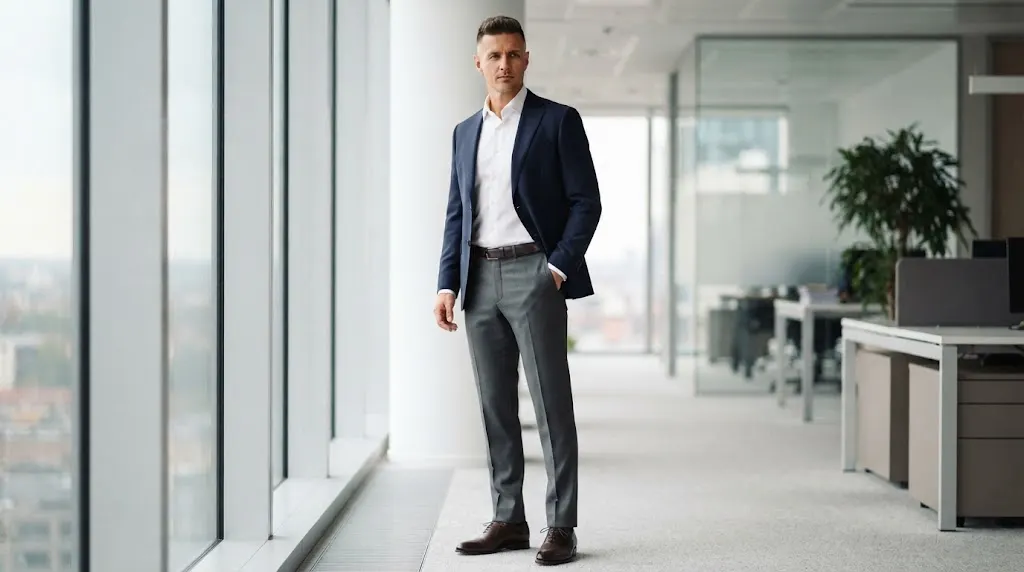
Formal trousers are made for the office, meetings, and dressier occasions. They usually come in solid, neutral colors like black, navy, or charcoal grey.
The fit is clean and tailored, often made from wool or a polyester blend. Paired with a shirt and blazer, they give you a sharp, professional look in minutes.
2. Casual Trousers
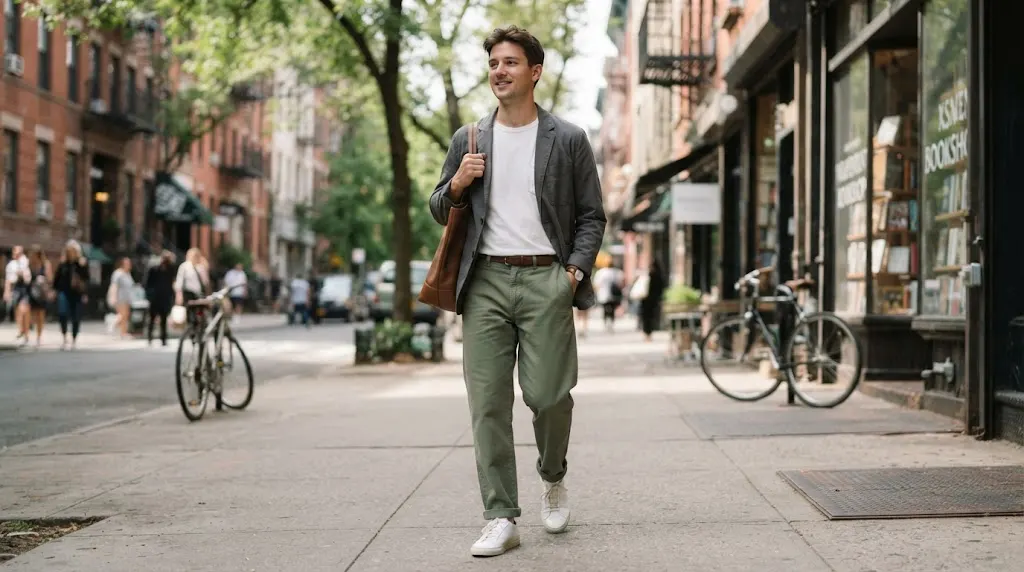
Casual trousers are built around comfort. They’re the go-to for errands, weekend plans, or a relaxed day out.
They tend to have a looser fit and softer, breathable fabric. Since they come in so many colors and cuts, they’re easy to pair with a simple top and sneakers.
3. Cargo Trousers
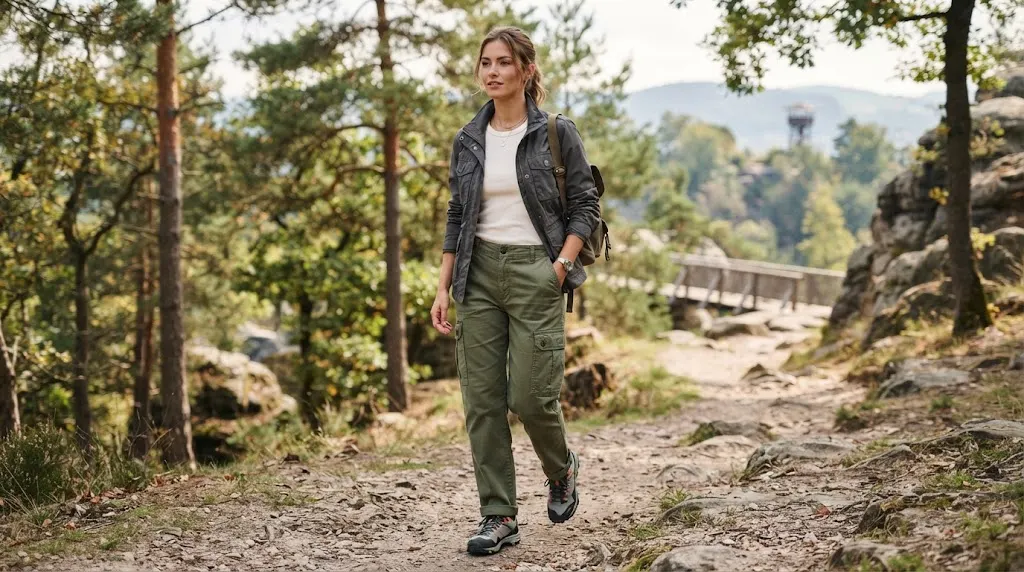
Cargo trousers are the practical choice. The extra side pockets are great for a phone, keys, or small tools — no bag required.
They usually have a relaxed fit and a sturdy fabric that can handle wear and tear. Outdoor enthusiasts and anyone who values function over fashion tend to reach for these first.
4. Chinos
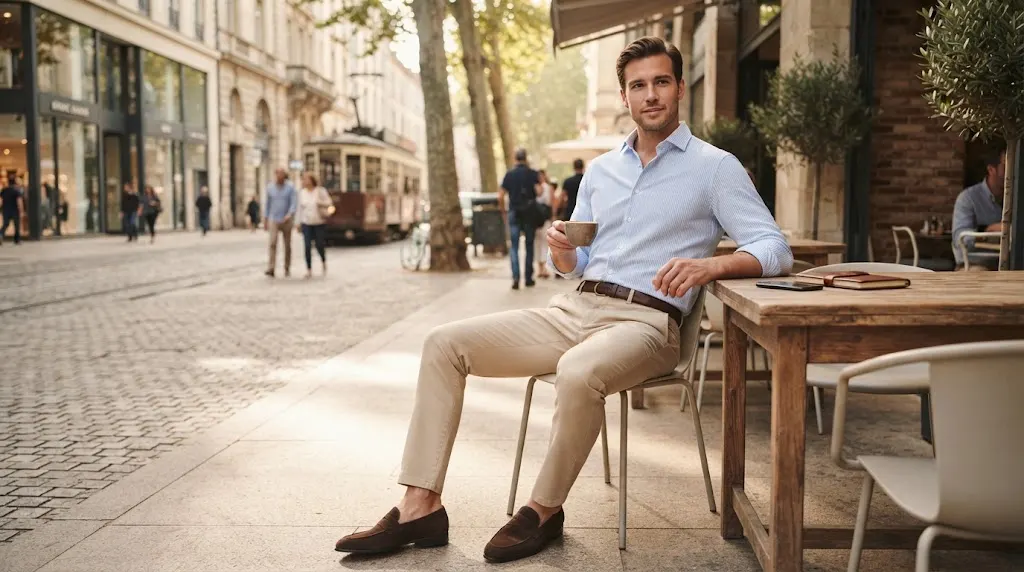
Chinos are lightweight cotton trousers with a clean, simple look. They sit right in the middle of the formal-casual spectrum — dress them up with a button-down or dress them down with a plain tee.
Common colors include beige, olive, and navy. If you want a smart look without the stiffness of full formal wear, chinos are usually the answer.
5. Wide-Leg Trousers
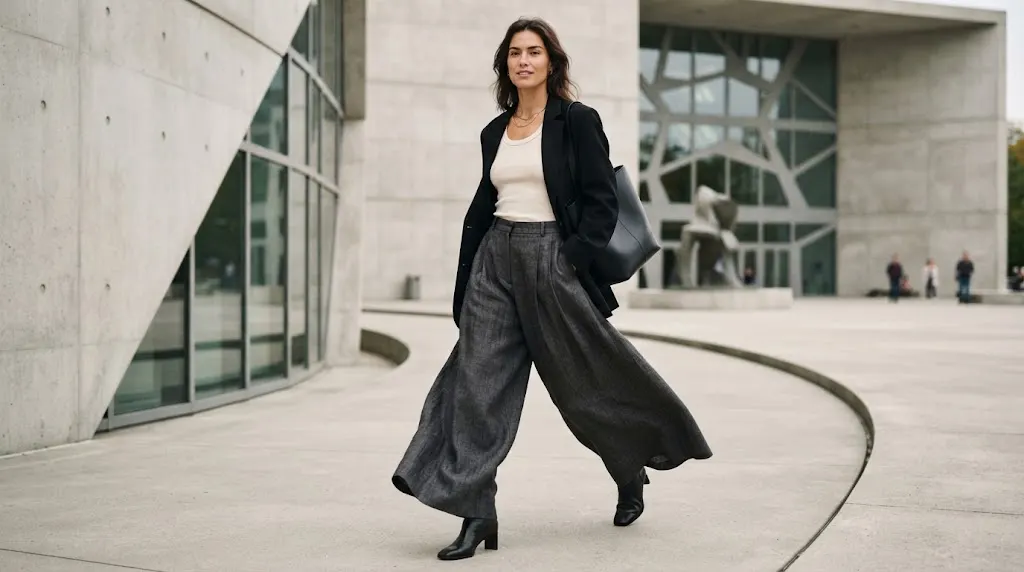
Wide-leg trousers have a loose, flowing fit from the waist down to the ankle. They’ve become a major trend in recent years, and for good reason — they’re comfortable and make a statement at the same time.
Depending on the fabric, they can work for a casual outfit or a semi-formal one.
Quick tip: If you’re building a trouser collection from scratch, start with one pair of chinos and one pair of formal trousers. Together, they cover most situations you’ll run into — work, casual outings, and everything in between.
Common Fabrics Used for Trousers
The fabric decides almost everything: how the trousers feel, how long they last, and how they look. Pick the wrong fabric for the wrong season, and you’ll be uncomfortable all day.
Cotton Soft, breathable, and low-maintenance. Cotton works well in both warm and mild weather, which is why most casual and everyday trousers use it. It doesn’t irritate the skin, washes easily, and holds its shape over time.
Linen Light and cool — perfect for hot weather. Linen absorbs moisture quickly and has a naturally textured feel. It wrinkles easily, but many people like that relaxed, lived-in look. Best for warm climates and outdoor settings.
Wool Warm, durable, and naturally resistant to creasing. Wool is a go-to for formal and office wear because it holds its shape after long hours and handles cold weather well. A quality pair can last for years with the right care.
Polyester Blends Often mixed with other materials to add strength and cut down on wrinkles. Polyester-blend trousers are easy to maintain, affordable, and widely available — a solid, low-fuss option for regular wear.
Denim Tough and long-lasting, denim is best known for jeans but also shows up in casual trouser styles. It softens with wear and holds up well under heavy use. Better suited to relaxed settings than formal ones.
The rule of thumb: match the fabric to the season and the occasion. Get that right, and your trousers will always look and feel their best.
When Do People Wear Trousers?
Trousers fit into nearly every part of daily life. Here’s where they show up most:
- A formal meeting or office where you need a sharp, professional look
- Errands, casual outings, or lazy weekends where comfort comes first
- Travel and outdoor activities that call for something sturdy and easy to move in
- Weddings, dinners, and formal events where the occasion demands a polished outfit
That kind of versatility is rare in clothing, and it’s exactly why trousers have stuck around as a wardrobe staple for so long.
How to Style Trousers
Styling trousers well comes down to three things: fit, fabric, and occasion. A few smart choices go a long way.
- Pair formal trousers with a crisp shirt and leather shoes for a clean, professional look.
- Match chinos with a plain t-shirt and sneakers for a smart-casual everyday outfit.
- Wear wide-leg trousers with a fitted top to balance the extra volume.
- Team cargo trousers with a simple jacket for a functional, outdoorsy look.
- Try linen trousers with a light shirt or tank top in warm weather for an easy, breathable outfit.
The key is balance. Loose, relaxed trousers pair best with a fitted top. Slim, structured trousers give you more freedom up top.
Color matters too. Neutrals — black, beige, navy, grey — are the easiest to work with, since they go with almost anything. Once you’ve nailed the neutrals, you can start experimenting with bolder colors and patterns.
Trousers vs. Pants: What’s the Difference?
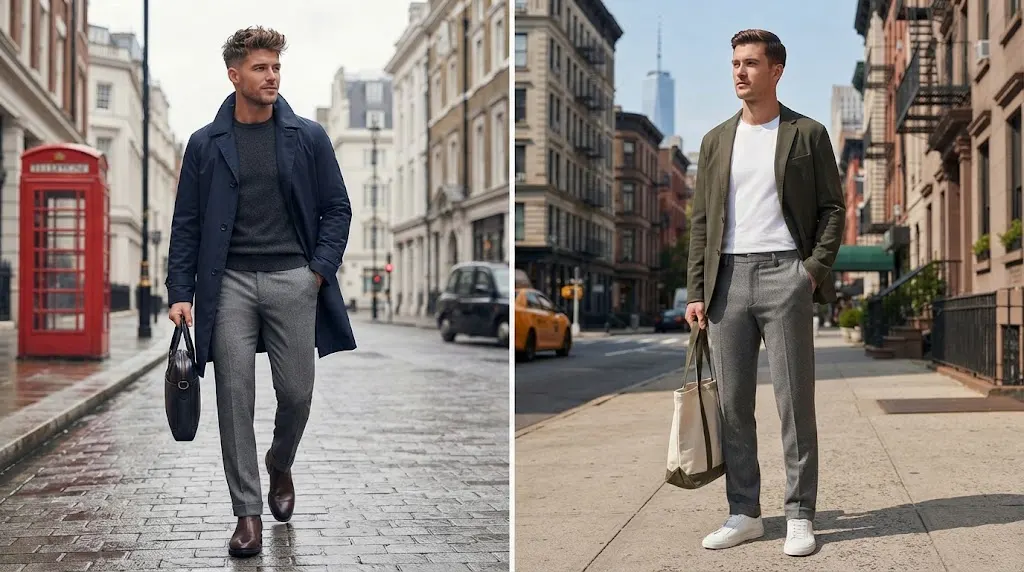
You say pants. Someone else says trousers. Neither of you is wrong — it just depends on where you’re from.
| Factor | Trousers | Pants |
|---|---|---|
| Language used | British English | American English |
| Common in | UK, India, Australia | USA, Canada |
| Refers to | Long lower-body garment | Same garment |
| Informal use | Covers formal and casual styles | Covers all trouser styles |
| Undergarment meaning | Never means underwear | Can mean underwear in British English |
At the end of the day, when an American says “pants” and a Brit says “trousers,” they’re almost always talking about the same thing. It’s just a matter of where you grew up.
Final Thoughts
So, what are trousers? Turns out it’s not such a simple question after all.
They’re a garment built with real purpose, from the waistband down to the hem. They come in styles for every occasion — formal, casual, cargo, chinos, and wide-leg. They’re made from fabrics suited to every season. And however you style them, there’s almost always a pair that fits the moment.
Whether you call them trousers or pants, one thing’s for sure: they’ve earned their permanent spot in your wardrobe.
Frequently Asked Questions
What are trousers with a skirt attached called?
These are usually called skorts. They look like a skirt on the outside but have shorts or trousers underneath for coverage and comfort.
Are trousers and jeans the same thing?
No. Trousers are a broad category of lower-body garments made from many fabrics. Jeans are one specific type, made from denim.
What’s the difference between trousers and hose?
Trousers are outer clothing that covers the legs from waist to ankle. Hose refers to tight-fitting legwear — like stockings or tights — usually worn under other clothing.
For more style guides, fashion breakdowns, and lifestyle reads, keep exploring faminaz.com.