
By 2 p.m., your forehead is gleaming, your makeup has migrated halfway down your face, and blotting papers have become a personality trait. If that sounds familiar, you have oily skin — and you’ve probably heard everything from “just wash your face more” to “oily skin doesn’t need moisturizer.” Both are wrong, and both quietly make things worse.
Here’s the truth: oily skin isn’t a flaw to punish. It’s skin producing extra sebum — often for reasons you can actually influence. Good oily skin care doesn’t strip your face into submission; it balances oil production, keeps pores clear, and leaves you shine-free without that tight, squeaky feeling. This guide gives you complete morning and night routines, the ingredients with real evidence behind them, and the mistakes secretly making your skin oilier.
Why Your Skin Gets Oily in the First Place
Sebum — your skin’s natural oil — isn’t the enemy. It waterproofs skin and keeps it supple. Oily skin simply makes more of it than it needs, usually because of:
- Genetics. The biggest factor. Larger pores and higher sebum output run in families — if your parents dealt with shine, you likely will too.
- Hormones. Androgens ramp up oil production, which is why skin gets oilier during puberty, menstrual cycles, pregnancy, and stressful periods.
- Over-stripping rebound. The sneaky one. Harsh cleansers and alcohol-heavy toners strip every trace of oil, and your skin panics — producing more sebum to compensate. If your face feels tight after washing but greasy two hours later, you’re trapped in this cycle.
- Climate. Heat and humidity increase sebum flow. Many people are oily in summer and nearly normal in winter.
- Skipped moisturizer. Dehydrated skin overproduces oil to protect itself. Skipping moisturizer can literally make you oilier.
Once you see oil as a balance problem rather than a dirt problem, the whole strategy changes: gentle, consistent care beats aggressive stripping every single time.
Your Morning Oily Skin Care Routine, Step by Step
Morning is about oil control that lasts, plus protection. Five steps, about four minutes. Cleanse first: a gentle foaming or gel cleanser removes overnight oil without stripping — look for a pH around 5.5 and skip harsh sulfate-heavy formulas that leave skin squeaky. Sixty seconds, lukewarm water.
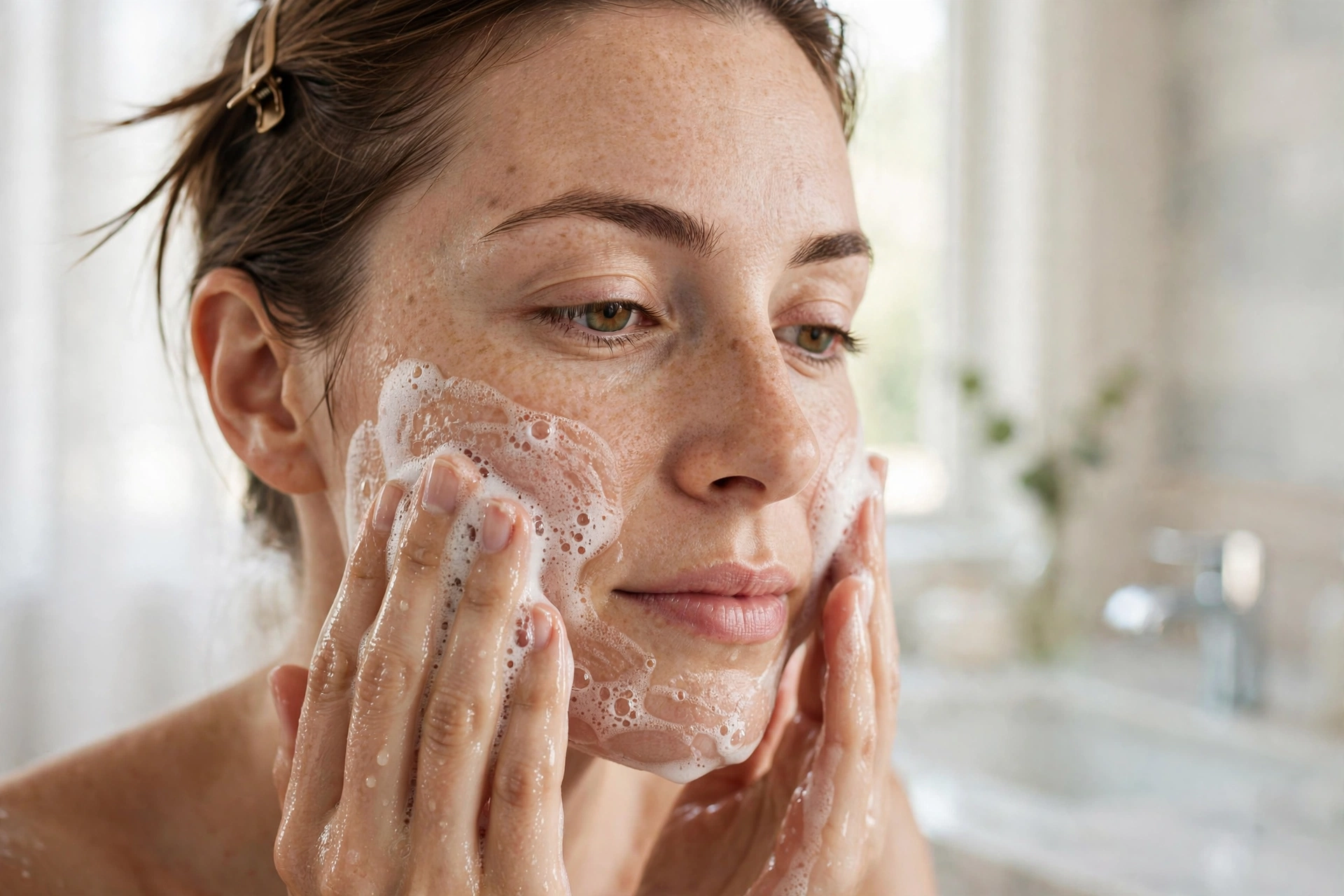
Next, an alcohol-free toner with niacinamide or green tea rebalances pH and adds a whisper of hydration — pat it in with your palms, no cotton pads needed. Then comes the star step: a 5–10% niacinamide serum, which visibly regulates sebum over a few weeks and refines the look of pores. Press a pea-sized amount into your T-zone and cheeks.
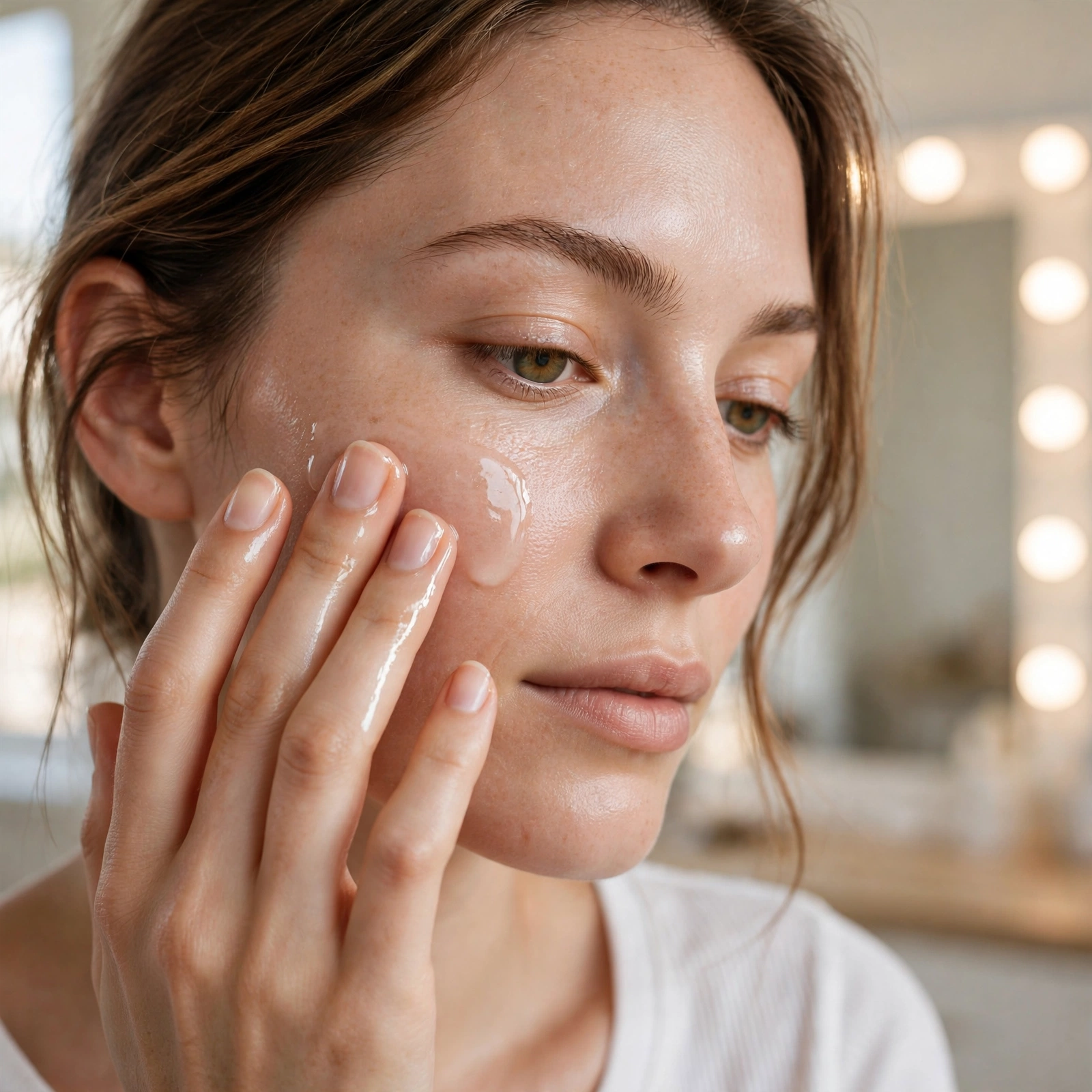
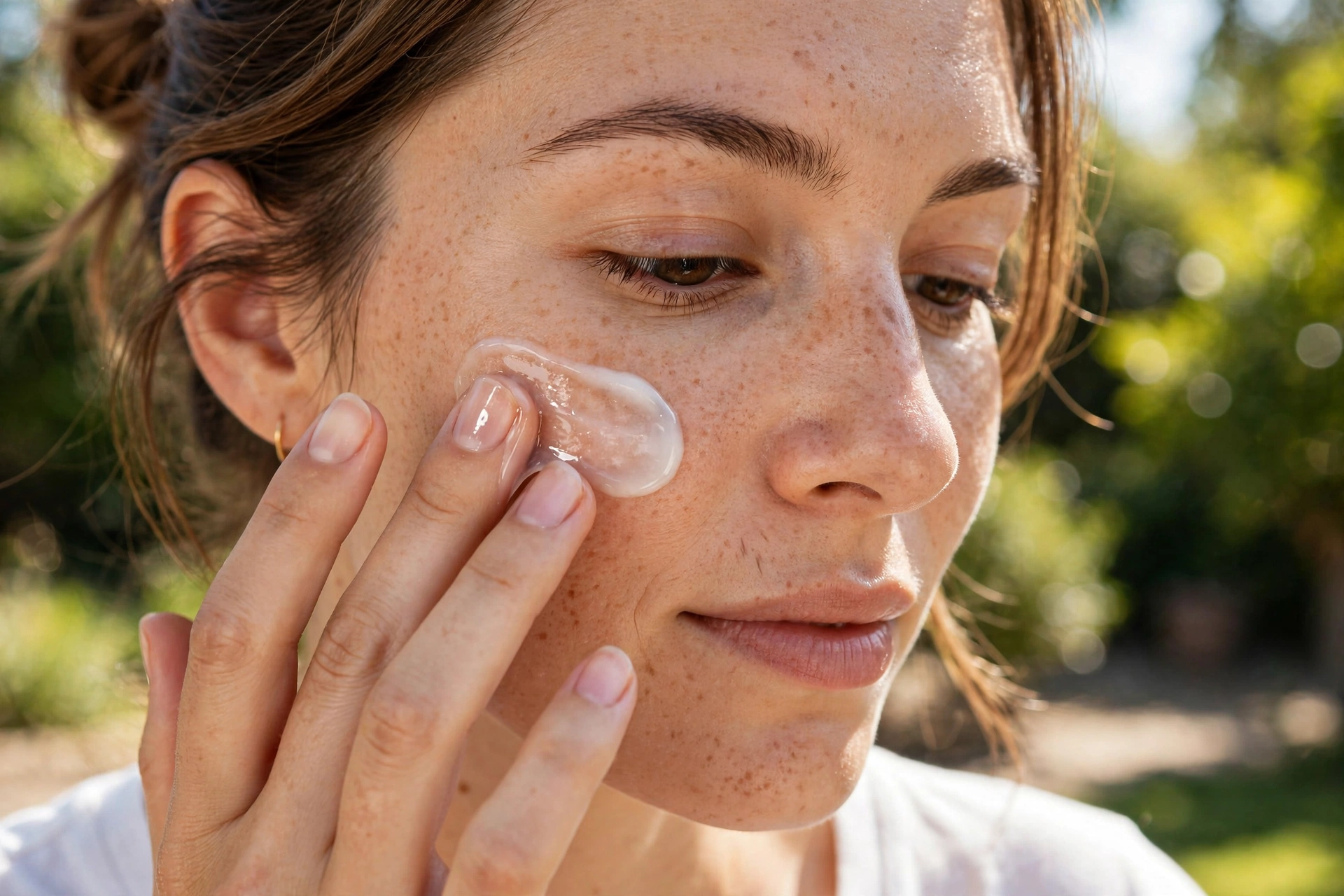
Yes, you still need moisturizer — just the right kind. An oil-free gel with hyaluronic acid hydrates without adding oil, and it breaks the dehydration-rebound cycle that makes afternoons so shiny.
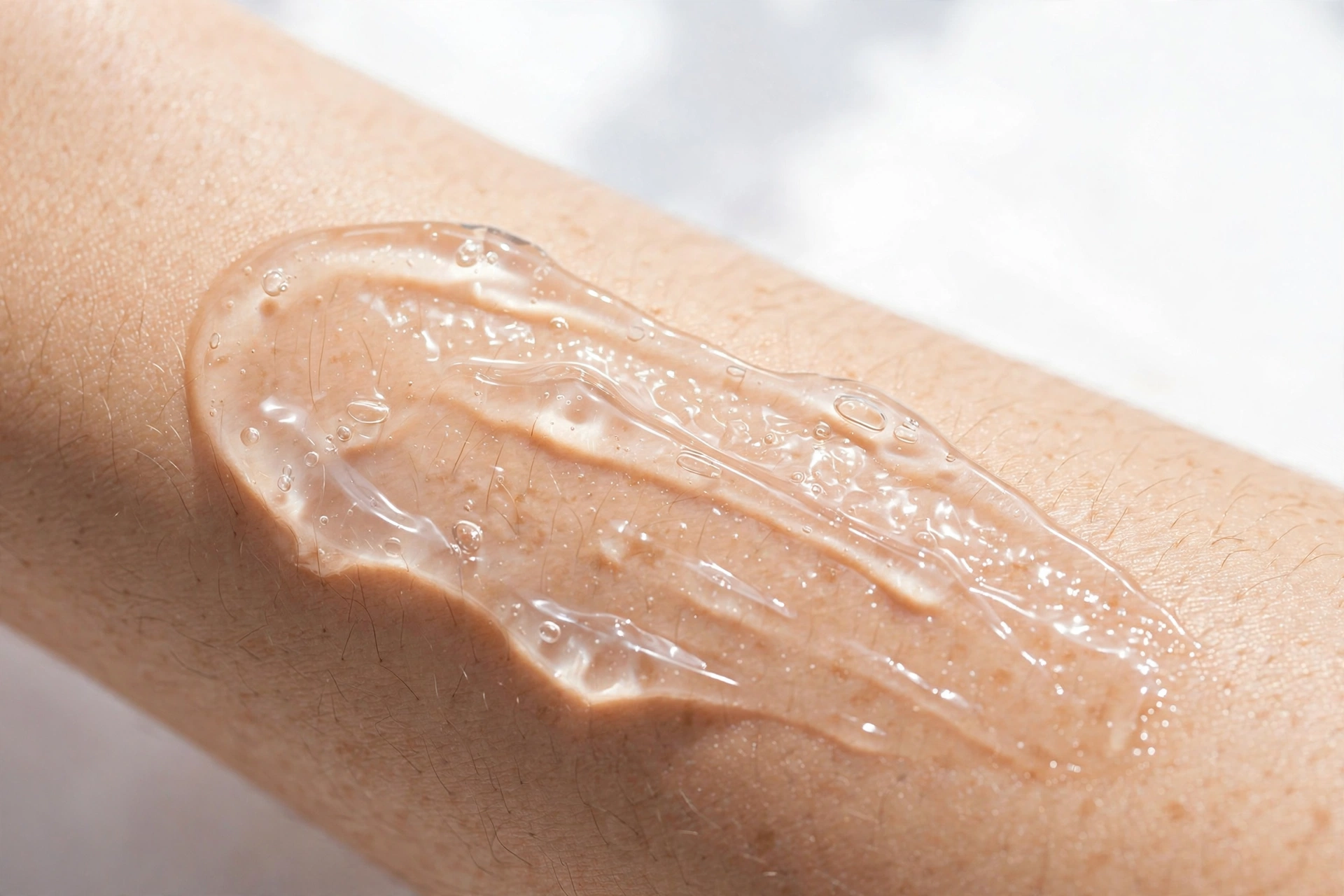
Finish with sunscreen — the step oily-skinned people skip most, and shouldn’t. Choose an oil-free, mattifying SPF 30+ gel or fluid, apply a nickel-sized amount last, and give it two minutes to set before makeup.
On product order, the same thin-to-thick logic applies here as everywhere else — our skincare layering order guide shows exactly where each texture belongs in your routine.
Your Nighttime Oily Skin Care Routine
Night is when you do the deeper work — clearing pores and treating, without worrying about shine.
- Double cleanse. An oil-based first cleanser (yes, oil — it dissolves sunscreen and sebum better than anything) followed by your gentle gel cleanser. This is the single biggest upgrade for congested oily skin.
- BHA exfoliant, 2–3 nights a week. Salicylic acid is oil-soluble, so it gets inside pores and dissolves the buildup water-based exfoliants can’t reach. Start twice weekly; daily use is overkill for most people.
- Treatment serum. Niacinamide again, or introduce retinol (pea-sized, two nights a week to start) for oil regulation and smoother texture. Don’t layer retinol and BHA on the same night.
- Light moisturizer. The same oil-free gel as morning, or a slightly richer lotion in winter. Your skin repairs itself overnight — give it light, breathable support.
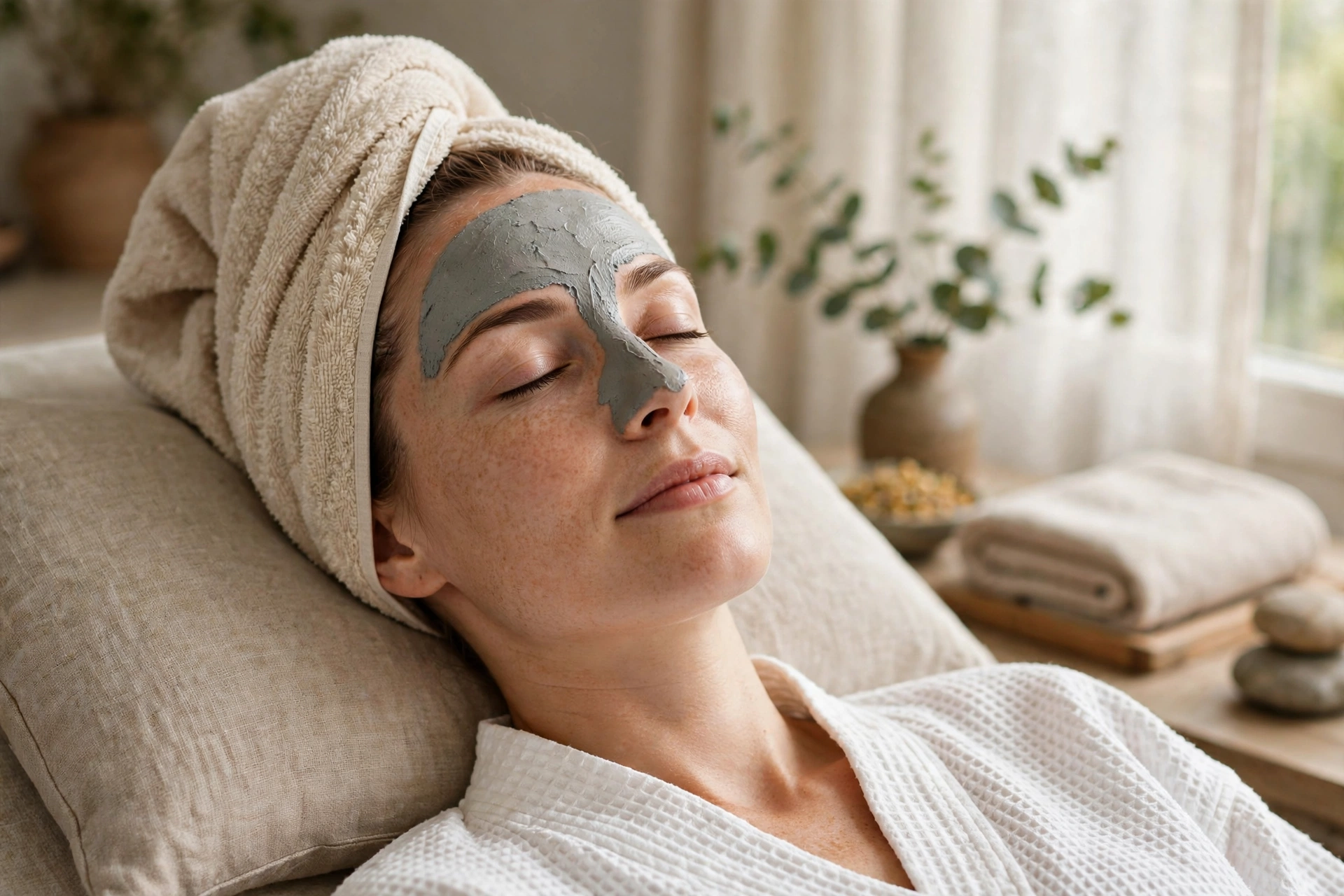
Once or twice a week, swap your serum step for a clay mask: ten minutes on the T-zone draws out excess oil and visibly tightens pores. Don’t let it dry to the point of cracking — mist it or remove it while still slightly damp.
Night routines follow the same layering logic as mornings — thinnest first, richest last — as our skincare layering order guide explains in detail.
Adjusting Your Oily Skin Routine by Season
Oily skin isn’t static — most people produce noticeably more sebum in summer and less in winter, so a rigid year-round routine either under-treats or over-strips.
Summer is peak oil season. Keep the gel cleanser twice daily, consider bumping BHA up to three times a week, and keep blotting papers in your bag. Clay masks twice weekly earn their keep now. If your sunscreen feels heavy in the heat, switch to a mattifying fluid formula — the best sunscreen is the one you’ll actually reapply.
Winter brings a plot twist: cold air and indoor heating dehydrate even oily skin, and that dehydration triggers — you guessed it — more oil. Scale BHA back to once or twice weekly, swap the gel moisturizer for a lightweight lotion on dry days, and don’t be surprised if your T-zone calms down while your cheeks flake. That’s normal combination behavior: treat zones differently instead of forcing one routine on your whole face.
The rule of thumb: change one product at a time when seasons shift, and give each change two weeks before judging it.
Ingredients That Actually Work for Oily Skin
- Niacinamide (vitamin B3). The MVP: regulates sebum, refines pores, calms redness. Effective at 4–10% and tolerated by almost everyone.
- Salicylic acid (BHA). An oil-soluble exfoliant that clears inside pores. Best as a leave-on 2% treatment, two to three times weekly.
- Clay (kaolin, bentonite). Absorbs excess oil in masks. Use once or twice weekly on oily zones — never let it fully harden and crack on your face.
- Zinc. Found in mineral sunscreens and some serums; mildly oil-absorbing and calming. Zinc PCA in particular helps regulate shine.
- Green tea. An antioxidant with modest sebum-reducing evidence — a nice supporting player in toners and lightweight serums.
What about vitamin C? It’s fine for oily skin in a lightweight, water-based serum — it won’t increase oiliness. Just avoid heavy oil-suspension formulas.
Habits and Products to Avoid
- Overwashing. More than twice a day strips your barrier and triggers rebound oiliness. Morning and night is enough.
- Harsh sulfate cleansers. That squeaky-clean feeling means your barrier is compromised. Switch to a gentle gel cleanser.
- Alcohol-heavy toners. They degrease dramatically for an hour, then oil production surges. Choose alcohol-free formulas.
- Skipping moisturizer. The most common self-sabotage in oily skin care. Dehydrated skin compensates with more oil — a light gel moisturizer is non-negotiable.
- Heavy, comedogenic oils and balms. Thick butters and coconut oil clog oily pores. If you like facial oils, stick to a drop of light squalane — a drop, not a dropper.
- Picking and over-exfoliating. Squeezing pores damages them; scrubbing daily inflames skin. Both make oiliness and breakouts worse, not better.
Makeup Tips That Survive Oily Skin
Oily skin eats makeup — unless you prep for it:
- Mattifying primer on the T-zone. A silicone-based primer fills pores and grips foundation. Apply only where you get shiny, not all over.
- Thin, oil-free base. Sheer layers last longer than thick ones on oily skin. Set the T-zone with a light dusting of translucent powder.
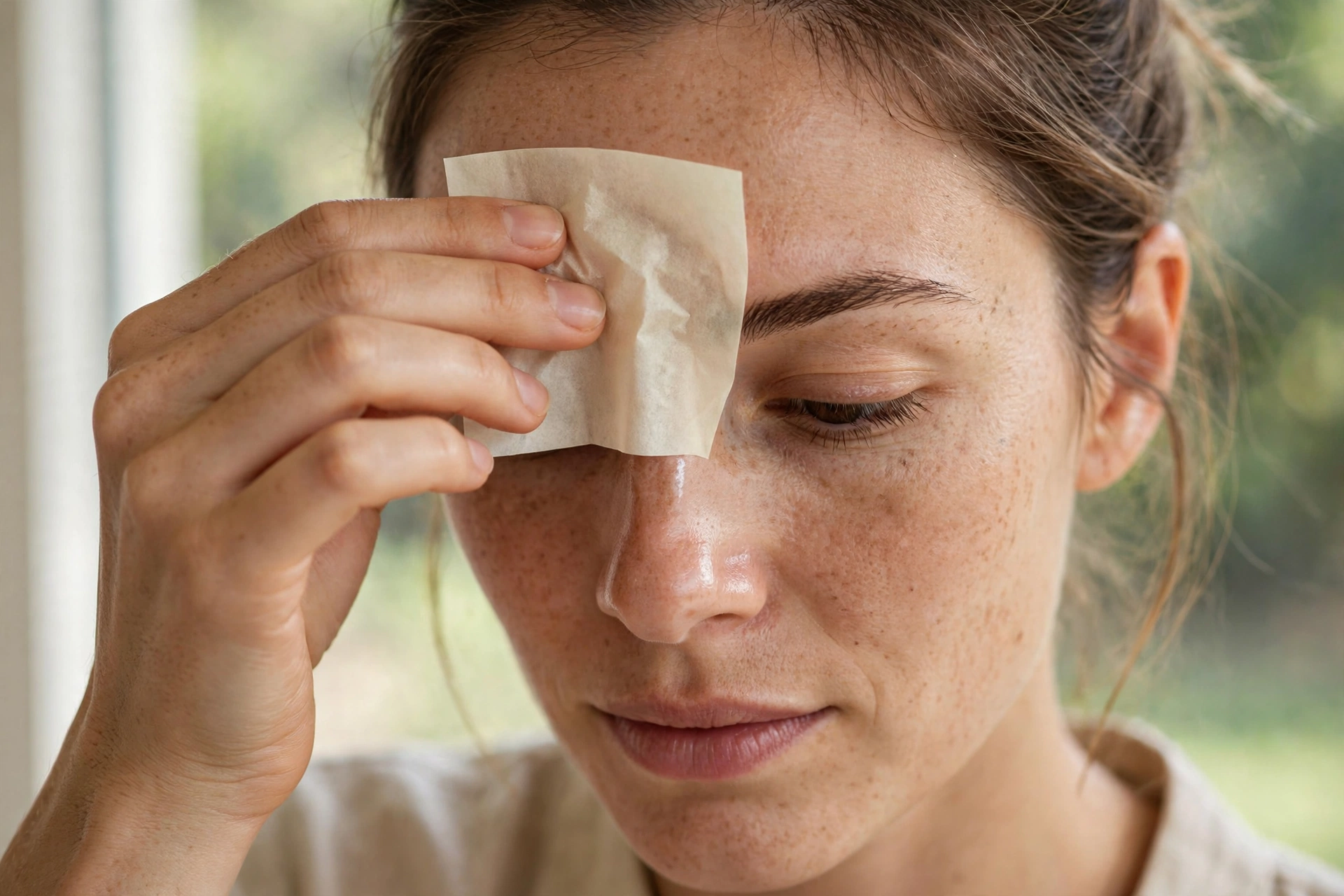
- Blot, don’t pile on powder. Midday, press blotting papers onto shiny areas first — then decide if you even need powder. Layering powder over oil is how makeup turns cakey.
- Setting spray is load-bearing. Two spritzes in an X motion across your face locks everything down for hours.
- Waterproof eye makeup. Oily lids smudge liner and mascara by noon. A tubing mascara and waterproof liner solve it completely.
Oily Skin Care FAQs
Should I moisturize if my skin is already oily?
Yes — this is the biggest myth in oily skin care. Skipping moisturizer dehydrates your skin, which responds by producing even more oil. The fix isn’t no moisturizer; it’s the right one: an oil-free gel or lightweight lotion.
How many times a day should I wash oily skin?
Twice — morning and night. Washing more strips your barrier and triggers rebound oiliness. If you’re shiny midday, blot with papers instead of washing again.
Does diet affect oily skin?
Honestly: less than the internet claims. High-glycemic diets and dairy worsen acne for some people, which can make oily skin look worse — but no food directly controls sebum output. Don’t overhaul your diet for oiliness alone; fix your routine first.
Can oily skin become dry over time?
Yes. Sebum production naturally decreases with age, and harsh routines accelerate the shift. Many people who were very oily at twenty have combination skin by thirty-five. Reassess your routine yearly instead of fighting the skin you had a decade ago.
What’s the fastest way to reduce shine during the day?
Blotting papers — ten seconds, no product buildup. Niacinamide and retinoids reduce oil over weeks, but for instant matte, nothing beats a blotting sheet pressed (not rubbed) onto the T-zone.
Is powder or blotting paper better for touch-ups?
Blotting paper first, always. It removes oil without adding product. Powder applied over unblotted oil cakes and emphasizes pores. Blot, then powder only if you still need it.
Can I use facial oils if I have oily skin?
Counterintuitively, yes — but choose wisely and use sparingly. Heavy oils like coconut oil clog oily pores, but a single drop of squalane pressed onto dry patches can calm overproduction by signaling to your skin that it doesn’t need to compensate. Treat it as a targeted fix for dry areas, not an all-over step. If your skin gets shinier within a week, drop it — oils are optional, not essential, for oily skin.
The bottom line: oily skin responds to balance, not battle. Cleanse gently, treat with niacinamide and BHA, moisturize lightly, protect with oil-free sunscreen — and stop the habits (overwashing, skipping moisturizer, harsh toners) that push your skin to produce more oil than it needs. Give the routine six to eight weeks, and the 2 p.m. shine becomes a memory.